The Power of Siberia 2 pipeline, a flagship project meant to deepen energy ties between Russia and China, has reached an impasse so severe that Beijing has instructed Moscow to cease discussions. Neither side has formally abandoned the deal, but no timeline for construction or a final agreement exists.
The pipeline, approved in principle by both governments last September, would transport up to 50 billion cubic meters of natural gas annually from Russia's Yamal fields through Mongolia to China. Yet the core dispute centers on pricing: China insists on paying $50 per thousand cubic meters—the heavily subsidized rate for Russian households—while Russia demands around $250 per thousand cubic meters, a figure closer to commercial export norms.
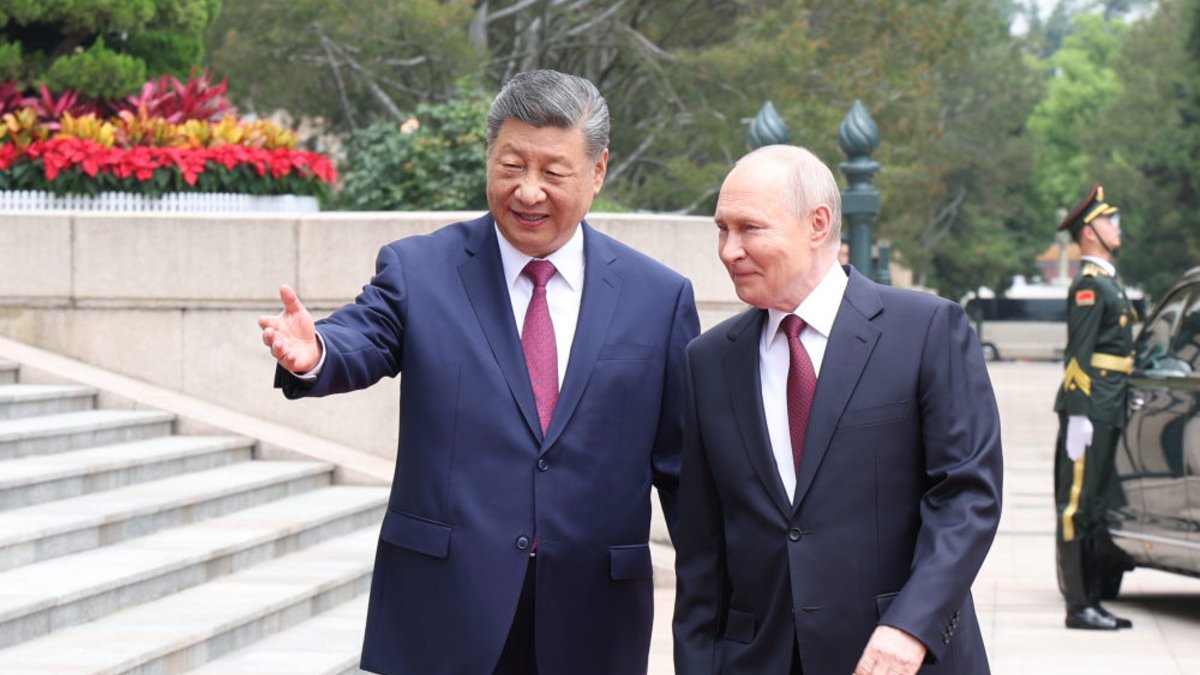
According to the Wall Street Journal, Chinese officials made clear before Russian President Vladimir Putin's visit to Beijing in May that an agreement was impossible under current terms, asking the Russian delegation not to press the issue. The Kremlin maintains that talks continue at the corporate level, but the gap remains vast.
For context, China already imports Russian gas via the Power of Siberia 1 pipeline at $240 to $280 per thousand cubic meters, and Central Asian gas at about $200 per thousand cubic meters. Before the war in Ukraine, Russia sold gas to Europe and Turkey at $275 to $340 per thousand cubic meters. Beijing's opening bid of $50 thus represents a dramatic departure from market rates.
Shifting Leverage in the Energy Relationship
Chinese commentators argue that Russia's weakened position—due to the war in Ukraine, EU plans to phase out Russian LNG by 2026, and a full ban on pipeline gas from October 2027—has handed Beijing the upper hand. A Hebei-based columnist writing under the pen name Riyue Xhige notes: “In 2025, China paid an average of around $258 per thousand cubic meters for Russian pipeline gas, already well below what Europe once paid. Beijing's new demand pushes the discount much farther. Even Belarus has never been offered terms this close to Russia's domestic price.”
The columnist adds: “This is no longer ordinary commercial bargaining. It reflects a fundamental shift in who holds the power at the negotiating table.”
China's diversified energy sources underpin its bargaining strength. Domestic gas output reached 262 billion cubic meters in 2025, up 6.2% year-on-year. Four pipelines from Central Asia—Turkmenistan, Uzbekistan, Kazakhstan, and Tajikistan—have a combined annual capacity of over 85 billion cubic meters, with additional routes planned. LNG tankers from Qatar, Australia, and Malaysia arrive steadily at Chinese terminals. As a Jiangsu-based commentator using the pen name New Day Student puts it: “Russia is like a cat on a hot tin roof because of the war in Ukraine, while China has no shortage of gas sources. If Russia does not want to sell, we will simply keep buying from Central Asia, Australia and Qatar.”
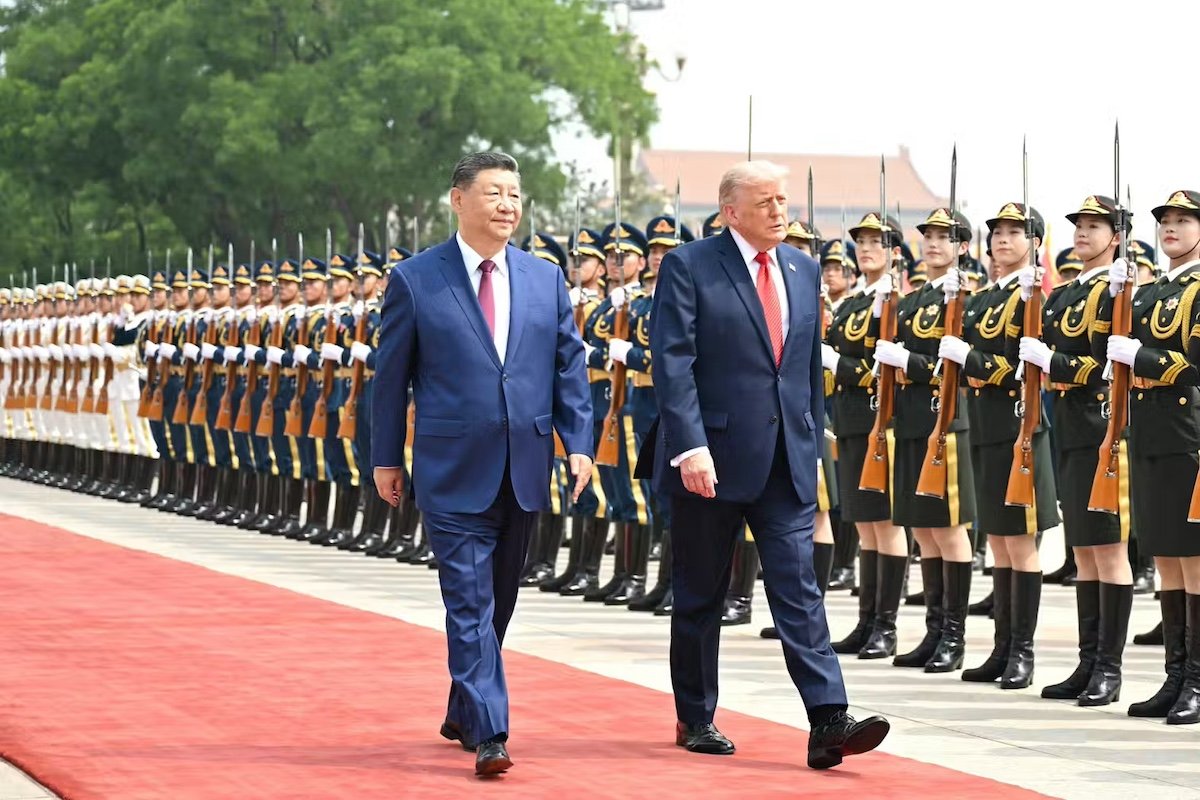
Beijing has also resumed purchasing American LNG, with the first cargo in a year arriving at a Chinese terminal last week, following President Xi Jinping's meeting with US President Donald Trump in mid-May. This move further reduces China's dependence on Russian gas.
The pipeline's route through Mongolia, long resisted by Beijing, was accepted last September only after Russia agreed to lower prices. China's concerns about energy security via Mongolia—which signed an open skies agreement with the United States and proposed a rare-earth partnership with Washington in August 2023—were only allayed by the price concession. The broader energy picture has since shifted further in Beijing's favor, with the US Treasury issuing a 60-day exemption in June allowing Iran to produce and sell oil in US dollars, helping China replenish reserves.
The deadlock exposes the limits of the so-called “no-limits” partnership between Xi Jinping and Putin. As one commentator notes, “Some of Russia's supporters may feel it is unfair that China asks Moscow to sell gas at its domestic price and pay all the infrastructure costs. But what does that have to do with us? Nobody is forcing Russia to sell. That is just how markets work.”
For related analysis on how Sino-Russian cooperation reshapes Indo-Pacific deterrence, see Arctic-Asia Link: How Sino-Russian Cooperation Reshapes Indo-Pacific Deterrence. The broader implications for energy security in the region are also explored in US Wartime Buildup Races Against China's Industrial Clock in Indo-Pacific.