On a damp March morning in 2025, President Donald Trump stood at the White House podium to announce what he called a "beautiful" investment: Hyundai, the South Korean industrial conglomerate, would pour nearly $6 billion into a new steel plant in Louisiana. The facility, executives said, would supply domestic metal to Hyundai's auto plants in Alabama and Georgia, a move Trump credited to his tariff policies.
Flanked by Hyundai Motor Group executive chairman Chung Eui-sun, Louisiana Governor Jeff Landry, and other officials, the president touted the jobs the project would bring to the Bayou State. But one critical detail was left unspoken: the plant may be the lowest-carbon iron and steel mill ever built in the United States.
Traditional steelmaking accounts for up to 9% of global greenhouse gas emissions, relying on coal-fired furnaces that have operated since the 19th century. Hyundai's facility, by contrast, plans to use hydrogen—a carbon-free fuel that can be produced from renewable electricity and water. Company executives have described the project as a "catalyst for the hydrogen ecosystem" in Louisiana, aligning with growing global demand for sustainably produced steel.
This development comes at a time when other US efforts to decarbonize steelmaking have faltered. Under the Biden administration, SSAB and Cleveland-Cliffs were each slated to receive $500 million in federal funding for hydrogen-based steel projects, but both later abandoned those plans amid economic headwinds and the Trump administration's hostility to climate policy.
Kelvin Wells Jr., an industrial organizer with the Sierra Club's Delta Chapter in Baton Rouge, called the green-hydrogen steel mill "a chance to change not just the industrial landscape of Louisiana, in terms of what types of industries are here, but also to advance the broader clean energy transition in the state."
Hydrogen Hopes vs. Natural Gas Reality
Whether Hyundai will fulfill its hydrogen ambitions remains uncertain. In permit filings, the company stated the steel mill will initially use natural gas when it begins operations in 2029, and Hyundai confirmed this plan to Canary Media. The firm also said it will capture and store the carbon dioxide emissions from the start, an approach that can reduce emissions by up to two-thirds compared to coal-based steelmaking—but still falls short of using green hydrogen.
When asked about a timeline for transitioning to hydrogen, a Hyundai representative said, "It is difficult to pinpoint when hydrogen will become economically viable." This ambiguity has raised concerns among climate advocates and local residents alike.
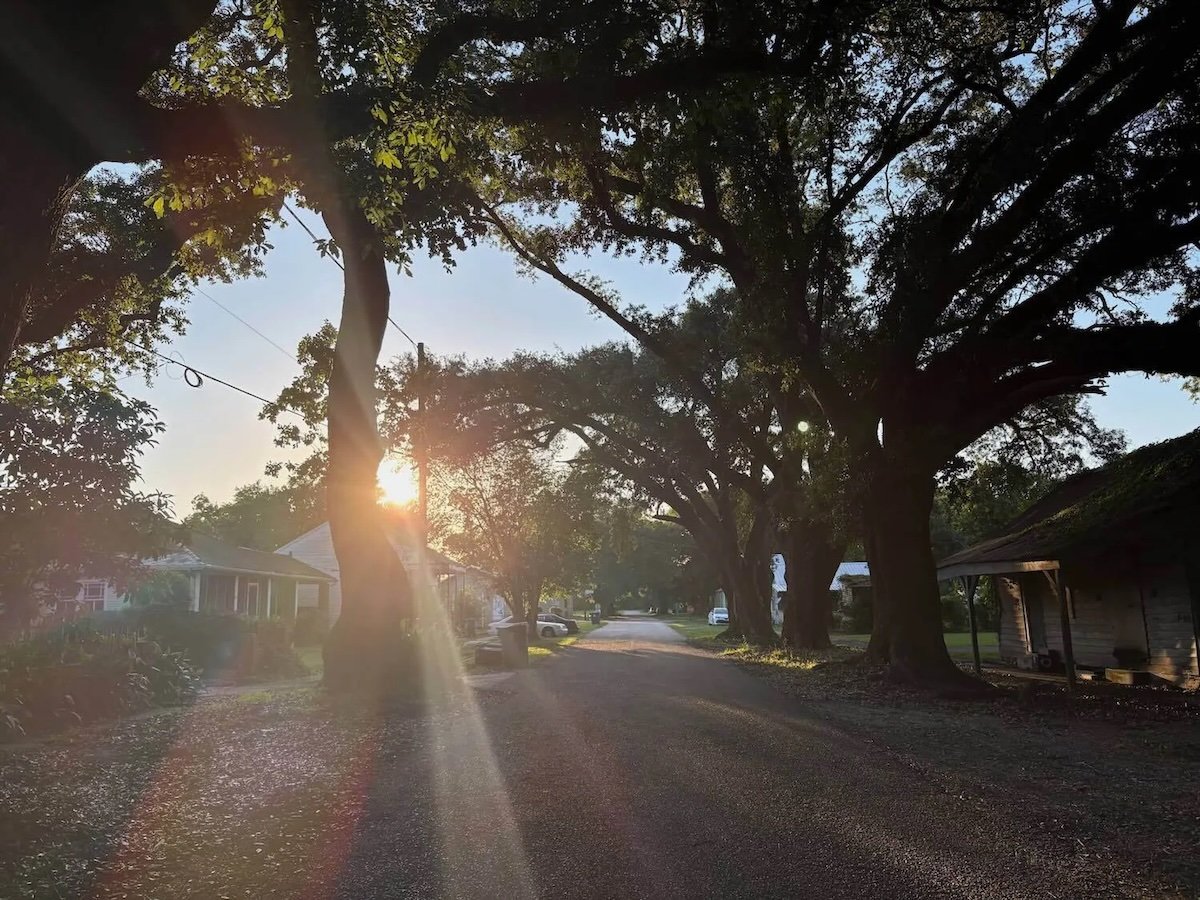
The plant is being built in Ascension Parish, a rural area between Baton Rouge and New Orleans that is already home to numerous petrochemical plants and oil refineries. The region, known as "Cancer Alley," has long suffered from industrial pollution. Locals hope the steel mill will offer a cleaner alternative, but they want concrete guarantees.
Glenn Price, who leads a neighborhood group in nearby Donaldsonville, a town of about 7,000 people, is skeptical. "I've seen this area change as manufacturers arrived to turn oil and gas into fuels and chemicals," Price said. He worries that Hyundai's project will not provide good jobs for residents, citing the company's record of worker-safety and labor issues at its US auto plants, and that it may not be any better for health than existing facilities.
Price has joined the grassroots coalition Good Neighbors Louisiana, which is pushing Hyundai to sign a legally binding "community benefits agreement" that would detail plans for pollution control, green hydrogen use, and worker protections. The group is also calling on the state to conduct an environmental justice analysis.
As Hyundai begins transforming a former sugarcane plantation into an industrial site, the community and climate advocates are watching closely. The outcome will test whether a major Asian industrial player can deliver on its green promises while addressing the deep-seated concerns of a vulnerable American community.