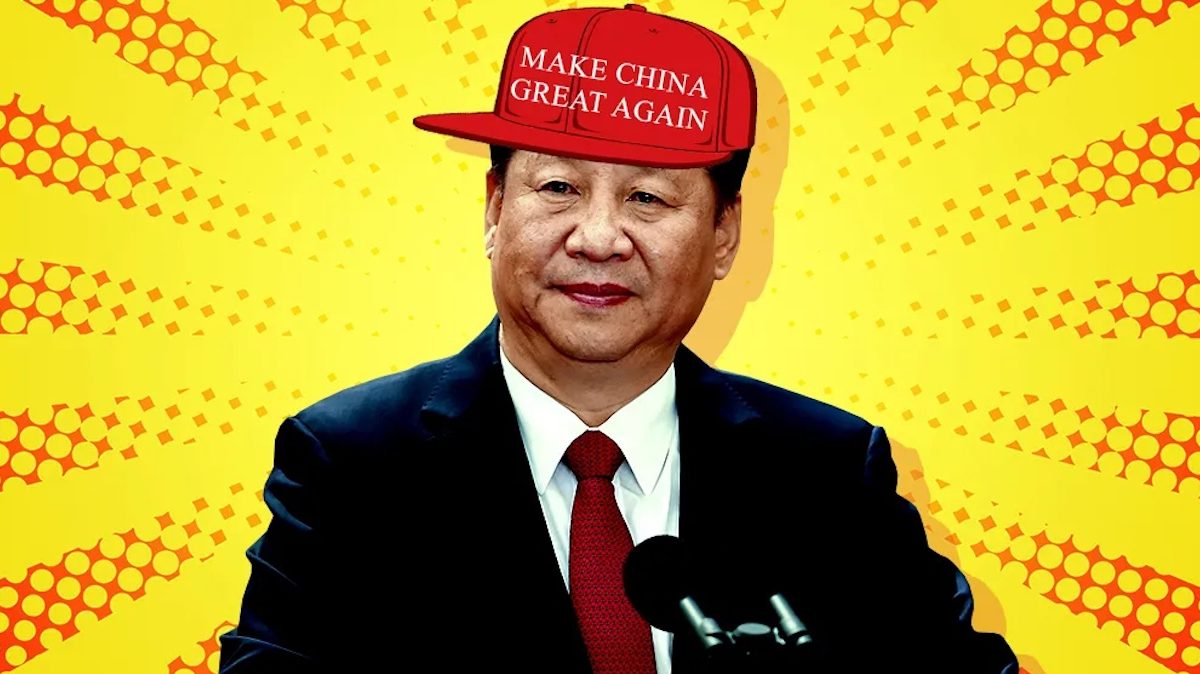
For years, management thinkers at Harvard Business Review argued that China could never out-innovate the United States. Articles with titles like “China Is Not About to Out-Innovate the US” (2010) and “Why China Can’t Innovate” (2014) framed innovation as a product of free markets, strong intellectual property laws, and liberal democracy. Two decades later, China’s dominance in electric vehicles, drones, 5G, high-storage batteries, and artificial intelligence has made those assumptions look deeply flawed.
The irony is striking: the country once dismissed as a copycat has become the world’s fastest innovator—not by imitating Silicon Valley, but by redefining how innovation works. Understanding this shift requires looking beyond Western management theory to the actual mechanics of China’s system.
The State as Ecosystem Builder, Not Regulator
Western management theory typically casts government as a market regulator that stifles creativity. In China, the state acts as an ecosystem builder and innovation enabler. Institutions like the Industrial and Commercial Bank of China (ICBC), the National Development and Reform Commission, and local innovation zones operate with mission-driven mandates that prioritize national technological self-sufficiency over quarterly profits. This difference is fundamental: in the United States, innovation is rewarded only when it satisfies capital markets; in China, it is supported when it aligns with national development strategy.
When Beijing backs batteries, AI chips, or green technology, it does more than provide funding. It purchases products, sets standards, and ensures workforce skills. Innovation is embedded in infrastructure and environment, not left to market forces alone. Critics have noted this duality—as HBR did in 2016 with “How China’s Government Helps — and Hinders — Innovation”—but they underestimated the asymmetry: the help far outweighs the hindrance. Bureaucracy may slow experimentation at the edges, but scale, coordination, and patience have enabled entire industries to leapfrog generations of technology.
This approach draws on a fundamentally different philosophy from the Reagan-era maxim that “government is the problem.” In China, government is the solution.
Manufacturing as Innovation’s Core
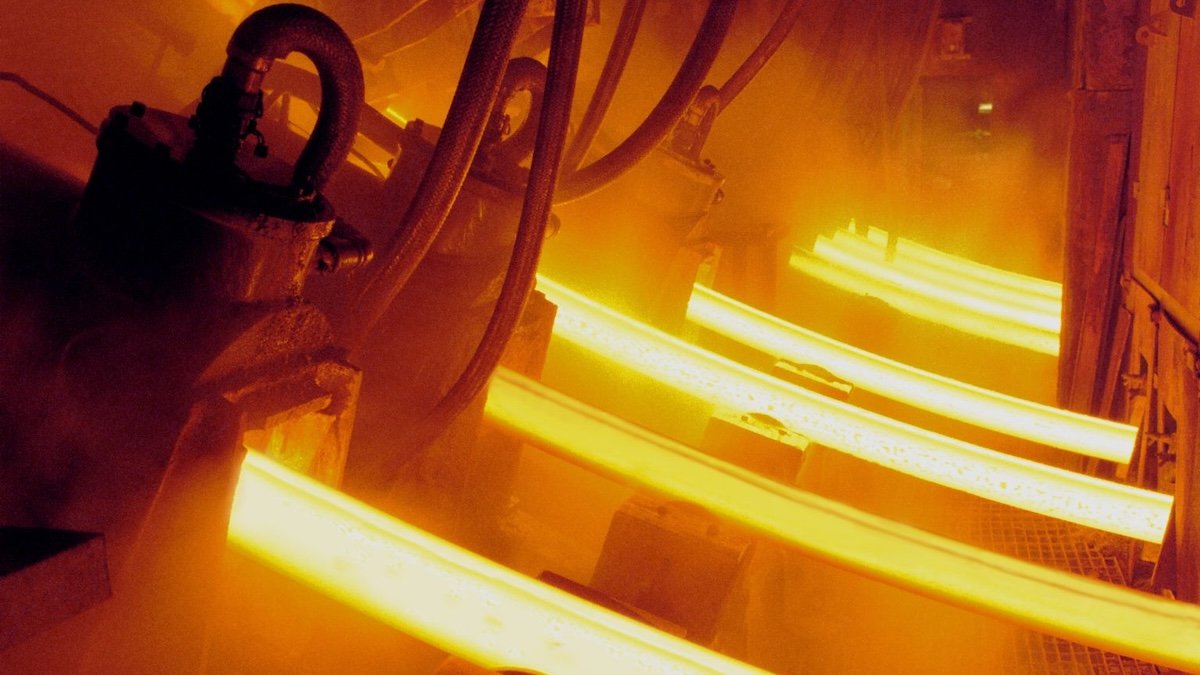
Americans have long equated innovation with invention—new patents, breakthrough science, disruptive ideas. China equates it with industrial execution. Even as HBR’s 2010 cohort lamented China’s lack of “original breakthroughs,” Chinese firms were transforming production into an innovation engine. Manufacturing is not mere copying; it is a learning laboratory. Every production line continuously improves design tolerances, energy efficiency, logistics, and cost efficiency. This is how BYD refined its blade battery, DJI improved drone stabilization, and CATL developed modular EV power systems—all through cycles of scaled iteration that Silicon Valley could barely prototype.
America’s neglect of manufacturing has separated design from delivery. US companies excel at generating ideas but struggle to turn them into consumable products. China’s control over the “means of making” creates a rich feedback loop where engineers, suppliers, and production managers collaborate and experiment constantly. That is how innovation speed builds on itself. The HBR essays that used Nobel Prizes or R&D ratios as metrics could never capture this process dimension. Learning by doing and learning by making are forms of industrial learning that do not appear on balance sheets but are critical in technological races.
This manufacturing-driven innovation has direct implications for regional dynamics. For instance, Indonesia's nickel nationalism stumbles as Chinese firms push back, highlighting how Beijing’s industrial strategy extends beyond its borders.
Knowledge as a Public Good
The US innovation culture prizes ownership; China’s prizes diffusion. The American system treats intellectual property as sacred and rewards inventors by restricting use. China’s system views knowledge as a public good to be shared, revised, and reassembled to enhance the existing stock of manufacturing know-how. This cultural difference explains speed: when ideas move freely across regions and supply chains, everyone can participate in innovation. Thousands of small businesses adopt, adapt, and improve new ideas without the legal hurdles and costs that slow collaboration in Western economies.
In 2010, HBR experts labeled the shanzhai (“mountain fortress”) culture as “copycat capitalism,” but it was actually China’s open-source bootcamp. Every copied site was a test; every disassembled smartphone was a school. The result is a national-level collective R&D system embedded within industrial clusters rather than in separate research labs. Within Chinese cultural values, replicating and improving upon an original work is regarded as a demonstration of artistry or skill, not intellectual theft. This practice advances existing knowledge and techniques, and it has accelerated China’s technological leap.
This open approach to knowledge also raises questions about governance, as seen in Asia's AI ambition outpaces execution: the governance gap, where rapid innovation strains regulatory frameworks.
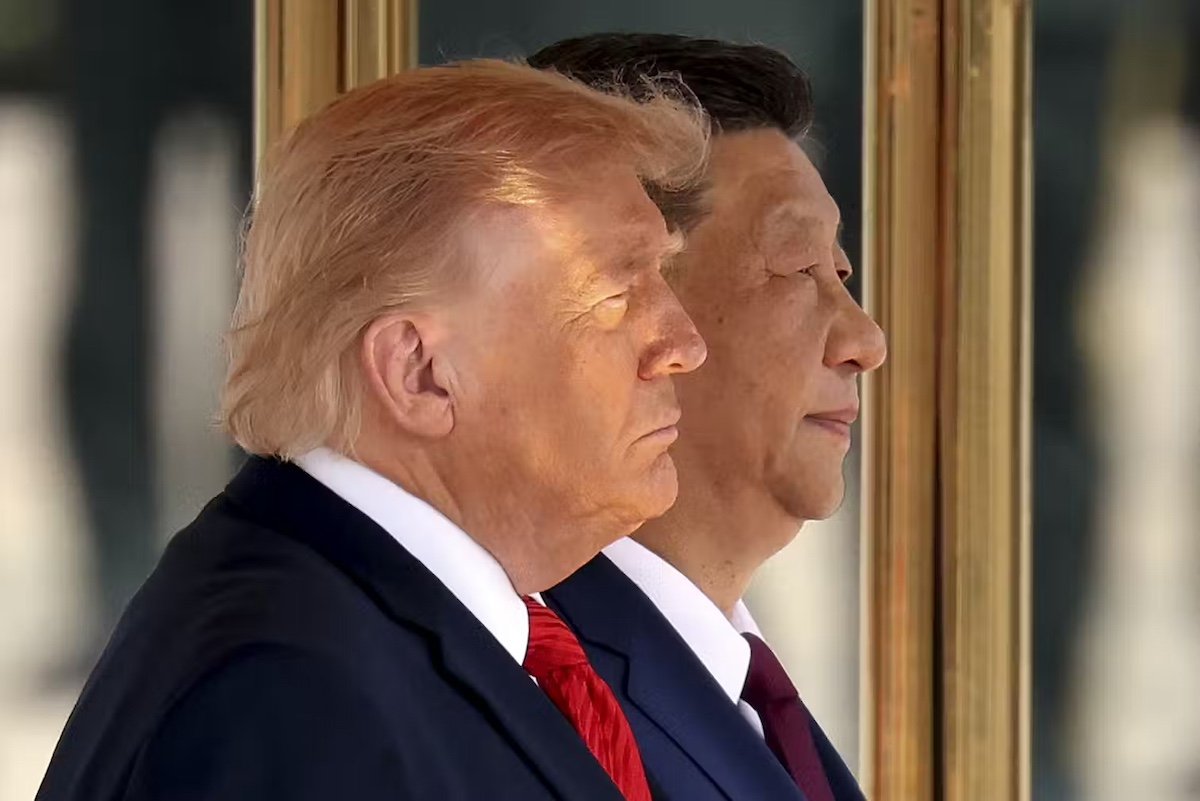
The West’s critics of Chinese innovation held erroneous opinions because they measured innovation by Western metrics. China’s state-led ecosystem, manufacturing-centric R&D, and knowledge-sharing culture have created a model that is not just different but, in key sectors, faster and more scalable. The question is no longer whether China can innovate, but whether the United States can adapt to a world where innovation is no longer its exclusive domain.