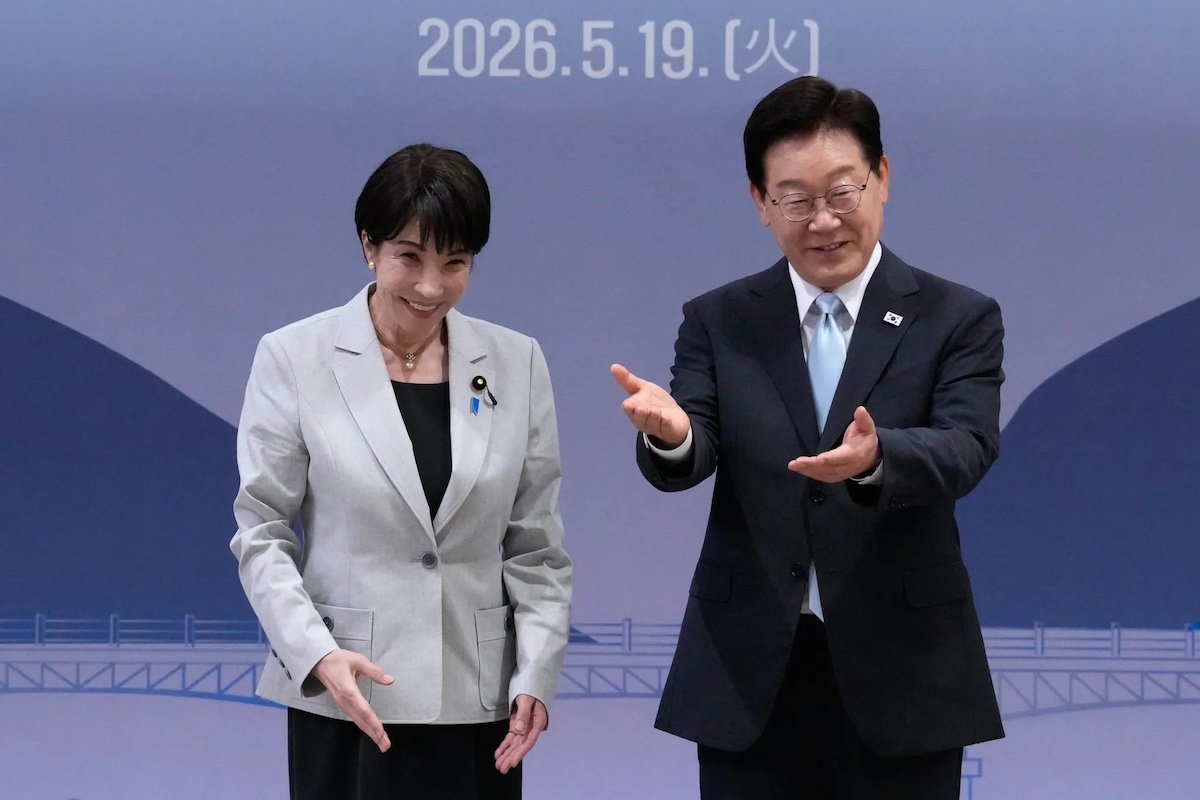
Japan and South Korea are enjoying their most cordial relations in years. After a decade marked by diplomatic spats, trade disputes, and mutual recrimination, the two governments have resumed regular summit exchanges and signed a trilateral security pact with the United States at Camp David in 2023. Under Prime Minister Takaichi Sanae and President Lee Jae-myung, the so-called “shuttle diplomacy” has been revived, and both leaders have exchanged warm words about deepening cooperation.
Yet this is not the first time the neighbors have appeared to turn a corner. Since diplomatic normalization in 1965, the relationship has oscillated between cooperation and crisis, largely because of unresolved disputes over Japan’s colonial rule of Korea from 1910 to 1945. In the late 1990s, the Kim Dae-jung and Obuchi Keizo governments issued a joint declaration that seemed to herald a new era, and the two countries co-hosted the 2002 FIFA World Cup. But the goodwill faded, and by the late 2010s relations had sunk to their lowest point since normalization.
The question now is whether the current rapprochement is built to last. International relations scholars are divided on what drives state behavior. Some focus on structural factors—the distribution of power, alliances, and regime type—that push states toward rational strategic choices. Others emphasize socially constructed elements, particularly national identity and historical memory, which can override strategic calculations.
In the case of Japan and South Korea, the identity-based perspective has often been more persuasive. Despite both being liberal democracies and key U.S. allies, they have failed to build a security alliance. The primary obstacle has been conflicting narratives about Japan’s imperial past, which shape national identities on both sides. For many Koreans, cooperation with Tokyo—especially on security—is not a simple rational calculation but a deeply emotional issue.
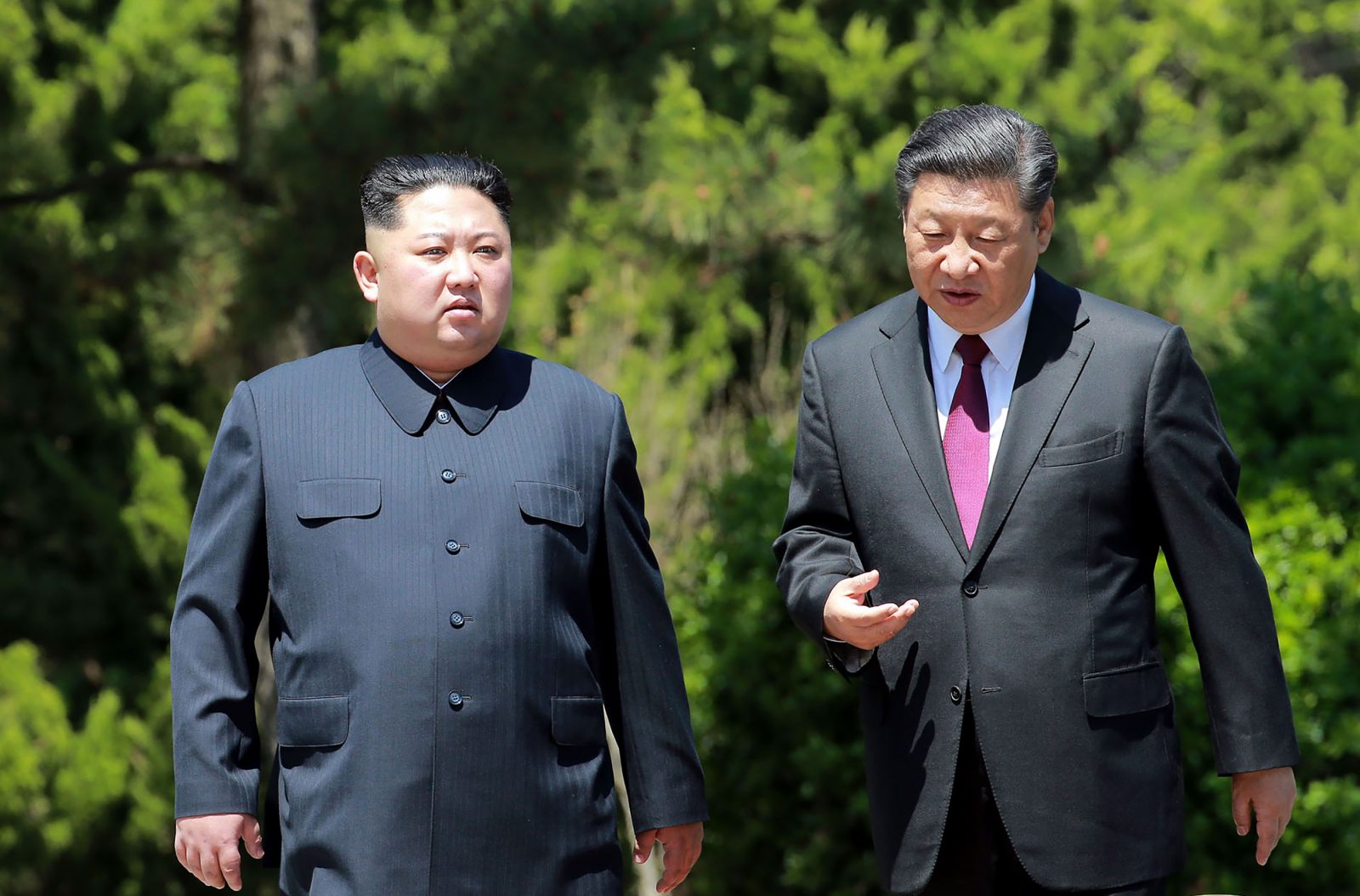
Current commentary tends to frame the warming ties as a product of strategic necessity. The threats from North Korea and China, along with doubts about U.S. reliability under President Donald Trump, are cited as reasons for Seoul and Tokyo to draw closer. These factors are real, but they are not new. North Korea’s nuclear program and China’s assertiveness have been constants for years, and during Trump’s first term, when he openly questioned U.S. alliances, Japan-South Korea relations actually deteriorated under Moon Jae-in and Abe Shinzo.
What has repeatedly derailed progress is not a lack of shared threats but the resurgence of historical grievances. Whenever a trigger—such as a court ruling on wartime compensation or a politician’s visit to Yasukuni Shrine—surfaces, the underlying frictions reemerge and block cooperation.
Public opinion: a mixed signal
One measure of whether this time is different is public sentiment. Polling suggests some improvement. A July 2026 survey by South Korea’s East Asia Institute found that 54% of South Koreans held a favorable view of Japan, the highest since the poll began in 2013. In Japan, only 35% viewed South Korea favorably, but that was up more than 10 percentage points from the previous year.
However, when asked specifically about historical issues, the numbers are stark. A joint poll by the Asahi Shimbun and Dong-A Ilbo in June 2025 found that 80% of South Koreans believed historical issues were still unresolved, and 85% said Japan had not apologized sufficiently. These are overwhelming majorities.
The favorable ratings may indicate that people can separate their views of the country from their views of its history. But they could also be shallow, temporary boosts that can be reversed by a single incident. The potential for such a trigger is high, given the political profiles of the current leaders.
Lee Jae-myung was once a vocal critic of Japan’s stance on its colonial past, while Takaichi Sanae has a long record of historical revisionism, including on the “comfort women” issue, and has visited the controversial Yasukuni Shrine. Their personal histories and political bases sit uneasily with the current warm tone.
Despite these challenges, the long-term outlook is not predetermined. It is possible that Tokyo and Seoul could build a durable relationship, especially if they can manage historical disputes through pragmatic diplomacy. But the evidence from the past suggests that without a deeper shift in how each society remembers the colonial era, the rapprochement may remain fragile.
For now, the region watches closely. The stakes are high, not just for Japan and South Korea but for the broader Indo-Pacific security architecture. As tensions on the Korean Peninsula persist and China and Russia deepen their ties with North Korea, the ability of Seoul and Tokyo to cooperate on security is more important than ever. Yet the ghosts of history are never far away.