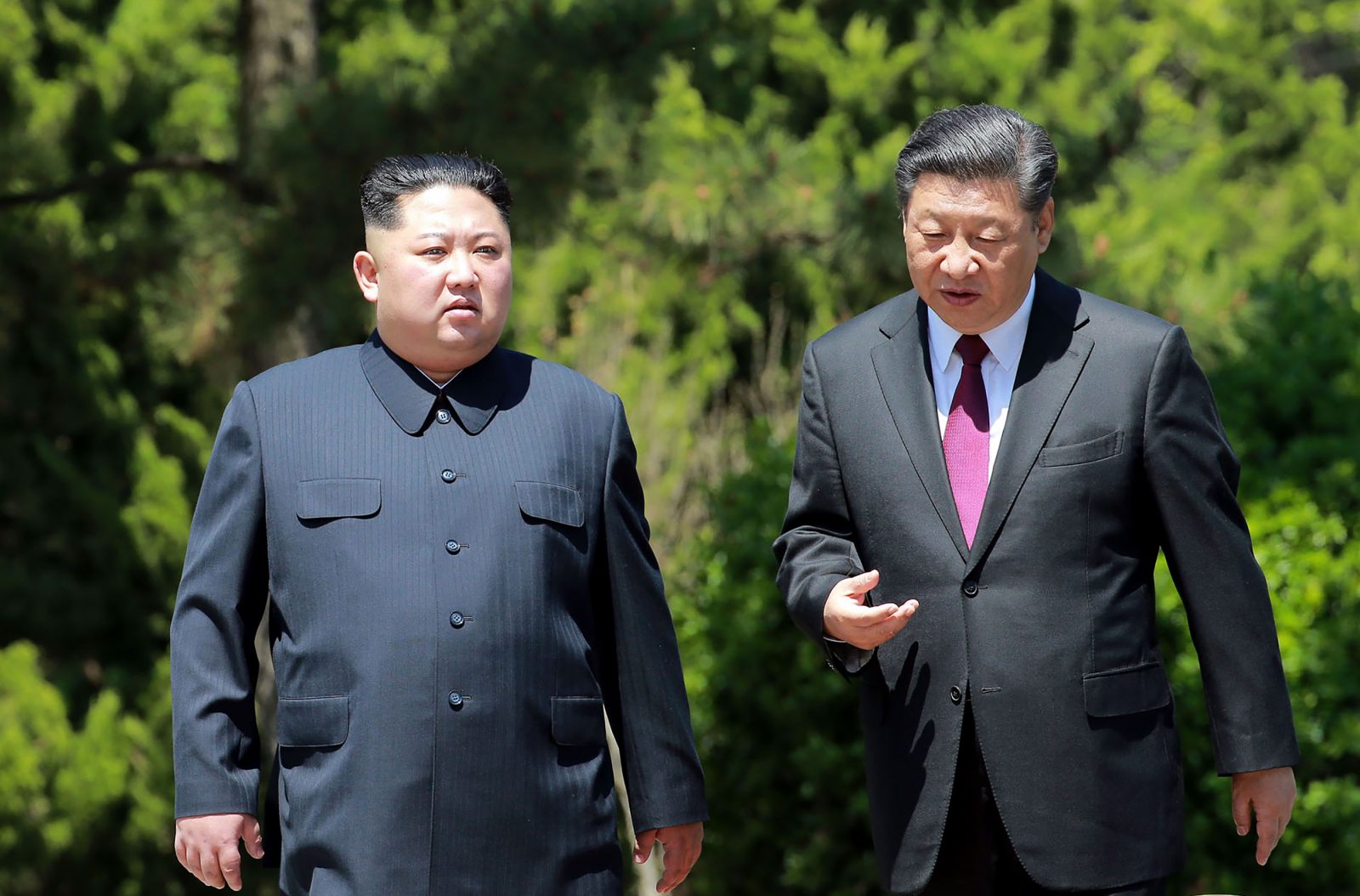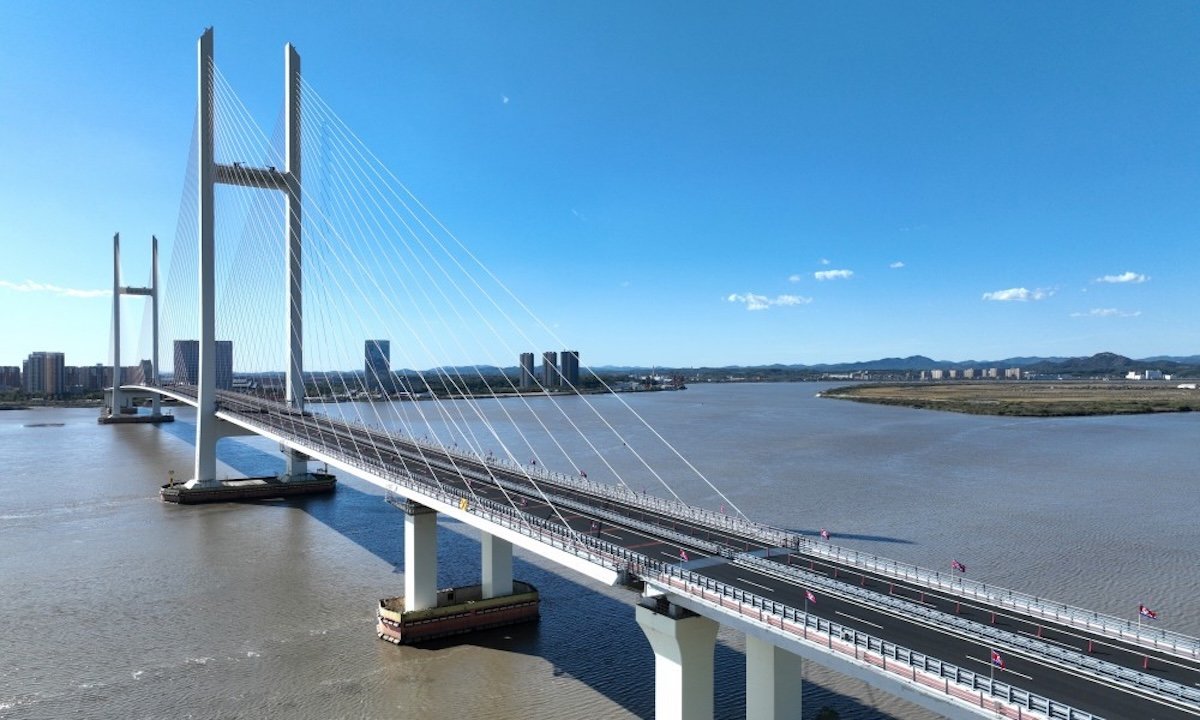
In a span of just over a month, China and Russia have each inaugurated new road bridges connecting their territories to North Korea, underscoring a quiet but intense rivalry for the favor of Kim Jong Un's regime. The openings—Russia's Yakov Novichenko Bridge in September and China's second Yalu River bridge in October—come as Moscow leans heavily on Pyongyang's military support in its war against Ukraine, while Beijing works to preserve its traditional influence over its reclusive neighbor.
Russia's strategic dependence
Russia's need for North Korean assistance has grown acute. Its military campaign in Ukraine has stalled, and North Korean troops and munitions have become essential to sustaining the fight without escalating domestic pressure. Moscow has rewarded Pyongyang generously, with the new bridge across the Tumen River—which forms the 11-mile border between the two countries—being a tangible symbol of that partnership. The bridge, named after Soviet officer Yakov Novichenko, who lost an arm shielding North Korea's founder Kim Il Sung from a grenade in the 1940s, was agreed upon during President Vladimir Putin's visit to Pyongyang in June 2024. Construction began in April 2025 and was completed in record time, with Russian Prime Minister Mikhail Mishustin hailing it as "a reliable basis for closer cooperation" and a path for "bringing our peoples closer."
The speed of the project contrasts sharply with the fate of the Chinese-built Yalu River bridge, which sat unused for over a decade after its completion in 2014. The delay was widely attributed to Pyongyang's failure to build its access roads, possibly to pressure Beijing into footing the bill. But as Russia's courtship of North Korea intensified, China moved to catch up. In October 2023, a month after Kim met Putin in the Russian Far East, Beijing reportedly agreed to fund customs facilities on the North Korean side. Satellite imagery showed accelerated construction in 2025, and the bridge finally opened on October 15, 2026, with a grand ceremony featuring truck convoys flying red flags.
China's stake in stability
China's interest in North Korea is rooted in geography and politics. The two share a border of more than 800 miles, and instability in the North could spill over into China's northeastern provinces, a region of economic and political significance. Beijing worries that if it fails to keep pace with Moscow's overtures, it could lose leverage over Pyongyang's unpredictable leadership. The new bridge, linking the Chinese city of Dandong with Sinuiju, is expected to relieve pressure on the older bridge, which carries an estimated 70 percent of bilateral trade traffic and has suffered from frequent closures for repairs.
For Kim, the rivalry is a windfall. He can play Moscow and Beijing against each other, extracting concessions from both. This dynamic also diminishes any incentive for Kim to engage with U.S. President Donald Trump, who has expressed interest in a meeting later this year. Despite Trump's signals, Kim has shown no enthusiasm, and the competition between his two powerful neighbors only strengthens his hand.
The opening of these bridges is more than an infrastructure milestone; it is a barometer of shifting alliances in Northeast Asia. As Russia's war in Ukraine drags on, its reliance on North Korea deepens, while China recalibrates its own approach to avoid being sidelined. The result is a delicate triangular dance, with Kim Jong Un at the center, benefiting from the attention of two wary giants.