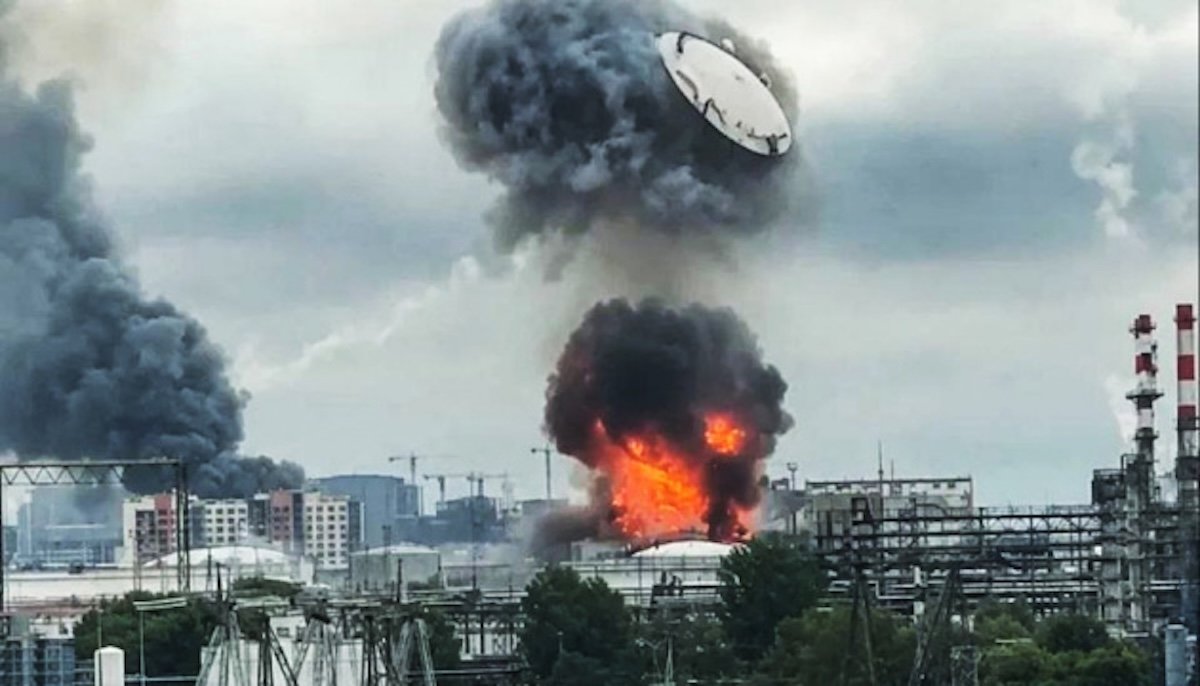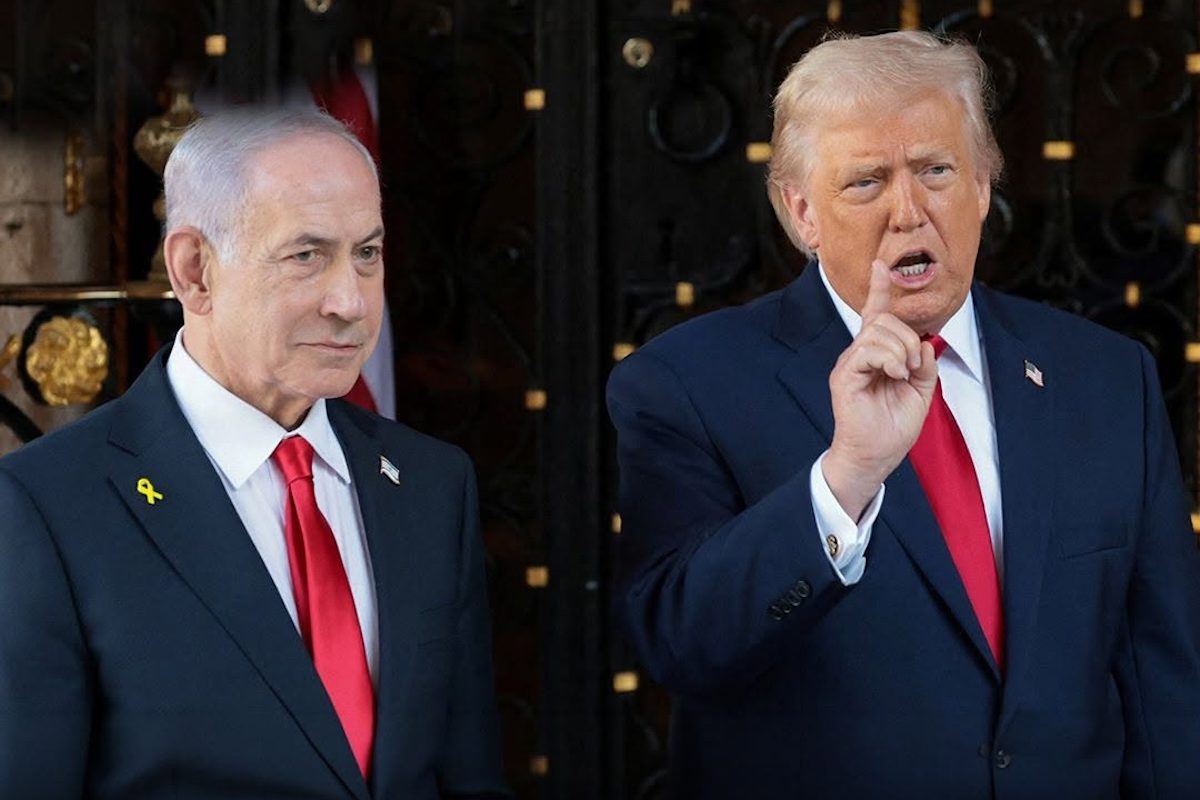
Israeli warplanes struck targets inside Iran on Monday, just hours after US President Donald Trump publicly urged Prime Minister Benjamin Netanyahu to refrain from responding to an Iranian missile attack. The strikes, which hit military sites in central and southern Iran, mark a sharp escalation in the cycle of retaliation that has gripped the Middle East since late February, when Trump launched a coordinated US-Israeli campaign against Tehran.
Trump told Axios on Sunday that he planned to call Netanyahu—whom he referred to by his nickname, Bibi—and instruct him not to retaliate. “Each of them had their fun. Israel had its strike, and Iran had its strike. We don’t need another one,” Trump said, noting that the Iranian barrage caused no reported casualties. Yet within hours, Israeli jets were airborne, striking targets that Iran’s military said included air defense systems and a nuclear research facility near Isfahan.
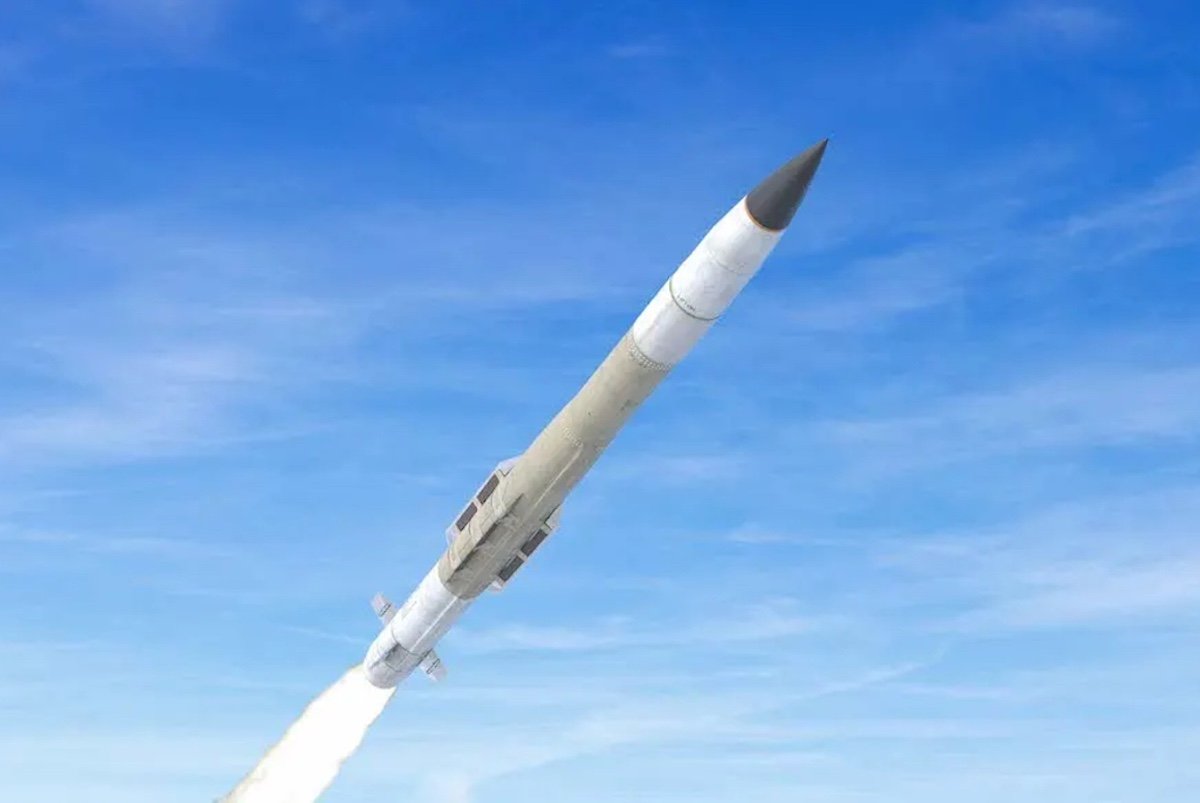
The Iranian missile attack on Sunday was the first since a tenuous ceasefire took effect in early April, and it came in response to Israel’s earlier bombing of southern Beirut. Iran’s Foreign Ministry described the strikes as a defensive measure against “Israel’s persistent breaches of the April ceasefire, including its collaboration with the US military in attacks on Iranian ships and targets in southern Iran over the past two weeks.”
US Credibility on the Line
The swift defiance of Trump’s call for restraint has raised questions about Washington’s ability to control its ally—and about the coherence of US strategy in a region where Trump has simultaneously pursued a diplomatic deal with Iran. “This war has been humiliating for Trump and American power generally,” wrote US Senator Chris Murphy (D-Conn.) on social media. “And when Trump announces he is going to call Netanyahu and tell him not to retaliate, and within hours Netanyahu retaliates, the humiliation just compounds.”
Esmail Baghaei, a spokesperson for Iran’s Foreign Ministry, told reporters on Monday that “no one in the region believes” Israel acted without US coordination. “The United States bears responsibility as a party to the April 8 ceasefire understanding,” Baghaei said. “Whether the US itself violates the ceasefire by attacking Iranian commercial ships or targeting southern parts of the country, or whether violations are carried out through the Zionist regime in Lebanon with US complicity, the direct responsibility of the United States is clear.”
The incident has also exposed a rift within the US political establishment. The US House voted last week to curb Trump’s war powers on Iran, signaling growing unease among Republicans over the administration’s handling of the conflict. Critics argue that Trump’s reluctance to impose real costs on Israel has emboldened Netanyahu to pursue his own agenda, even at the risk of a broader war.
Diplomatic Impasse
Trump told the Financial Times after Iran’s missile attack that he did not believe the exchange would derail a potential diplomatic agreement. He also asserted that Netanyahu “would have no choice” but to accept any deal the Trump administration reaches with Tehran. “I call the shots. I call all the shots. [Netanyahu] doesn’t call the shots,” Trump declared. But the sequence of events—Trump’s plea, followed by Israeli strikes—suggests otherwise.
Trita Parsi, executive vice president of the Quincy Institute for Responsible Statecraft, argued in a blog post that Trump “appears unwilling to spend the political capital necessary to rein in Netanyahu—beyond angry phone calls and tough public statements—unless he knows that he has a deal with Iran.” Parsi noted a fundamental asymmetry: “Trump is willing to restrain Israel to preserve a deal, but not to obtain one. Iran, however, wants evidence that Trump can restrain Israel before agreeing to a deal.” This deadlock, he warned, makes further escalation the most likely outcome.
The National Iranian American Council observed that Iran’s leadership “has already threatened a broader and more destructive campaign” in response to Israel’s strikes. “The coming 24 to 72 hours will likely determine whether this becomes a contained crisis or the beginning of a new phase in the regional conflict,” the group added.
For Asian observers, the crisis carries direct implications. The Strait of Hormuz, through which a significant portion of Asia’s oil supply transits, remains a flashpoint. Trump has warned that a blockade could last until September, threatening energy security for major importers like Japan, South Korea, and India. Meanwhile, the collapse of the Israel-Lebanon ceasefire has already drawn in Hezbollah, raising the specter of a multi-front conflict that could destabilize the broader Middle East and disrupt trade routes vital to Asia.
As the region braces for what comes next, the question remains whether Trump can—or will—exert the leverage needed to prevent a full-blown war. For now, Netanyahu has made clear that he, not the White House, is calling the shots on the ground.