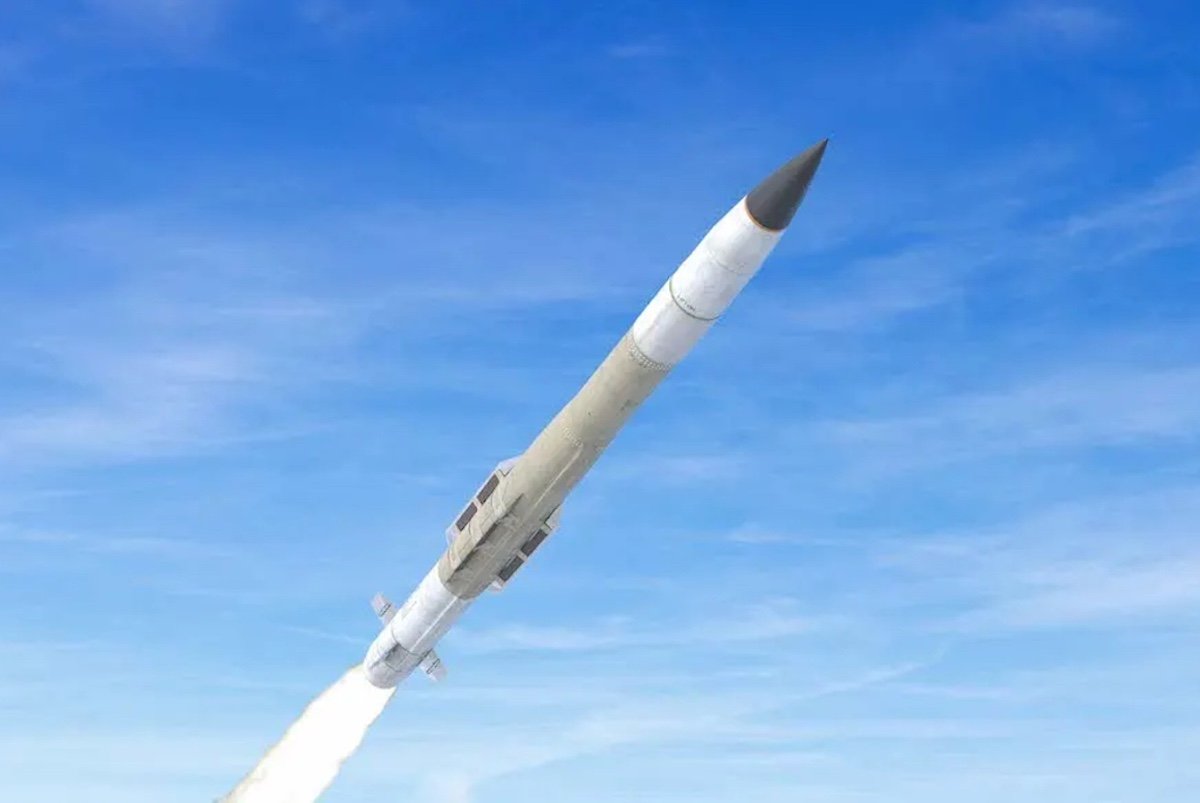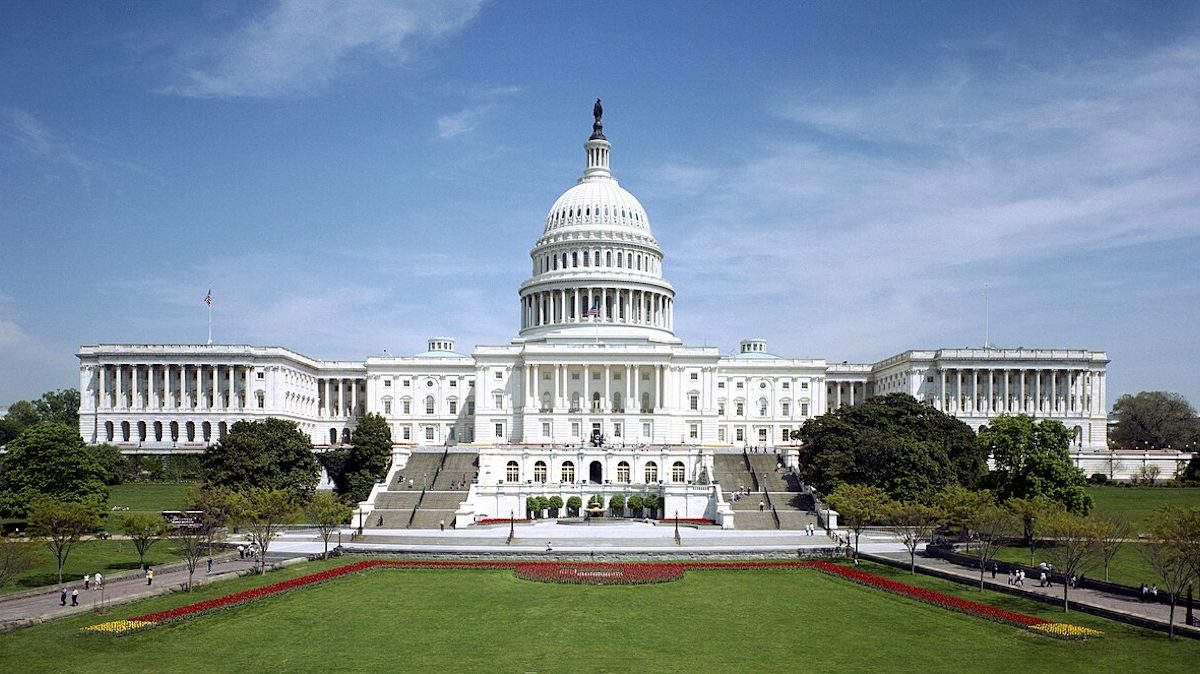
The United States House of Representatives on Wednesday passed a resolution compelling President Donald Trump to end military operations against Iran and mandating congressional authorization for any further escalation. The 215-208 vote, with four Republicans crossing party lines to support all Democrats, marks the most forceful legislative challenge to Trump's handling of the months-long conflict.
The war has claimed the lives of more than a dozen American service members, killed thousands of Iranian civilians, and severely disrupted global trade. The blockade of the Strait of Hormuz has choked supplies of fertilizer and crude oil, sending shockwaves through Asian economies that depend on energy imports from the Persian Gulf.
War Powers Resolution Gains Traction
The measure, known as a War Powers Resolution, is a procedural tool designed to limit the president's authority to initiate or escalate armed conflict without congressional consent. A similar effort failed in the House last month on a 212-212 tie. This time, the shift came after Senator Bill Cassidy of Louisiana, who lost his Republican primary, joined Democrats and a handful of GOP senators in advancing a companion bill in the Senate. No final vote has been scheduled there.
Representative Gregory Meeks of New York, the top Democrat on the House Foreign Affairs Committee, sponsored the resolution. Separately, Michigan Democrat Rashida Tlaib introduced a War Powers Resolution aimed at forcing the withdrawal of US troops from Lebanon, where Israel—backed by American weapons and funding—has launched a military assault.
The passage of the resolution in a Republican-controlled chamber underscores growing unease within Trump's own party. Senate Republicans have also balked at the president's proposal to create a nearly $1.8 billion fund to compensate individuals who claim they were wrongly prosecuted by the Justice Department, including those convicted for the January 2021 attack on the US Capitol and later pardoned by Trump. The administration shelved the fund after disputes stalled broader immigration and deportation legislation.
For Asian capitals, the resolution signals a potential shift in US military posture at a time when the region is already grappling with the economic fallout of the conflict. Japan, South Korea, and India have all faced rising energy costs and supply chain disruptions due to the Strait of Hormuz blockade. The Bank of Japan, in particular, has been caught between domestic political pressures and the inflationary impact of the Iran war, as recent analysis has highlighted.
The Trump administration's approach to Iran has also complicated its broader Middle East strategy. Efforts to expand the Abraham Accords—normalization deals between Israel and Arab states—have been undermined by the ongoing hostilities, as Tehran views the accords as a US-led effort to isolate it. Meanwhile, leaked reports of Trump's frustration with Israeli Prime Minister Benjamin Netanyahu have raised questions about the durability of the US-Israel alliance.
Whether the House resolution will ultimately constrain Trump's actions remains uncertain. The White House has signaled it will ignore the measure, arguing it infringes on the president's constitutional authority as commander-in-chief. But the vote has already reshaped the political landscape in Washington, and its ripple effects are being felt from Tokyo to New Delhi.