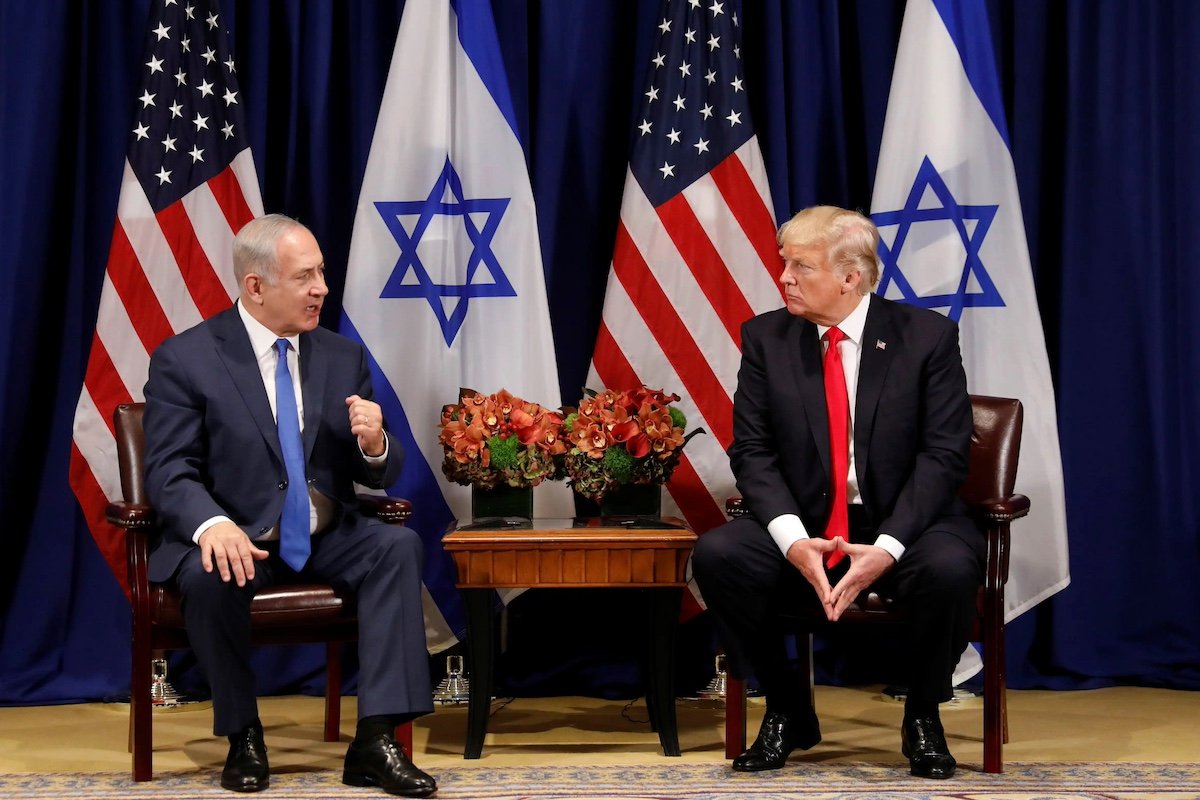
On Monday, a tense telephone exchange between U.S. President Donald Trump and Israeli Prime Minister Benjamin Netanyahu ended not with a policy shift, but with a calculated disclosure. Within hours, Axios and CNN reported that Trump had called Netanyahu “crazy,” told him “you’d be in prison if it weren’t for me,” and declared that “everybody hates Israel.” The language was raw, profane, and unmistakably deliberate.
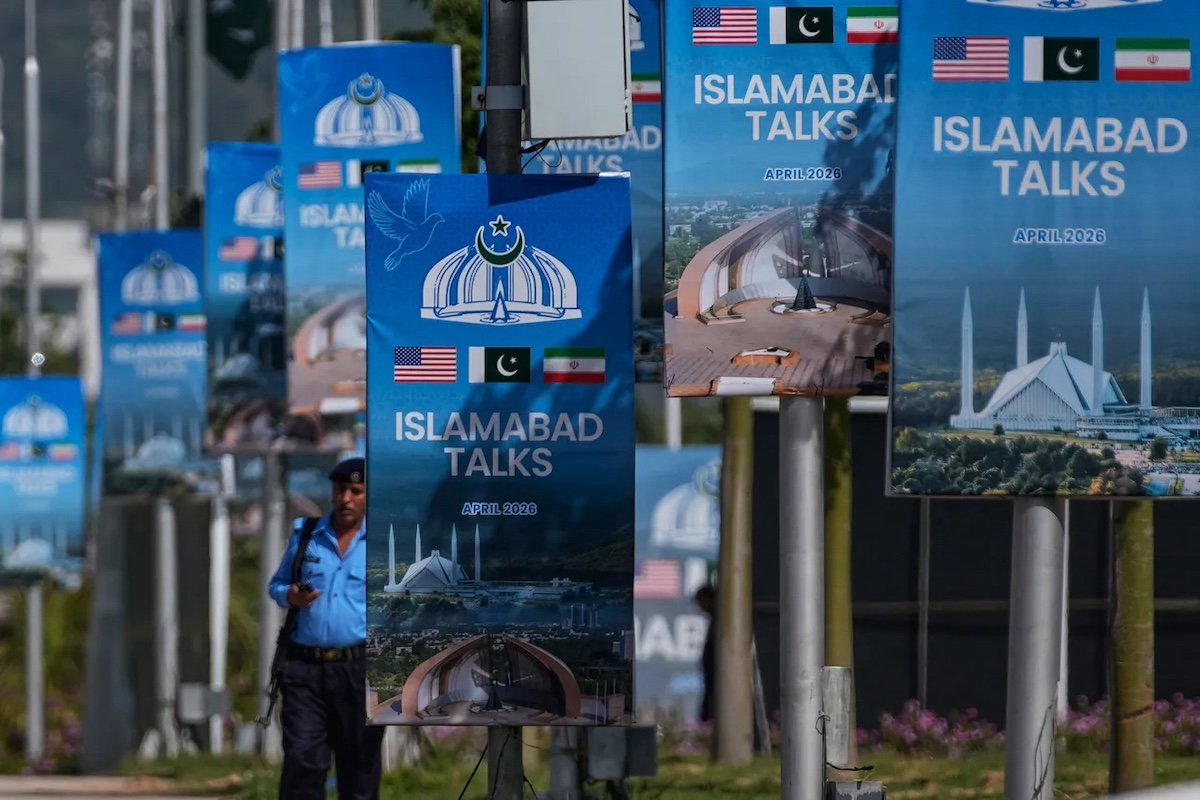
The leak came as Iran suspended its ceasefire negotiations with Washington, citing Israeli airstrikes on Lebanon as incompatible with continued talks. Trump’s Iran diplomacy—the centerpiece of his second-term foreign policy—was teetering. Tehran needed more than assurances; it needed proof that Washington could restrain its ally. A formal diplomatic note would not suffice, especially after joint U.S.-Israeli strikes on Iran in late February had undermined claims of independent American leverage.
What followed was a textbook example of strategic transparency. Sensitive communications between heads of state are among the most tightly guarded secrets. Yet the contents of this call reached the international press within the same news cycle. The Israeli side’s subsequent statement contradicted the American version, confirming the leak originated from at least two U.S. officials. The message was aimed at three distinct audiences.
Three Audiences, One Signal
The first audience was Tehran. Iranian negotiators and the Supreme Leader’s inner circle needed visceral evidence that Tel Aviv would not immediately undermine any agreement reached with Washington. A leaked transcript of Trump’s fury, raw and unvarnished, allowed Tehran to draw its own conclusions. Within hours of the headlines breaking, Iran resumed talks.
The second audience was the Gulf. Qatar, the United Arab Emirates, and Pakistan have staked considerable political capital on sustaining the Iran diplomacy track. Their continued engagement requires domestic cover—the ability to tell their publics they are not enabling Israeli military action. Visible American frustration with Netanyahu, broadcast across every major outlet, provided that cover.
The third audience was closer to home. Trump needed to demonstrate to a skeptical Congress and a weary public that he was driving events, not being driven. The portrait of a president steamrolling a recalcitrant ally plays well in the current American political climate. It is not a liability; it is a selling point.
This technique is not new. The Reagan administration surfaced internal Israeli dissent to manage congressional resistance to arms sales in the 1980s. The first Bush administration permitted friction with Yitzhak Shamir to become public ahead of the Madrid Conference, signaling independence to Arab partners. What has changed is the speed. In 2026, a strategically timed readout reshapes the diplomatic landscape before the next morning’s briefing. The anonymous source has replaced the demarche.
Netanyahu’s post-call statement asserting that Israeli operations in southern Lebanon would continue “as planned” was not bluster. It was a message to his coalition and his public: Israel had not capitulated. His far-right partners have already called the Lebanon ceasefire a humiliation. The leak may have served Trump’s Iran track, but it handed Netanyahu’s domestic critics a narrative and Netanyahu himself a grievance he will not quickly set aside.
There is a deeper cost. The value of private head-of-state communication lies in confidentiality. Leaders speak candidly about domestic constraints and red lines because they expect those conversations to remain private. When a government establishes a pattern of surfacing call contents when convenient, every future interlocutor adjusts accordingly. Jerusalem will. So will Riyadh, Ankara, and Beijing. The frank exchange that makes real diplomacy possible depends on a degree of trust that, once spent, is not easily replenished.
What the episode ultimately reveals is the changed character of the American-Israeli relationship. In the months since, the divergence has sharpened not on Iran’s nuclear ambitions—where both remain agreed—but on the sequencing of military and diplomatic instruments, and on who decides when the fighting stops. Washington is now managing Israel as a variable in a wider strategic equation rather than treating the alliance as an end in itself. The leak was a symptom of that shift. It was also a warning.
For a deeper look at how this dynamic affects broader regional alignments, see our analysis of Quad's Structural Resilience and the challenges facing Trump's Abraham Accords push amid Iran peace efforts.