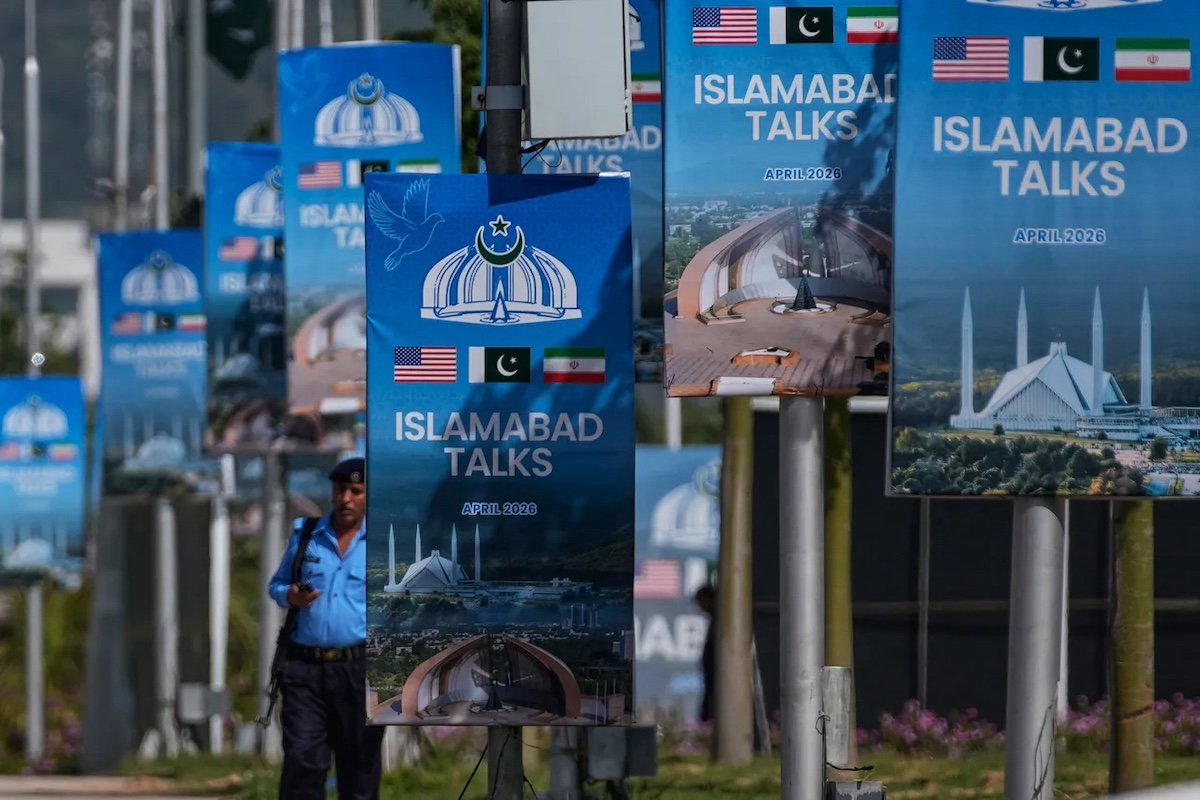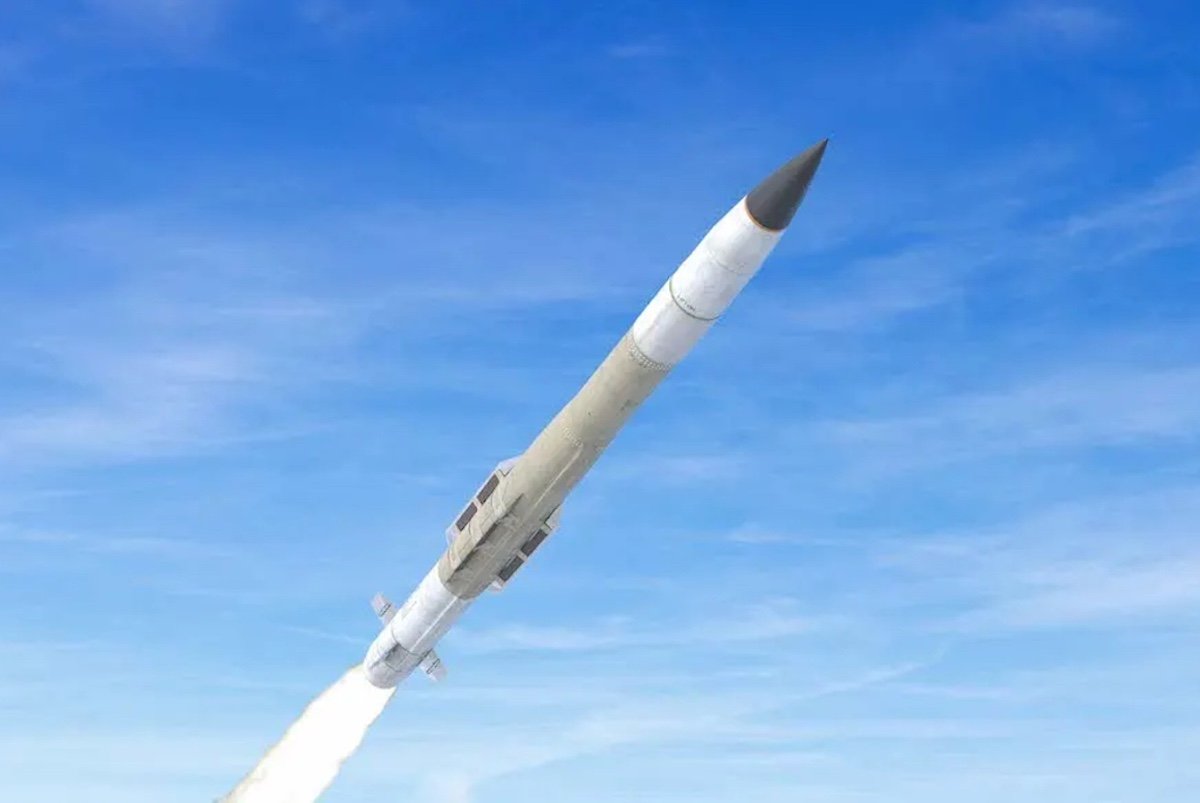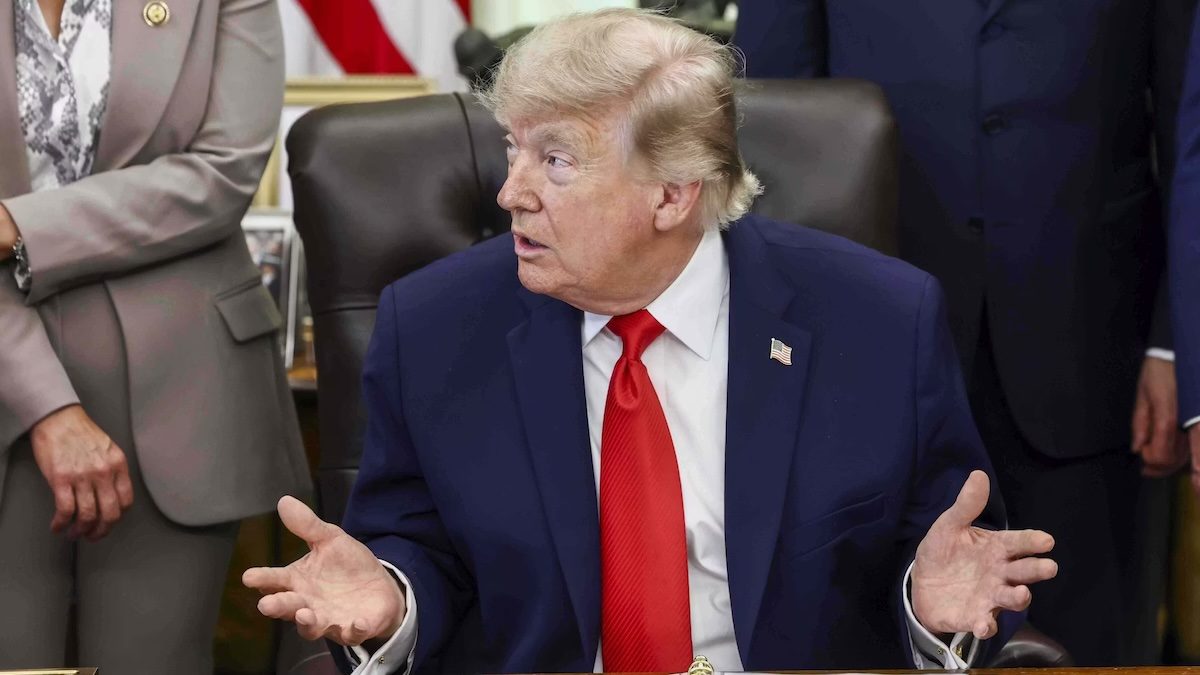
On June 11, the United States and Iran stepped back from the precipice of renewed all-out war. Hours after President Donald Trump announced the US military would carry out strikes against Iran for a third consecutive night, he abruptly postponed the attack. The Iranian military had warned that the US would “receive a more severe response than before” if it followed through.
Trump claimed the cancellation was due to progress in negotiations. In a social media statement, he said: “Discussions and final points have been, in both concept and great detail, approved by all parties involved.” He added that a deal would be signed in the “next few days.”
But such declarations have been made before, only to fizzle. Iran’s foreign ministry dismissed claims of a finalized agreement as speculative, insisting that “nothing has been finalized.” Even if a memorandum of understanding is signed, it would be a framework for talks on unresolved issues—Iran’s ballistic missile program and nuclear ambitions—not a final peace deal.
The Real Reason: War Was Not in America’s Interest
The more compelling explanation for Trump’s reversal is that a return to war simply did not serve US interests. As Prussian strategist Carl von Clausewitz wrote in On War, conflict is the continuation of politics by other means. Its enormous costs are justified only when tied to a coherent strategy with a clearly defined, achievable political objective. By that standard, there was no case for war.
Washington lacked a discernible plan. Trump articulated no strategy or definition of victory beyond a vague goal of preventing Iran from obtaining nuclear weapons. The intelligence that drew him into earlier strikes—predicting the fragility of Tehran’s regime—proved flawed. Scenarios suggesting that decapitation of Iran’s leadership would trigger regime collapse and a democratic uprising did not materialize.
Iran is not a conventional state that can be brought down by overwhelming firepower. The regime, now dominated by the Islamic Revolutionary Guard Corps, functions as a militia with a state. It operates through a dispersed network of forces across air, land, and sea—an asymmetric instrument designed to absorb, scatter, and outlast concentrated military pressure. Weeks of intensive bombing earlier in the war did not shatter the regime’s center of gravity; instead, it consolidated the regime, leaving it more cohesive and determined.
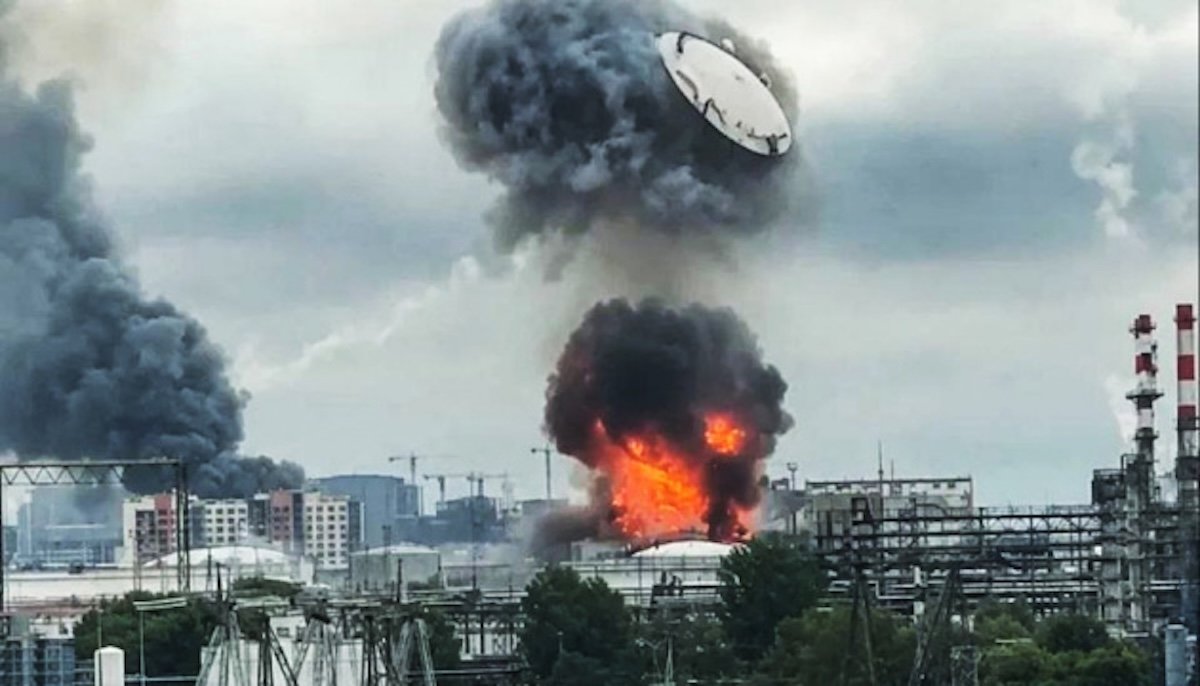
Unlike the cautious approach of the late Supreme Leader Ayatollah Ali Khamenei, the current leadership has become assertive. It retaliates quickly and with severity. On June 8, Iran launched barrages of missiles toward Israel in protest of Israel’s escalating campaign in Lebanon. This pattern of escalation has been consistent.
Costs That Trump Could Not Ignore
Iran retains the capacity to impose intolerable costs while absorbing significant punishment itself. A return to all-out war risked Iran mobilizing its Houthi allies to close the Bab al-Mandab Strait between Yemen and the Horn of Africa. The Houthis paused attacks on shipping after a Gaza ceasefire in October 2025 but have warned they will resume if the Iran war escalates. The Bab al-Mandab Strait is a critical bypass route for Saudi oil and Gulf maritime trade, especially with the Strait of Hormuz already closed.
Iran would also likely resume direct attacks on Gulf states with greater intensity, worsening an already severe global energy crisis. The most consequential impact for the US was the risk of losing its Gulf partners. Every Iranian strike on American installations reinforces a lesson Gulf monarchies are increasingly drawing: that US bases on their soil make them targets, not protectors.
Facing a closed Strait of Hormuz, a declining global economy, and looming defeat for his Republican party in the November midterm elections, Trump is clinging to the hope that he can pressure Iran into a deal. The chances of that strategy succeeding are slim. For Asia, which depends heavily on Gulf oil and maritime trade routes, the implications are profound. The Strait of Hormuz blockade could last until September, as Trump himself acknowledged, threatening energy supplies to Japan, South Korea, India, and Southeast Asian nations. Meanwhile, the US House vote to curb Trump's Iran war powers signals a growing Republican rift over the administration's approach.
Trump’s retreat from war is less a diplomatic breakthrough than a strategic acknowledgment that the costs of conflict—for the US, its Gulf allies, and the global economy—are too high. For the Indo-Pacific, the lesson is clear: the stability of the region’s energy lifelines remains hostage to decisions made in Washington and Tehran.