Beijing has officially welcomed the weekend's US-Iran peace agreement, anticipating that the reopening of the Strait of Hormuz will relieve a months-long disruption to oil supplies that has strained China's fuel markets and refining sector. Yet beneath the official statements, Chinese commentators express a more nuanced view.
On the positive side, analysts note that the restored flow through the strait should allow Beijing to replenish its strategic petroleum reserves and benefit from softening global crude prices. Some independent "teapot" refiners, which had been squeezed by sanctions and supply cuts, may find temporary relief. However, the deal also strips China of the price advantage it enjoyed by importing Iranian oil through a shadow fleet that evaded US sanctions.
"International oil prices will likely fall after the US-Iran reconciliation, which is a double-edged sword for China," says a Sichuan-based columnist writing under the pseudonym Fanyuzhi. "In the short term, lower oil prices will reduce logistics costs and ease inflation. But over the long term, cheap oil will slow the push for new energy, and China stands to lose the privileged position it built with Iran during the sanctions years."
Once Tehran reopens to global markets, European, Japanese, and South Korean companies are expected to compete aggressively for crude that China had largely monopolized. Fanyuzhi acknowledges that a more stable Middle East benefits China's Belt and Road Initiative (BRI), noting Beijing's role in brokering the Saudi-Iranian reconciliation and its behind-the-scenes involvement in US-Iran talks. "China's influence in the region is clearly rising," he says, "and Middle Eastern countries will increasingly look eastward when weighing their relationships with the major powers." Yet he cautions that the peace deal may be fragile, comparing it to two exhausted boxers catching their breath after a referee's stoppage, with another round possible once strength returns.
Impact on China's Refining Sector and Energy Transition
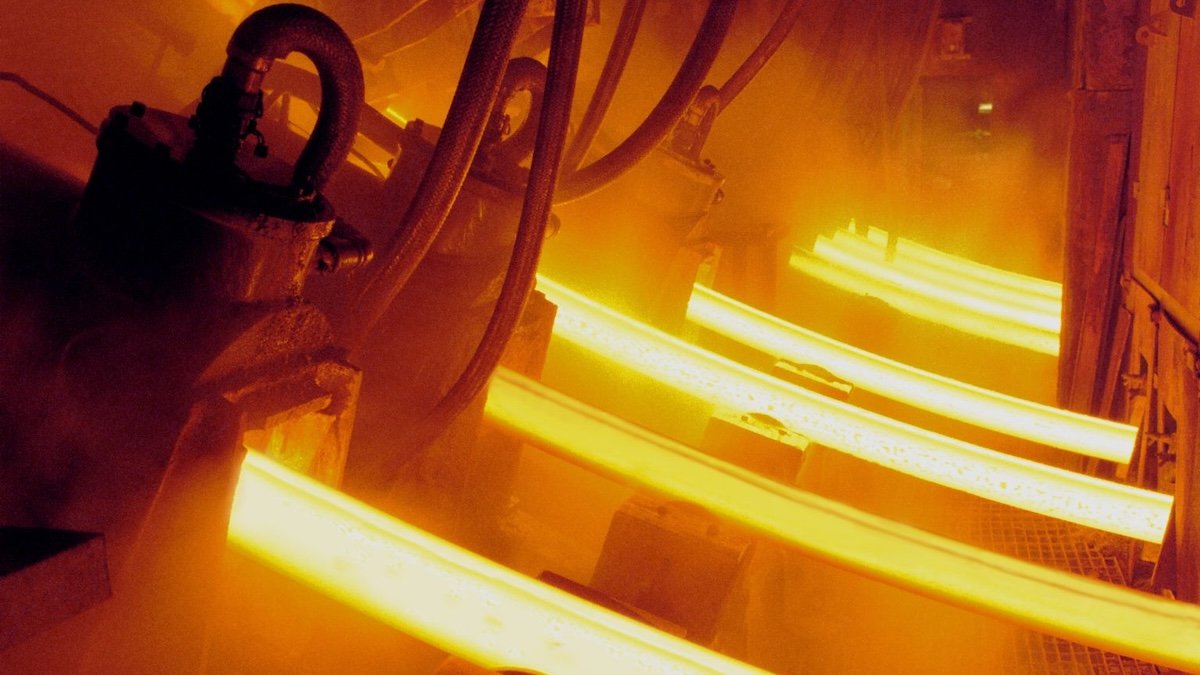
The conflict, which began on February 28, strained China's gasoline supply on two fronts. Disruptions to crude flows through the Strait of Hormuz drove up global oil price expectations, squeezing margins for Chinese refiners. At the same time, volatile fuel prices pushed many consumers toward electric vehicles, eroding domestic demand for gasoline and leaving independent "teapot" refiners under mounting pressure to cut output.
While US sanctions on some teapot refiners added to the pressure, the blow was less severe than expected. China's large strategic crude reserves gave Beijing room to maintain domestic fuel supply without relying on sanctioned imports. Customs data show China's crude oil imports fell 20% year-on-year in April to 9.25 million barrels per day, the lowest level since July 2022. The decline deepened in May, with imports dropping to around 7.8 million barrels per day, down 29% year-on-year. For the first five months of 2026, total crude imports fell 4.8% from the same period last year. Refined fuel imports dropped even more sharply, with May figures falling 58% from a year earlier.
"When crude shipments through the Strait of Hormuz were first cut off in March, Chinese authorities ordered the independent refiners to maintain high output of gasoline and diesel even at a loss, warning that cutting utilization rates could result in their crude import quotas being slashed," says a Beijing-based writer using the pen name All About Energy. He notes that some loss-making teapot refiners were allowed to reduce output only after Beijing observed a slowdown in domestic gasoline demand.
"China's gasoline demand has been declining since the Iran war disrupted crude shipments through the Hormuz Strait," he says. "Rising fuel prices have discouraged driving of combustion engine vehicles, particularly in cities where electric vehicles are more convenient and cheaper to run. This year's drop in gasoline demand is expected to exceed earlier forecasts."
"April 2026 was a turning point," says Xie Duiren, a Shandong-based columnist. "New energy vehicles accounted for more than 60% of domestic passenger car retail sales for the first time, with domestic brands crossing 80%. As more people choose electric vehicles, combustion-engine cars lose their residual-value protection in the second-hand market." He warns that fewer buyers and more sellers mean used car prices can only go one way, and the downward spiral has begun. "Electric vehicles are now improving in technology and holding their value better, steadily squeezing out used combustion-engine cars. When a combustion-engine car goes from being an asset to a liability, who would still want to own one?"
Reuters reported on June 2 that China's National Development and Reform Commission (NDRC) allowed some independent refiners in Shandong province to cut output from June to no lower than 80% of last year's monthly average.
US Leverage and Indo-Pacific Implications
Washington has gained significant leverage over the global energy market through two major developments this year. In January, US special forces arrested Venezuelan President Nicolas Maduro in Caracas and flew him to New York to face drug trafficking and narco-terrorism charges. The Trump administration said it would run Venezuela for an unspecified period, giving Washington significant control over the country's vast crude oil reserves. The end of the Iran war further extends that reach, with the Strait of Hormuz set to reopen under terms heavily shaped by Washington.
Together, these developments give the Trump administration far greater bargaining power in the global fossil fuel market and leave it with more bandwidth to focus on the Indo-Pacific, both politically and militarily. This shift has direct implications for China's strategic posture, including its missile swarm strategy targeting US carrier groups and its broader ambitions in the South China Sea. As Washington's energy leverage grows, Beijing's room to maneuver in the region may narrow, forcing a recalibration of its energy and foreign policies.