When the Chinese Communist Party convenes its next congress in autumn 2027, President Xi Jinping is expected to secure a fourth five-year term, extending his tenure beyond any leader since Mao Zedong. More significantly, the congress will elevate a generation of cadres born in the 1960s—roughly a decade younger than Xi—to the Standing Committee and Politburo. Unlike his first three terms, when Xi had to navigate among peers his own age or older, the incoming leadership will owe their positions entirely to him, further concentrating his authority.
Xi has spent the past year preparing without any visible challengers. He completed an unprecedented purge of the People's Liberation Army, an institution that was historically the party's kingmaker. By neutralizing the PLA's political power, Xi has amassed a degree of control that even Mao did not fully possess. Mao's authority rested on the PLA's loyalty and his victory in the civil war against the Kuomintang. Xi's power, by contrast, emerged from a vast and opaque internal party struggle that he won decisively.
A new paradigm for judging performance
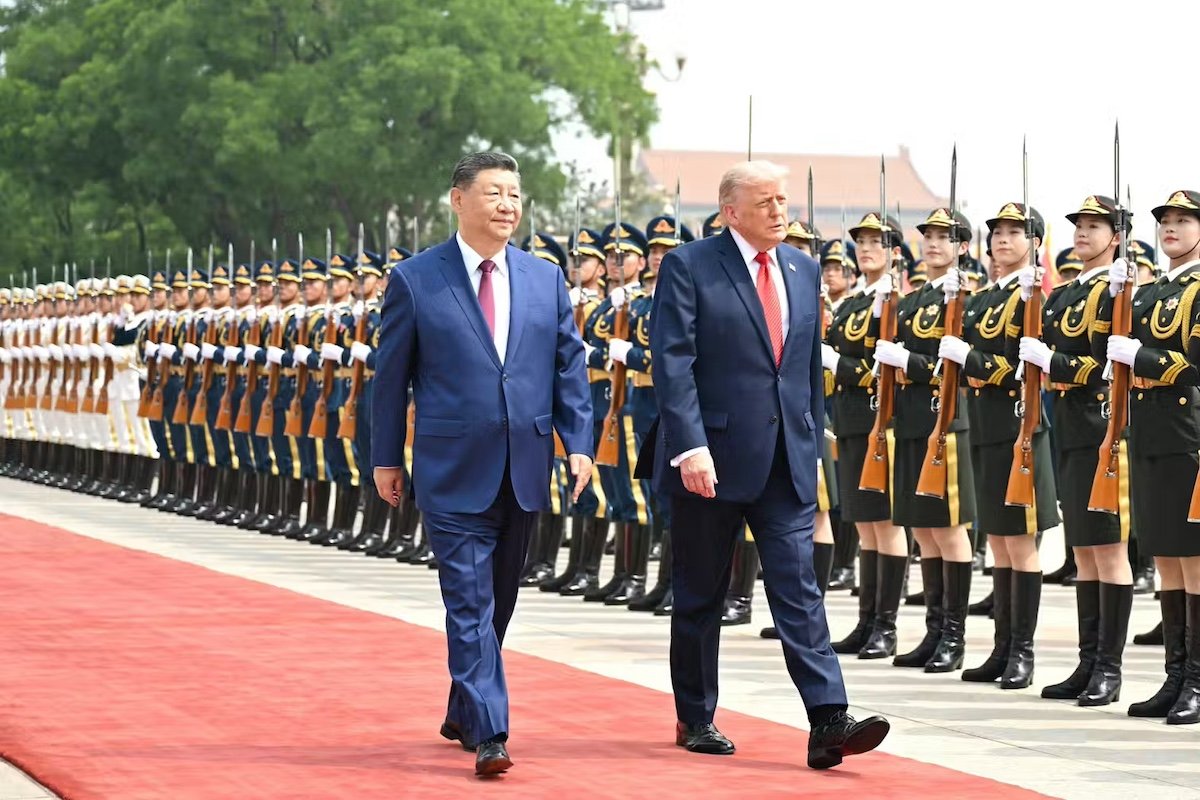
Xi's accomplishments are notable. For the first time in nearly two centuries, a Chinese leader confronted the United States and forced it to yield in a tariff dispute with broad geopolitical implications. He also navigated a dangerous Covid-19 outbreak while maintaining domestic stability. None of his predecessors in the past century can claim similar feats.
He achieved this by shifting the criteria by which ruling performance is judged. Under Mao, the measure was ideological purity and adherence to communist orthodoxy. Under Deng Xiaoping, it was economic growth. Xi has blended both: economic growth remains important, but it must be tempered with party loyalty and political acumen. This new paradigm has allowed Xi to position China as a direct competitor to the United States, the existing superpower.
Yet China faces four long-term structural problems that could undermine its trajectory: democracy, relations with neighbors, an overbearing military, and public debt.
Democracy and international voice
China's lack of democratic governance cripples its external influence. Its media are widely seen as Xi's loudspeakers, carrying no weight in global debates. To be an undemocratic world leader when most other major powers are democratic is a strategic liability. Internally, China needs to build a genuine domestic consumption market, which requires a better welfare state and fiscal overhaul—both of which imply controversial political reforms. While growing disillusionment with democracy in some Western countries may temporarily obscure China's deficits, internal economic pressures will persist.
Strained relations with neighbors
China has tense relations with nearly all its neighbors and lacks any genuine allies. This complicates commercial and political ventures. In the short term, no party benefits from escalating tensions, but over the long term, the atmosphere of isolation, fear, and suspicion around China creates risks for everyone. The recent exposure of US military movements by a Chinese AI firm only deepens regional mistrust.
Military overreach and arms race
China's massive and growing armed forces fuel a regional arms race. Unlike the United States, which has a vast network of allies and a military that serves global security goals, China's forces serve only its own security. No country near or far feels secure that Chinese forces will not be used against it. The US military, by contrast, is seen by allies as underused against their enemies, not as a threat to them.
The debt dilemma
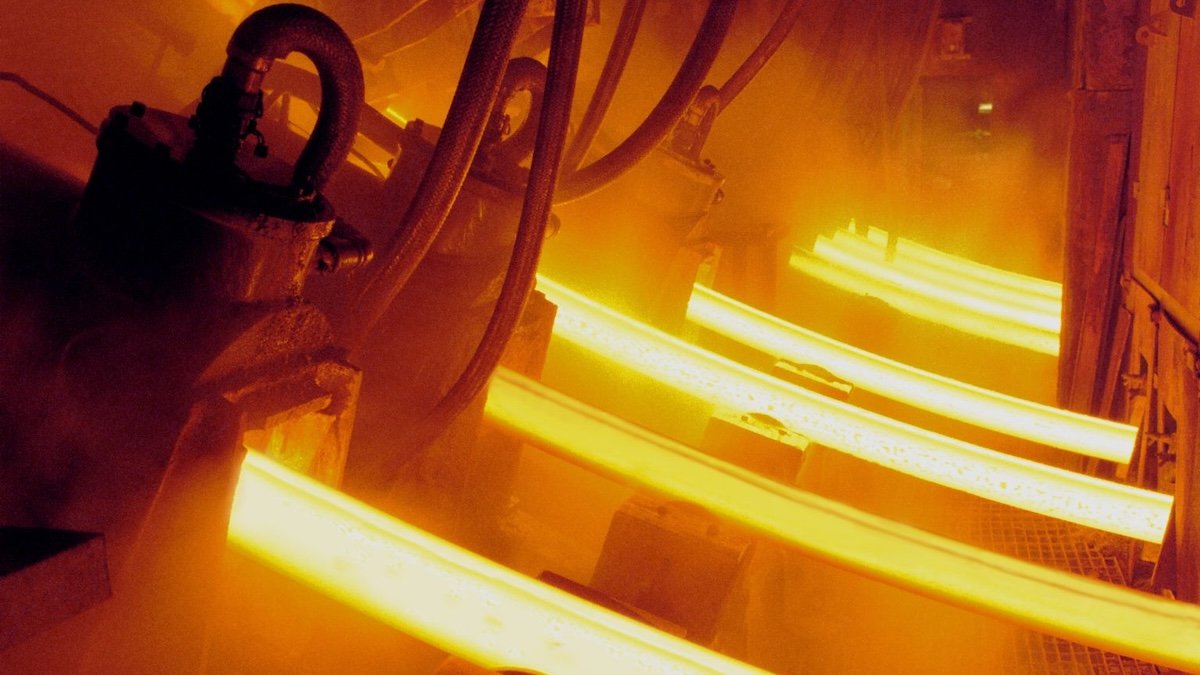
The most complex issue is internal debt. China's economy has been faltering since before Xi took power. The country is pouring nearly three times its GDP into the economy to achieve growth of less than 5% per year. The results are visible: massive construction, extensive infrastructure, and unparalleled industrial capabilities—China produces nearly 30% of global industrial output, from steel and textiles to EVs, robotics, and semiconductors. No other country matches its combination of scale, breadth, and integrated supply chains. But the economic return on this investment is modest. Many projects are monuments with little economic sense. Hidden in these numbers could be one of the largest financial bubbles in history. The recent plunge in Chinese chip stocks suggests that overvaluation is already overwhelming state rescue efforts.
Xi's odyssey through Western confusion has brought him unchallenged power, but the long-term challenges remain unresolved. The 2027 congress may mark the peak of his authority, but the structural problems he has deferred will not wait forever.