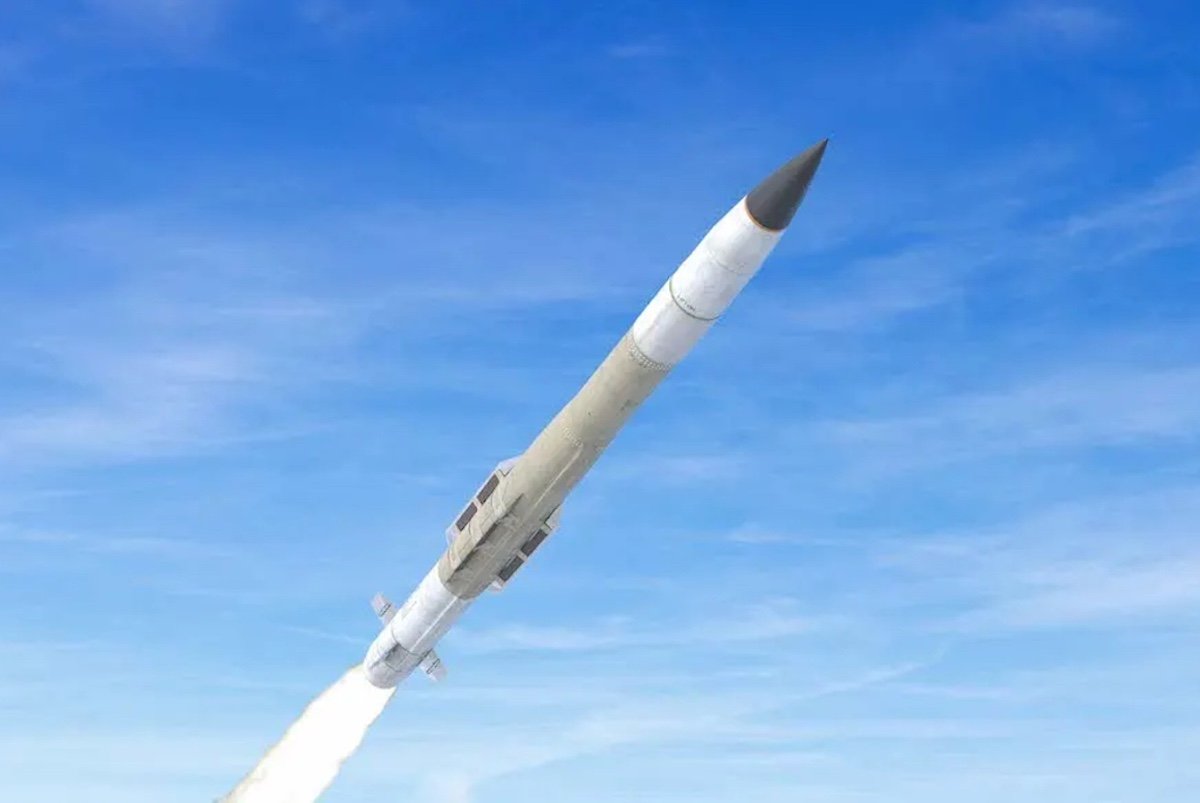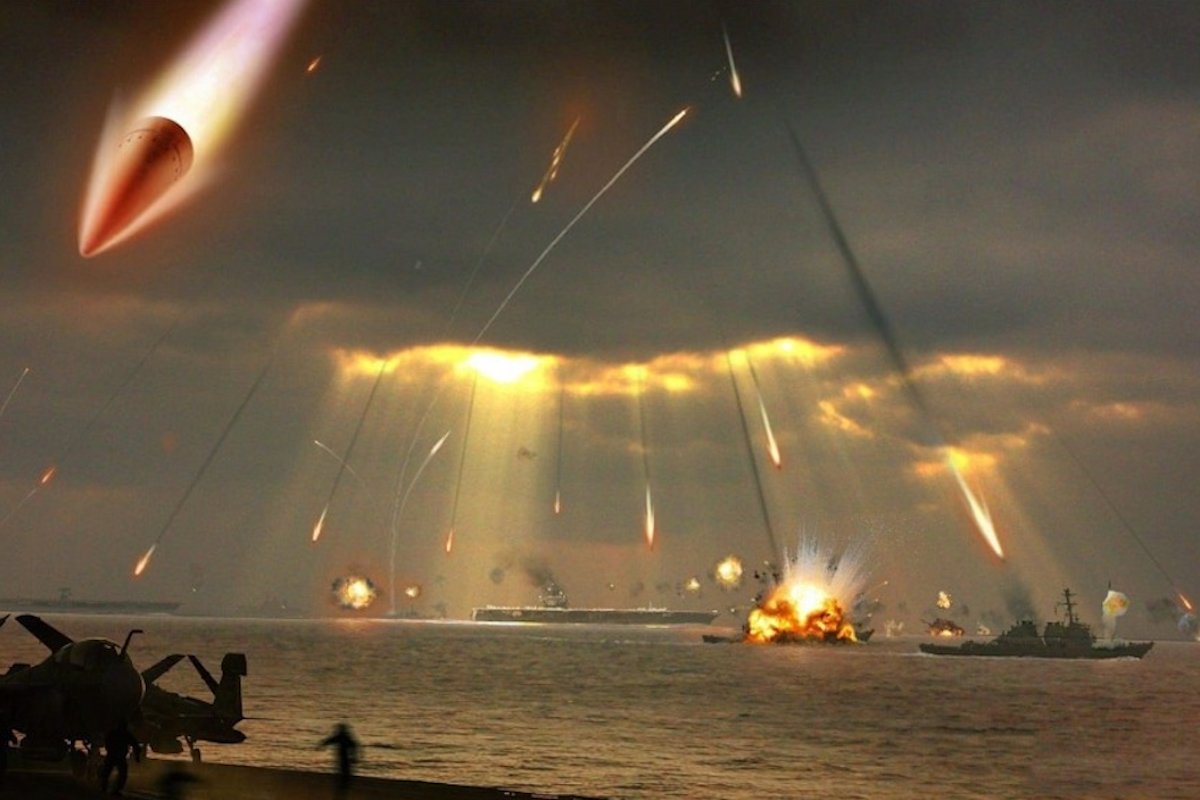
Chinese military researchers have published a detailed strategy for neutralizing US aircraft carrier groups from a distance of 3,000 kilometers, proposing a coordinated missile swarm rather than relying on a single 'carrier-killer' weapon. The study, led by Associate Professor Gao Tianyun from China's National University of Defense Technology, appeared in the peer-reviewed journal Tactical Missile Technology and was reported by the South China Morning Post.
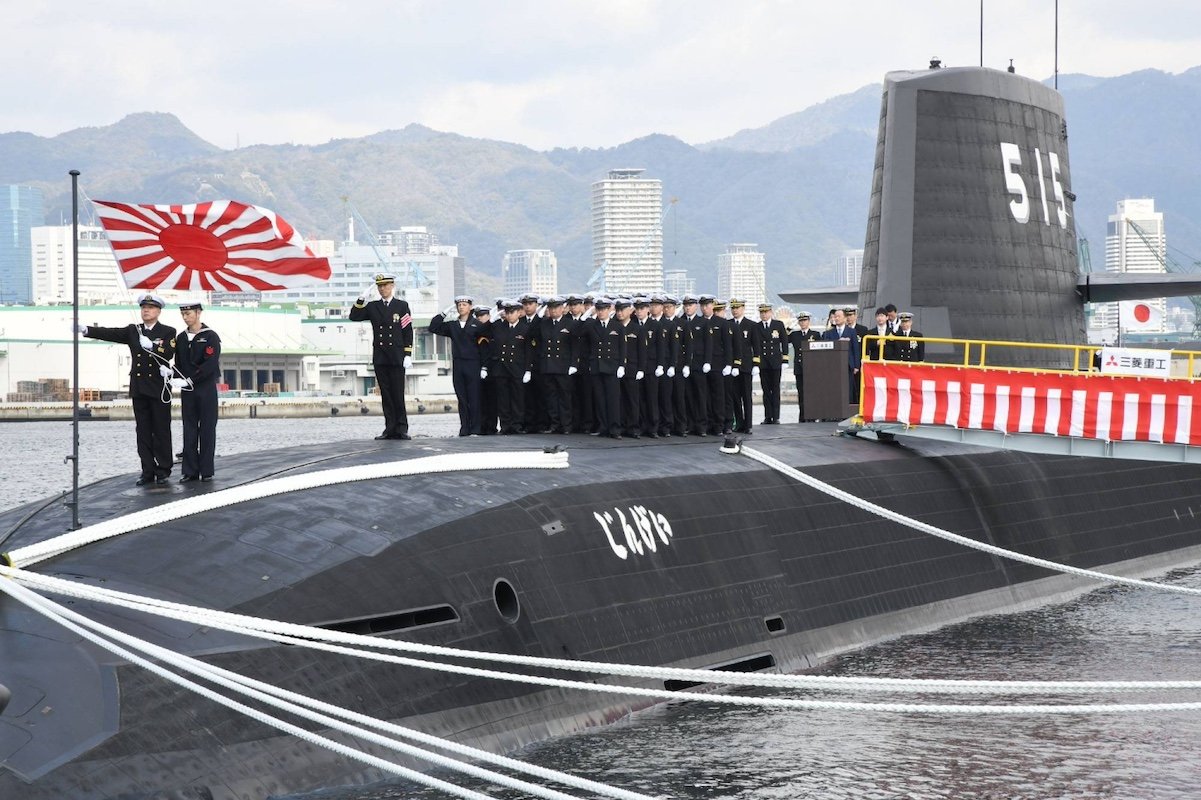
The paper directly addresses the US Department of Defense's Distributed Maritime Operations (DMO) concept, which disperses naval formations to reduce vulnerability. To counter this, the Chinese plan begins with a surprise strike using submarines launching hypersonic anti-ship missiles at forward-deployed US Aegis destroyers. This initial salvo aims to crack the outer mid-course missile shield, exposing the aircraft carrier to subsequent attacks.
Swarm Tactics and Kill Chain Vulnerabilities
Following the initial strike, the plan deploys a multi-directional 'firepower package' combining cheap decoy drones, low-cost cruise missiles, and wave-skimming subsonic stealth missiles. These are designed to deplete defensive ammunition and saturate radar tracking systems. The swarm operates in a 'leader-follower' mode, where a designated scout missile relays data to low-flying missiles, dynamically adjusting if the leader is intercepted. The authors argue that such mass-swarm tactics leverage China's vast shipbuilding and missile manufacturing capacities relative to what they describe as US deindustrialization.
However, the effectiveness of any missile swarm depends on maintaining an unbroken kill chain—the ability to find, track, and target a moving carrier group despite US efforts to disrupt it. In a May 2026 brief from the Center for Strategic and International Studies (CSIS), Seth Jones notes that traditional US surface warships, such as carriers and destroyers, are highly exposed to precision strikes from the People's Liberation Army Rocket Force (PLARF), despite their complex defensive systems. He adds that their large physical profiles make them vulnerable to large salvos of cruise, ballistic, and hypersonic missiles.
Jonathan Caverley, writing in a 2025 article for the Texas National Security Review, emphasizes that long-range strikes against moving carrier groups require an uninterrupted chain of sensors, communications networks, and weapons guidance systems. That architecture, he says, depends heavily on vulnerable space-based surveillance assets, creating multiple opportunities for disruption. Veerle Nouwens and her co-authors, in a January 2024 report for the International Institute for Strategic Studies (IISS), argue that while China can readily threaten fixed targets, striking moving carrier groups remains far more demanding. They note that maintaining continuous over-the-horizon awareness requires a sophisticated sensor network that may be vulnerable to US cyber, electronic warfare, and counter-space operations.
US Countermeasures and Chinese Adaptations
Even if China strengthens its targeting architecture, it will still need to overcome increasingly distributed and unmanned US defensive networks designed specifically to absorb saturation attacks. Jordan Spector, in a March 2026 Proceedings article, describes a layered US defense consisting of an outer layer of medium unmanned surface vessels (MUSVs) that expand early-warning detection and electronic jamming capabilities. After that, a magazine on large unmanned surface vessels (LUSVs) serves as a remote arsenal, boosting missile capacity with multiple types of interceptors. Behind that, cruisers and destroyers coordinate terminal defense from the inner layer. Spector notes that such an integrated framework offloads risk to affordable, autonomous systems, preserving carrier strike group survivability.
China is not standing still. To make missile swarms more resilient, the People's Liberation Army (PLA) is exploring kill-web architectures and autonomous systems that could continue operating even after portions of its targeting network are degraded or destroyed. In a 2025 article in the peer-reviewed Air & Space Defense journal, Wang Chaochen and other writers mention that while conventional kill chains suffer from sequential dependencies—making them highly vulnerable to being severed if a single node fails—a kill web dynamically integrates dispersed combat nodes across land, sea, air, space, and cyber domains. By leveraging an open service architecture, edge computing, and local autonomous decision-making, the kill web ensures information is shared in real time. Consequently, even if specific links suffer electronic interference or physical damage, the system dynamically reorganizes multi-path adaptive links to maintain uninterrupted operational lethality.
Beyond kill webs, China can employ increasingly autonomous AI to lessen dependence on kill networks. As Kateryna Bondar and Matt Mande mention in a recent report for CSIS, traditional unmanned systems rely on a constant communication link—the 'tether'—to a human operator for flight, navigation, and targeting. While electronic warfare can sever this link, rendering the platforms useless, genuine AI-enabled edge autonomy mitigates this vulnerability by allowing a system to operate independently.
This evolving competition has broader implications for regional security. For instance, China's HQ-16F deployment signals a shift in Taiwan conflict planning, while India's Great Nicobar base challenges China's Malacca Strait dependence. The interplay of missile swarms, kill webs, and autonomous systems will shape the balance of power in the Indo-Pacific for years to come.