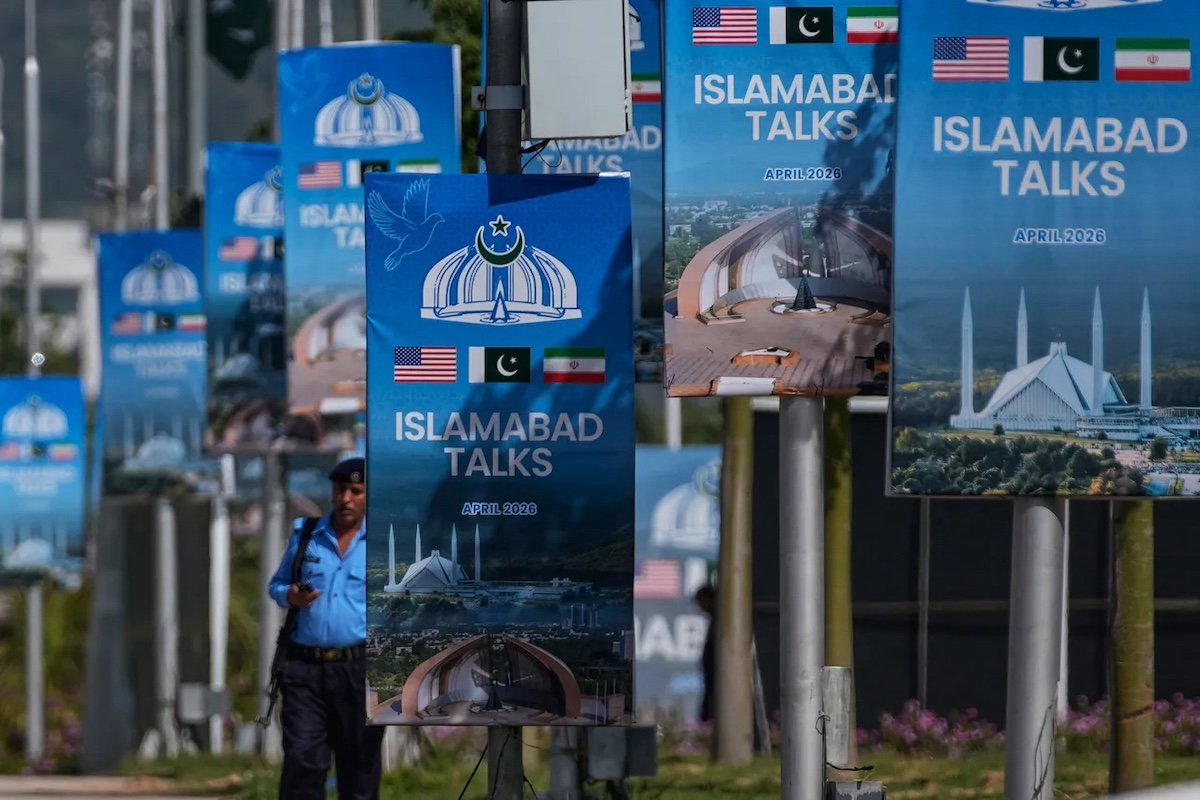
The world breathed a collective sigh of relief when Donald Trump agreed to a memorandum of understanding (MoU) with Iran on June 17, ostensibly ending the conflict that erupted in February. But beneath the surface, the deal is less a peace accord than a pause—one whose internal contradictions are already visible and whose implications for Asian energy markets are profound.
Iran’s closure of the Strait of Hormuz since February triggered one of the largest supply disruptions in global energy history, sending inflation soaring across the West and angering American motorists. It was this economic stranglehold that forced Trump to the negotiating table. Yet the payoff for Washington remains unclear. As former US president Barack Obama recently observed, it is “doubtful that any agreement that arises is going to be significantly different, or represent a significant improvement from the deal” he oversaw in 2015.
Iran’s ability to close the strait gave it leverage to extract concessions from Trump that may exceed the Obama-era nuclear deal—without offering more on the nuclear question than it had tabled in Geneva days before the war began. Even senior Republicans such as Senator Bill Cassidy have criticized the deal for its financial incentives to the Iranian regime.
An Emboldened Tehran Tests the Limits
Within 72 hours of signing the MoU, Iran’s military command claimed to have closed the Strait of Hormuz once again. This was no surprise. It signals an emboldened Tehran flexing the leverage that Trump’s deal inadvertently produced. For Asian economies—especially Japan, South Korea, India, and China, which rely heavily on Gulf oil—the threat of renewed disruption looms large.
The deal’s flaws are not merely tactical but structural. By rewarding Iran’s aggression with concessions, Trump has created a precedent that could encourage further brinkmanship. Iran gains Trump concessions with minimal commitments in the new MOU, a dynamic that undermines long-term stability in the region.
Asian capitals are watching closely. Tokyo and Seoul, both heavily dependent on Middle Eastern crude, have already begun diversifying supply sources, but the Strait of Hormuz remains a chokepoint. New Delhi, which imports over 80% of its oil, faces similar vulnerabilities. The deal’s fragility could accelerate investments in alternative energy routes and strategic reserves across the Indo-Pacific.
Meanwhile, the Trump administration’s domestic political calculus complicates matters further. Trump seeks $87.6 billion for Iran war costs, a request that has sparked a congressional clash. This suggests that the administration itself does not view the ceasefire as a permanent solution.
The broader strategic picture is one of a deferred crisis. Iran’s nuclear ambitions remain unresolved, and its regional proxies continue to operate. The deal may provide temporary relief, but it does not address the underlying tensions that led to war. For Asian nations, the lesson is clear: reliance on a single chokepoint for energy is a vulnerability that no ceasefire can fully mitigate.
As the situation evolves, the Asian Examiner will continue to track how this agreement reshapes energy security and geopolitical alignments from Tokyo to New Delhi. The flaws at the heart of Trump’s Iran deal are not just Washington’s problem—they are a challenge for the entire Indo-Pacific.