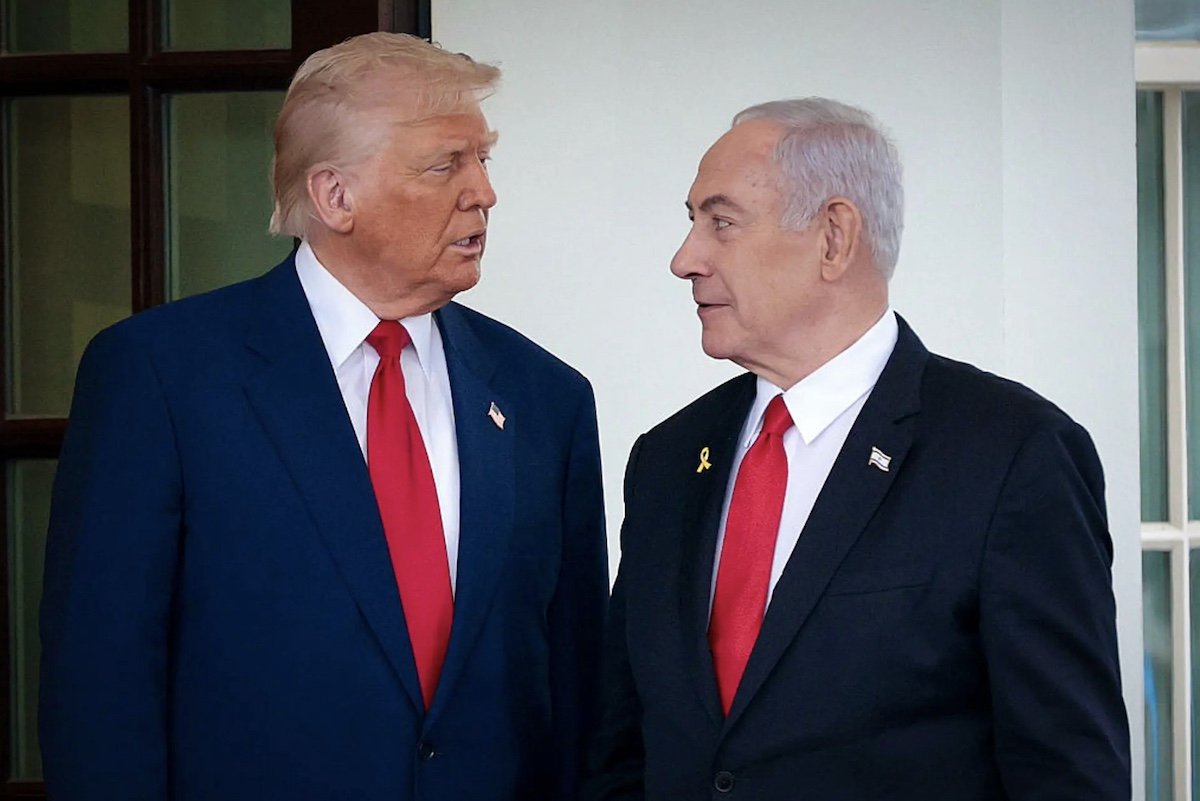
For decades, the ritual has been familiar: after every crisis, every ceasefire, every tense phone call between an American president and an Israeli prime minister, Washington issues reassurances. Phrases like "the bond is unshakeable" and "our commitment to Israel's security is ironclad" are repeated with liturgical regularity. Yet beneath this comforting rhetoric lies a growing divergence between what Israel seeks and what its indispensable ally is willing to provide.
Israel's strategic establishment would do well to examine this gap more honestly. Since 1948, the country has occupied a paradoxical position: militarily formidable, yet diplomatically dependent. The recurring pattern—American intervention to limit Israeli military victories—has never fully closed the gap between Israeli security needs and US policy constraints. The question now is whether structural trends in American politics and grand strategy are widening that gap further.
Historical Patterns of American Intervention
Consider the record. In October 1973, with Israeli armor encircling Egypt's Third Army and the government in Jerusalem poised for a decisive blow, the Nixon administration intervened. Henry Kissinger brokered a ceasefire that rescued Egyptian leader Anwar Sadat's forces, handed Washington the role of indispensable regional mediator, and taught Israel a lesson it has had to relearn ever since: when American and Israeli objectives diverge, it is Israel that is asked to defer.
The airlift that resupplied Israeli forces during that war, Operation Nickel Grass, was real and consequential—but it also created a dependency. As one analyst noted, "You cannot accept the ammunition and then reject the terms that come with it." This dynamic has repeated across conflicts, from Lebanon to Gaza, with Washington often restraining Israeli operations while maintaining public solidarity.
Today, the cracks are becoming more visible. The Biden administration has publicly criticized Israeli settlement expansion and expressed frustration with Prime Minister Benjamin Netanyahu's policies. Meanwhile, domestic American politics are shifting: progressive Democrats increasingly question unconditional support for Israel, while a growing number of Republicans prioritize China competition over Middle Eastern entanglements.
These shifts have direct implications for the Indo-Pacific. As the US focuses on countering China's rise, it may be less willing to commit resources to Middle Eastern conflicts. This could reshape alliances across Asia, where countries like Japan, South Korea, and India watch US reliability closely. If Washington's commitment to Israel appears conditional, allies in Tokyo, Seoul, and New Delhi may question the durability of American security guarantees.
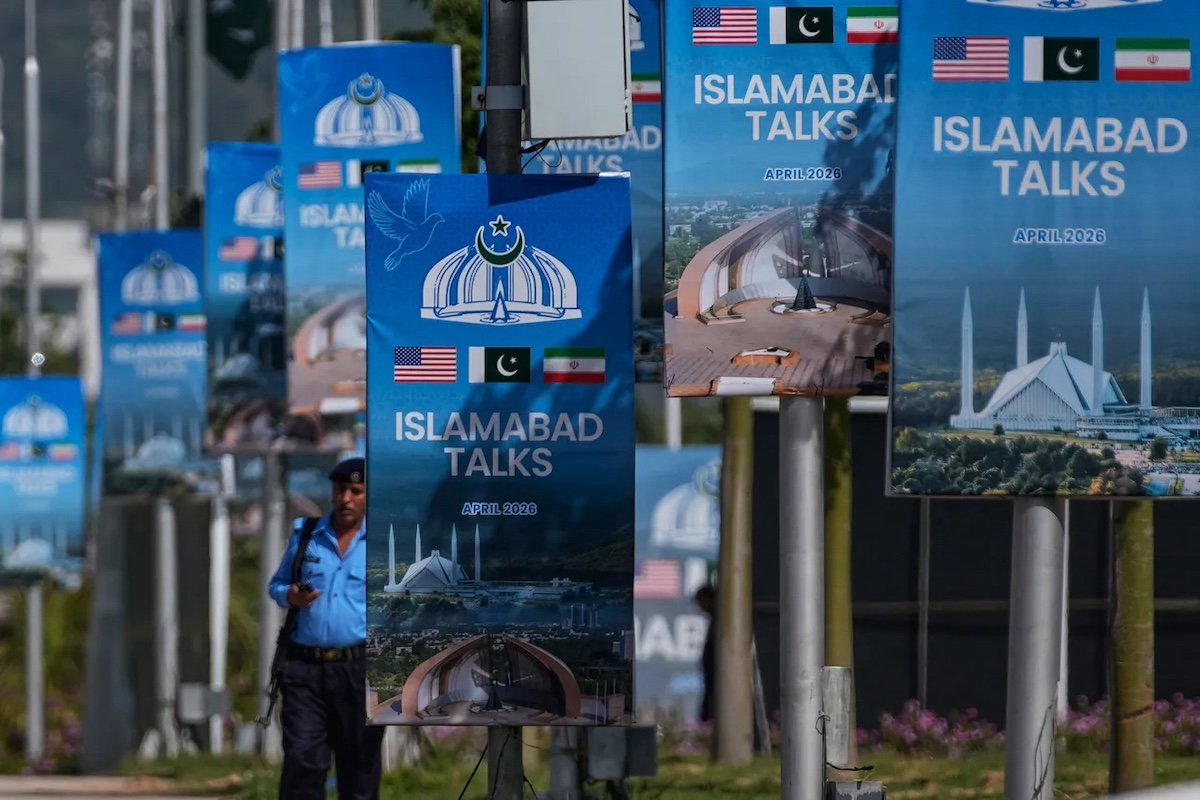
The recent crisis beyond Netanyahu underscores this point. Israeli operations in Lebanon and Gaza have repeatedly tested US patience, with Washington struggling to balance support for Israel with broader diplomatic goals, including the Iranian peace talks in Switzerland. Each incident widens the gap between rhetoric and reality.
For Asian policymakers, the lesson is clear: the US-Israel relationship, while still strong, is no longer immune to structural pressures. As America rebalances toward the Indo-Pacific, its Middle Eastern commitments may become more conditional. This could create opportunities for China to deepen ties with regional players, from Iran to the Gulf states, further complicating the strategic landscape.
The bond between Washington and Jerusalem is not broken, but it is cracking. The ritual reassurances will continue, but the underlying trends—in American politics, grand strategy, and global power shifts—suggest that the gap will only widen. For Israel, and for Asia, the era of unquestioned US commitment may be drawing to a close.