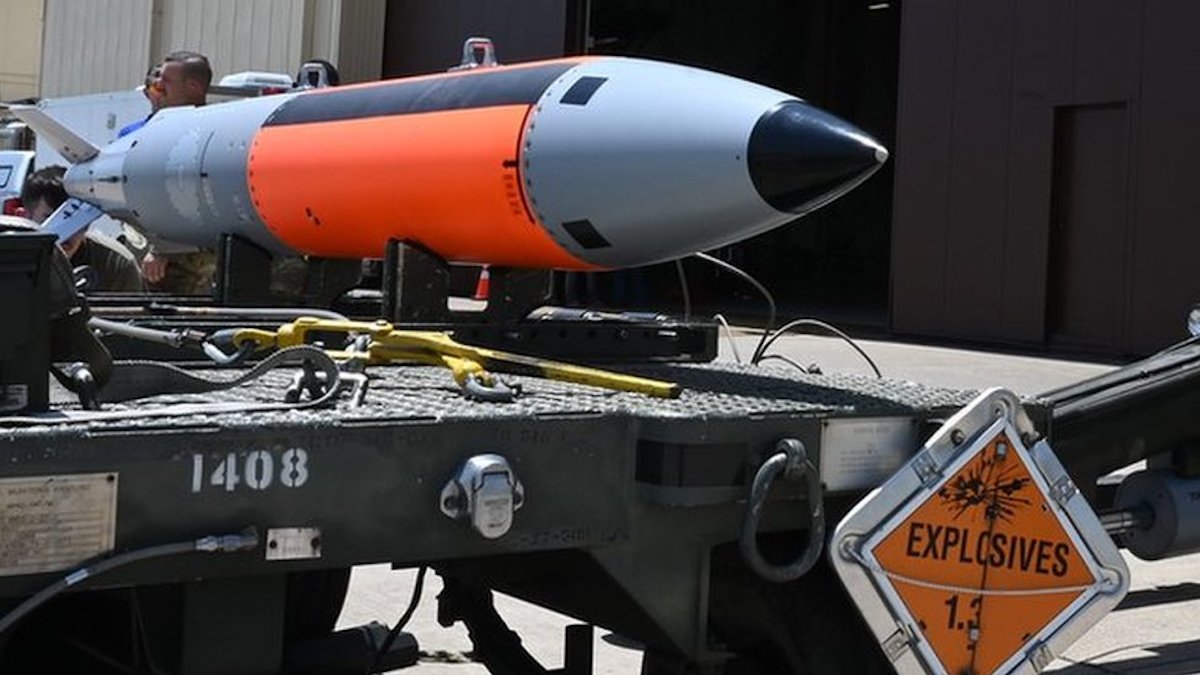
The United States is reassessing its nuclear strategy, driven by a growing gap between its arsenal—overwhelmingly composed of long-range strategic weapons—and adversaries that appear ready to use limited nuclear force. This month, the Department of Defense confirmed a review of nuclear employment guidance, with Undersecretary of Defense for Policy Elbridge Colby citing the need for “rational nuclear options” in potential regional conflicts with China or Russia.
Admiral Richard Correll, head of US Strategic Command, explained that while declaratory policy remains unchanged, the military seeks “escalation maneuver” space across non-kinetic, conventional, and limited nuclear domains. The review, which will remain classified, reflects long-standing concerns that the US lacks proportional non-strategic responses to low-yield warhead developments abroad.
A strategic-heavy posture
According to March 2026 data from the Bulletin of the Atomic Scientists, the US deploys 1,770 warheads, of which approximately 1,670 are assigned to the strategic triad—land-based intercontinental ballistic missiles, submarine-launched ballistic missiles, and strategic bombers. Only 100 tactical gravity bombs, stationed in Europe, constitute the non-strategic arsenal. Modernization priorities, including the Sentinel ICBM, Columbia-class submarines, and B-21 Raider bombers, further emphasize strategic forces.
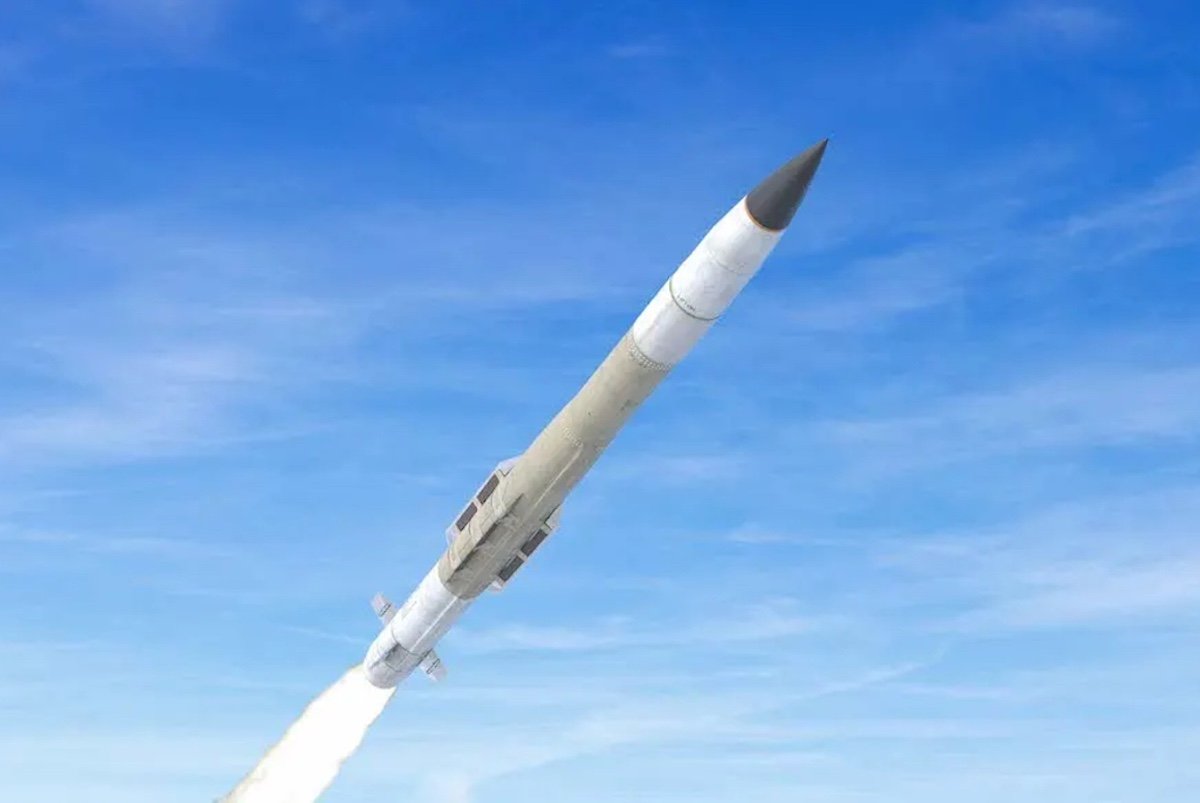
This heavy reliance on strategic weapons leaves the US with a difficult binary in a limited nuclear conflict: either refrain from a nuclear response or escalate to a strategic exchange. Tactical nuclear weapons, such as those deliverable by dual-capable aircraft or cruise missiles, offer a more scalable signaling option. However, their use can blur the line between conventional and nuclear operations, raising the risk of inadvertent escalation.
China's buildup and the Taiwan factor
China's nuclear modernization is a key driver of the US review. Although Beijing maintains a “no first use” policy, its arsenal has grown to approximately 620 warheads, with expansion of silo-based ICBMs, new submarine-launched missiles, and air-launched systems. Projections suggest China could exceed 1,000 warheads by 2030. In a conflict over Taiwan, China might use increasingly severe nuclear signals—from missile tests to demonstrative detonations—to deter intervention or stave off defeat.
Japan's evolving nuclear discourse adds another layer. Defense Minister Shinjiro Koizumi broke a long-standing taboo by calling for public discussion of nuclear weapons' role in national security. Prime Minister Sanae Takaichi has advocated reviewing Japan's “no entry” policy, possibly alluding to a nuclear-sharing arrangement with the US. Japan's significant plutonium stockpile and its laser fusion research at Osaka University could provide a “virtual” testing capability, further complicating regional dynamics.
Russia remains a nuclear peer competitor, with its threats during the Ukraine war underscoring the escalatory stakes. As the US weighs its options, the review's outcome will shape deterrence and crisis stability across the Indo-Pacific. For more on regional security dynamics, see contrasting approaches to strategic competition and Russia's technological adaptations in conflict.