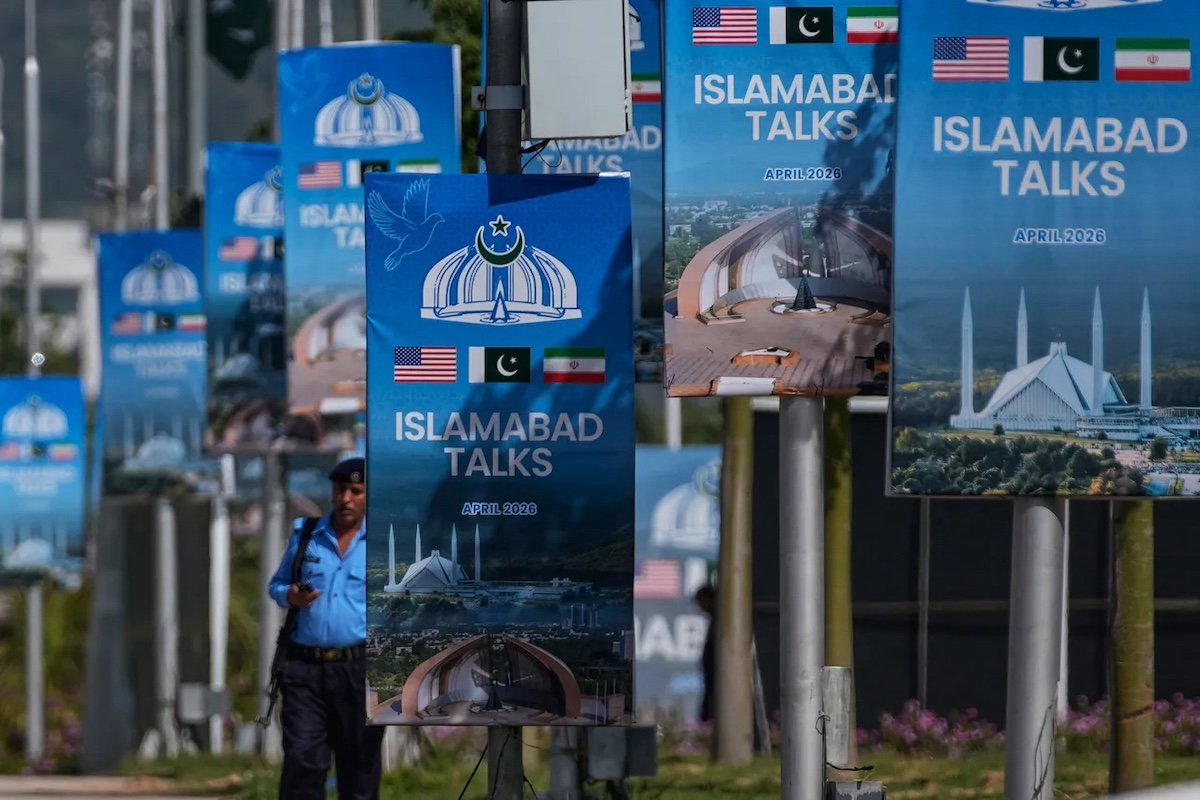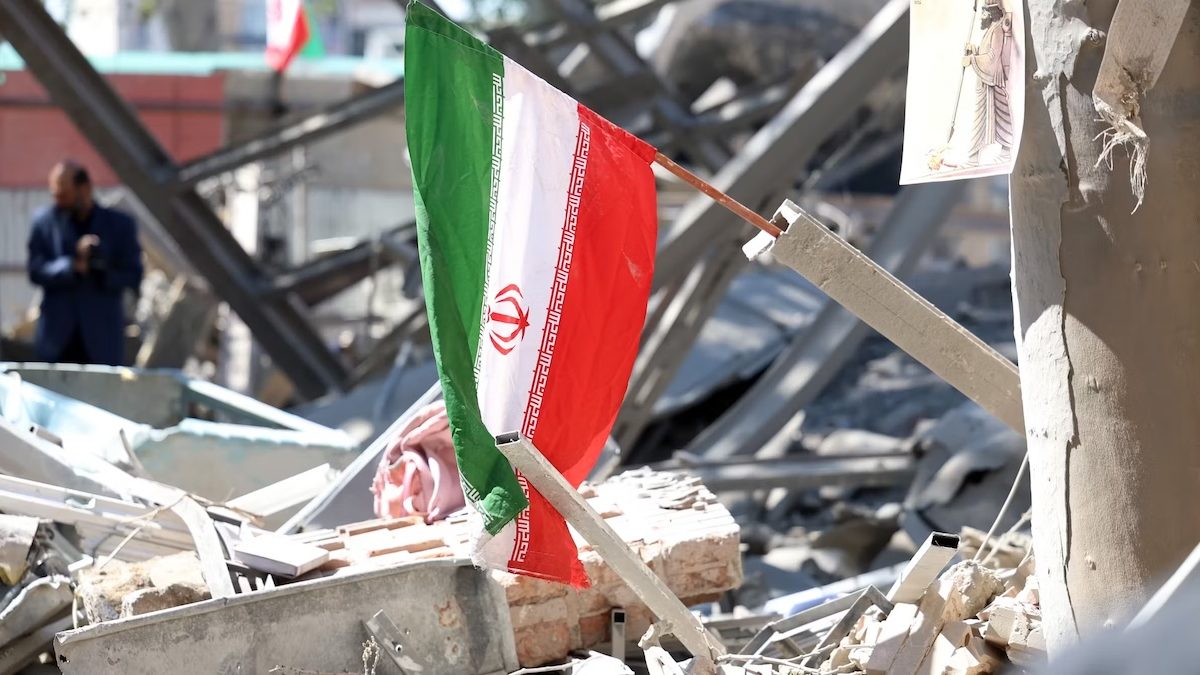
The 14-point memorandum of understanding signed by President Donald Trump and Iranian leaders has drawn sharp criticism from analysts who see it as a lopsided arrangement favoring Tehran. While Trump touts the deal as a diplomatic victory, a close reading suggests Washington has traded substantial leverage for vague commitments that Iran had already made before the war.
Key Concessions and Their Implications
Lebanon Ceasefire Without Key Parties
The MOU declares an immediate and permanent end to military operations on all fronts, including in Lebanon. However, the document does not mention Israel or Hezbollah, the two primary belligerents in that conflict. Israeli Prime Minister Benjamin Netanyahu faces domestic pressure to maintain operations in southern Lebanon, making a full withdrawal unlikely. A temporary ceasefire may hold, but the underlying tensions remain unresolved.
Strait of Hormuz: A 60-Day Window
Iran commits to ensuring safe passage for commercial vessels through the Strait of Hormuz for 60 days without charge. After that period, Tehran could impose fees, effectively granting it a future revenue stream from global oil shipments. This puts Gulf states such as Saudi Arabia, the United Arab Emirates, and Oman in a precarious position. They may choose to pay Iran for security rather than risk renewed disruptions to their energy exports.
Reconstruction Fund: A Lever for Tehran
The US pledges to work with regional partners to develop a $300 billion reconstruction and economic development plan for Iran. Washington is unlikely to contribute directly, leaving Gulf states as the primary financiers. Iran can now pressure these countries to fund its recovery, threatening to block the Strait of Hormuz or resume attacks if they do not comply. For Gulf states, paying the reconstruction fund may appear cheaper than enduring further economic damage from Iranian aggression.
Sanctions Relief and Frozen Assets
The US promises to terminate all sanctions against Iran, including those imposed by the United Nations Security Council and the IAEA Board of Governors, and to release frozen assets. However, Washington can only unilaterally lift its own sanctions and release assets held in the US, which represent a small fraction of Iran's total frozen funds. Delivering on the broader promises would require coercing allies, a move that has not been coordinated with them.
Nuclear Commitments: Minimal Progress
Iran reaffirms its commitment not to develop nuclear weapons, a pledge it had already made before the war. The MOU requires Iran to dilute its enriched uranium under IAEA supervision but does not prohibit uranium enrichment for civilian purposes. This omission suggests Tehran successfully defended its enrichment program as a red line. The only concrete step is the dilution of existing stockpiles in exchange for sanctions relief.
Regional Fallout
The deal leaves Israel's security interests unaddressed and abandons the Persian Gulf states that have been under direct Iranian threat. Gulf countries, while still reliant on US military protection, are likely to seek closer ties with China to diversify their partnerships. The MOU also fails to address the plight of the Iranian people, who have faced severe economic hardship under sanctions.
For a deeper look at the full text of the agreement, see Full Text of US-Iran MOU Revealed as Trump Justifies Ending War. The growing rift between Trump and Netanyahu over the deal is explored in Trump and Netanyahu at Odds Over Iran Deal as Lebanon Stalemate Deepens.
In essence, the MOU provides Iran with significant economic and political gains while requiring few new commitments. The US has given up leverage that took years to build, and the region's stability remains fragile. As Gulf states recalibrate their strategies, the Indo-Pacific balance of power may shift, with implications for energy security and great-power competition.