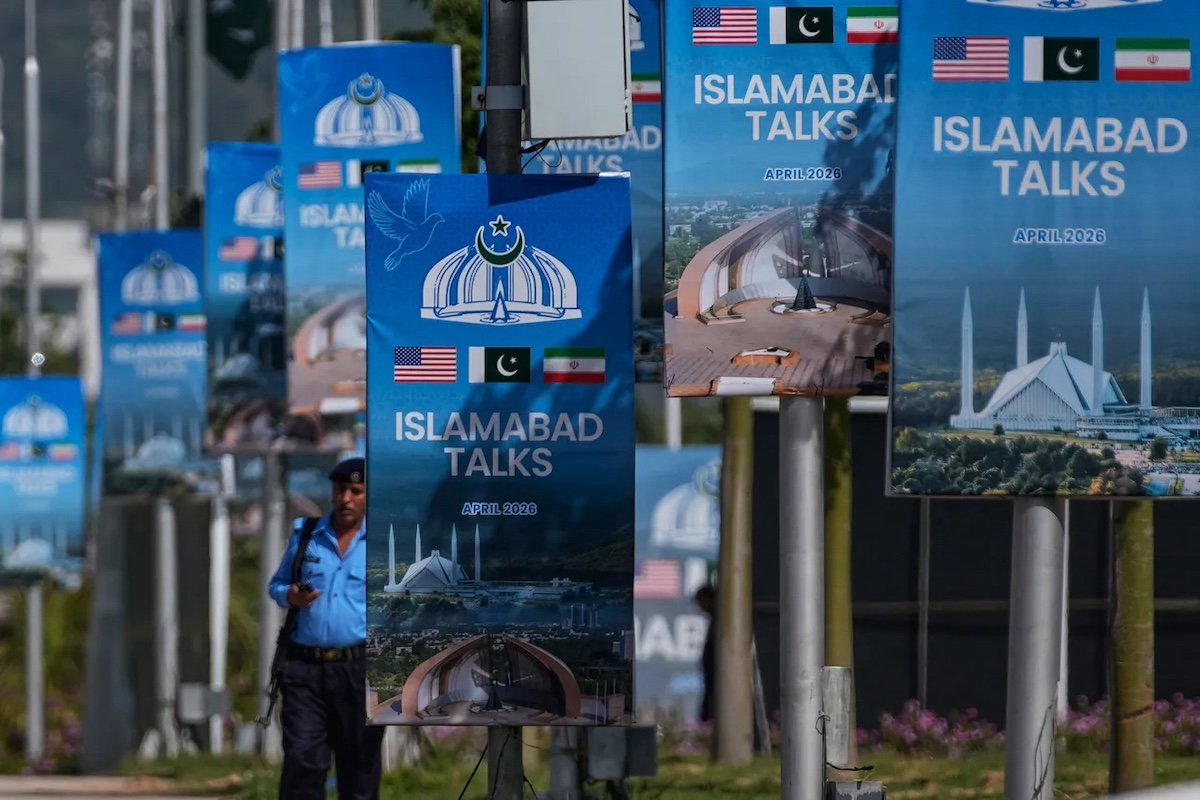
Foreign policy analysts and peace advocates expressed relief Wednesday as the Trump administration released the full text of the memorandum of understanding (MOU) that could end the US-Israeli war on Iran. The agreement, reached this week between US and Iranian negotiators, declares an immediate and permanent cessation of military operations on all fronts, including in Lebanon, where Israeli forces have killed more than 3,600 people since early March.
The MOU grants a 60-day window to finalize terms, during which Iran will maintain the status quo of its nuclear program—which Tehran has consistently stated is for civilian purposes. The United States commits to imposing no new sanctions and deploying no additional forces in the region. A $300 billion reconstruction fund for Iran, where US and Israeli attacks have destroyed or damaged over 100,000 housing units along with schools, hospitals, and bridges, has drawn criticism from some Democratic lawmakers in Washington, DC.
Trump's G7 Remarks Undermine War Narrative
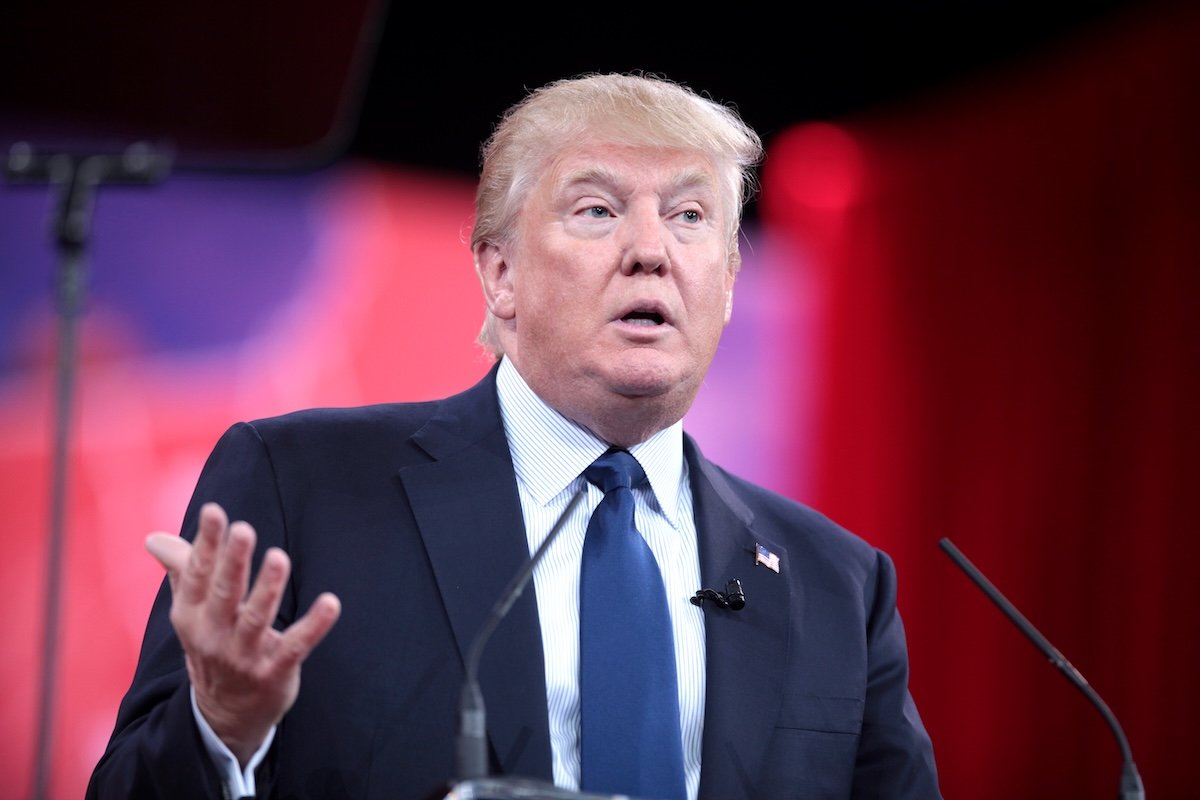
At the Group of Seven summit in France, President Donald Trump addressed questions about how the MOU would prevent Iran from developing a nuclear weapon—the stated objective of the conflict. He issued a threat to “bomb them” if Iran reneges, but then acknowledged a point long argued by war opponents: “It is a little hard though, when you say that somebody wants it, other people have it, other adjoining states have it, and you’re not letting them have it for purposes of electricity and things like that.”
Trump also noted that neighboring countries possess ballistic missiles, which Iran has long insisted it is entitled to for national security. Matt Duss, executive vice president at the Center for International Policy, called these “things it would’ve been great to figure out before you started a war over them.” Danny Citrinowicz, a Middle East policy expert, said: “It may have taken a long, costly, and complicated conflict, but the United States appears to have arrived at a conclusion that should have been evident from the start: Iran’s missile program is not negotiable because it sits at the very core of the regime’s security doctrine.”
Citrinowicz added: “Reasonable people can ask whether such a prolonged conflict was necessary to reach this conclusion. Yet it is better to recognize strategic realities late than never at all.”
Ryan Costello, policy director at the National Iranian American Council, rejected portrayals of the deal as a US surrender. “The core terms of the agreement are either mutually beneficial or have significant upside, even the ones being decried, denounced, and misportrayed,” he wrote. “Time will tell if this memorandum can survive the caustic politics in Washington and Tehran… Yet, what has been started is not a threat to American security, it is a threat to the Washington mindset that any US-Iran outcome is ultimately zero-sum.”
The MOU text includes commitments to respect each other’s sovereignty, refrain from interference, and begin lifting the naval blockade within 30 days. Trump suggested the Friday signing could still fall through and threatened to resume bombing if Iran does not “behave.” He said he will take credit if the deal holds and blame Vice President JD Vance if it does not.
For the Indo-Pacific, the end of this conflict carries significant implications. Iran’s energy exports and regional stability affect markets from Tokyo to New Delhi. As the US-Iran peace deal shakes China's energy calculus, Beijing will need to recalibrate its dependence on Middle Eastern oil. Meanwhile, how Iran turned the tables on Trump and Israel offers a case study in asymmetric leverage that resonates across Asia.