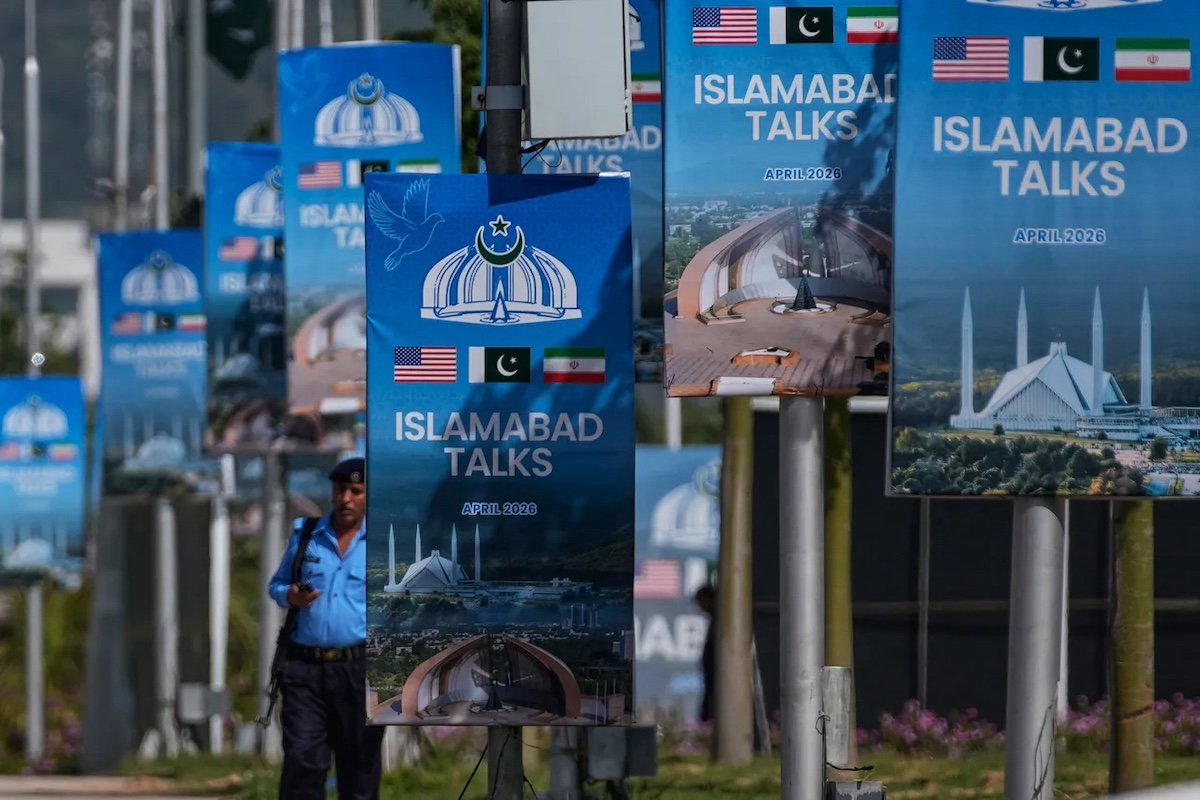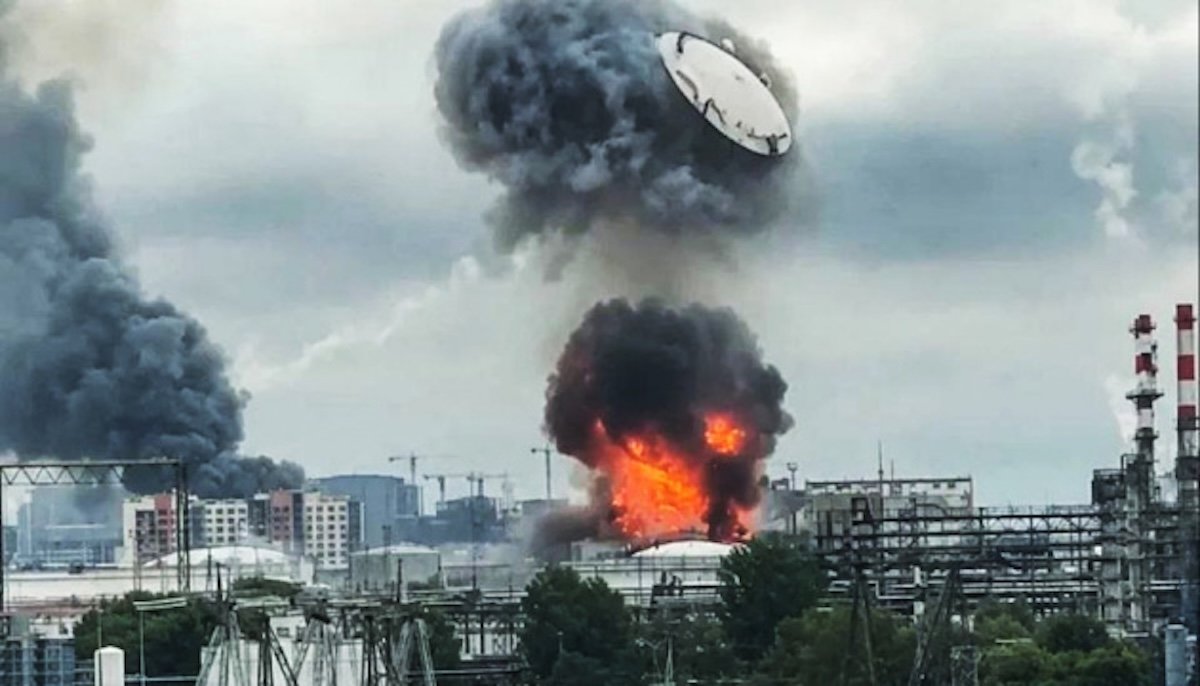
The latest round of US-Iran military confrontation appears to have concluded, with Washington declaring success, Tehran claiming victory, and Israel insisting it retains the right to strike Hezbollah. Yet beneath the surface of this fragile pause, contradictions abound. Iranian officials assert that de-escalation in Lebanon was part of the deal; Israeli leaders flatly deny it. To many observers, these mixed signals suggest confusion or bad faith, but after decades studying conflict resolution, I recognize them as signs that negotiations are working—at least on the surface. The real danger lies in what the agreement deliberately omits.
A Five-Level Game
Political scientist Robert Putnam famously described diplomacy as a two-level game, where leaders negotiate simultaneously with foreign counterparts and domestic audiences. The US-Iran ceasefire, however, resembles a five-level game. Washington must satisfy not only Tehran but also Israel, Congress, Arab partners like Saudi Arabia and the United Arab Emirates, and European allies. Tehran, meanwhile, must appease Supreme Leader Ayatollah Mojtaba Khamenei, the powerful Islamic Revolutionary Guard Corps, a public weary of sanctions, and strategic partners Russia and China.
Every concession at the table must be sold to constituencies not present. That explains the contradictory messaging: each side talks past its rival to its own people. Washington frames sanctions relief as reversible; Tehran emphasizes its sovereignty; Israel advertises its freedom to act. These contradictions are not signs of collapse but of careful domestic positioning.
What the Deal Leaves Out
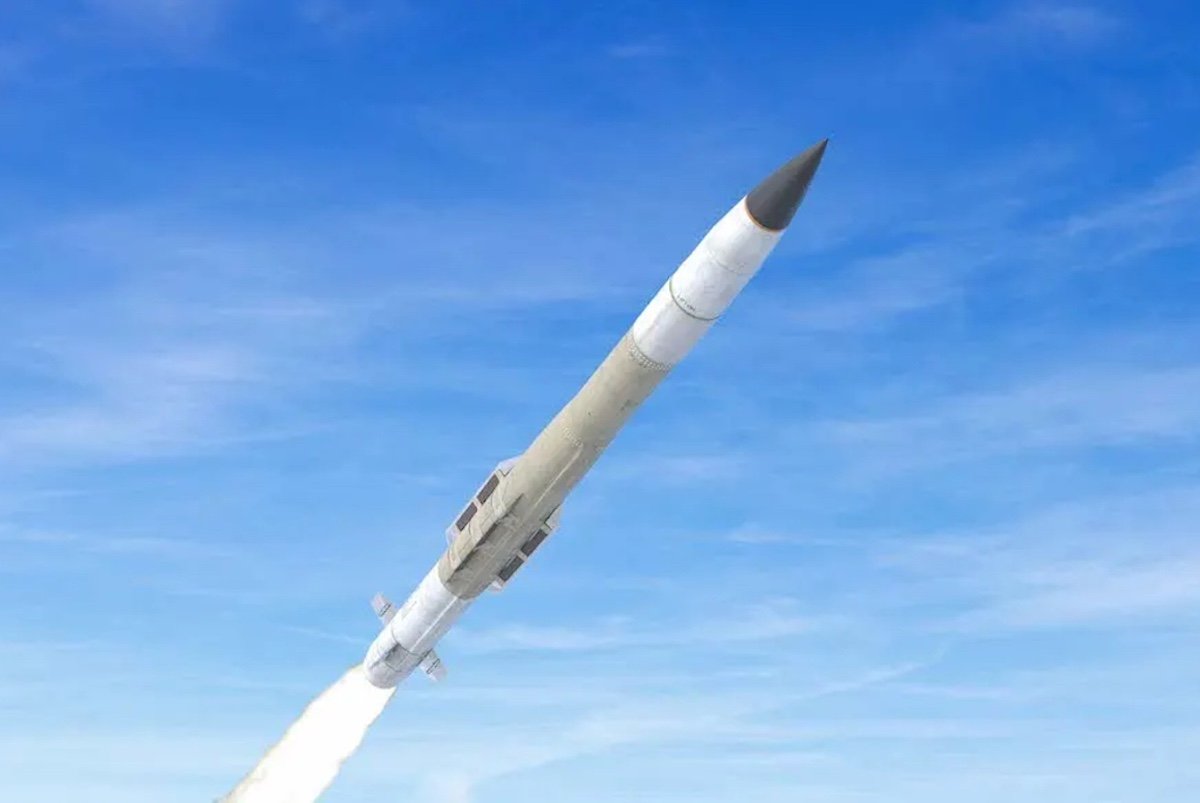
The ceasefire's most glaring omission is the nuclear issue. Iran's uranium enrichment program, now at near-weapons-grade levels, remains unaddressed. The deal also fails to constrain Iran's ballistic missile development or its support for proxy forces across the Middle East, including Hezbollah in Lebanon and Houthi rebels in Yemen. For Asian nations heavily reliant on Gulf oil—Japan, South Korea, India, and China—this creates a deferred crisis. Any future escalation could spike energy prices and disrupt supply chains, as Trump's Iran Ceasefire: A Deferred Crisis That Reshapes Asian Energy Security explores in depth.
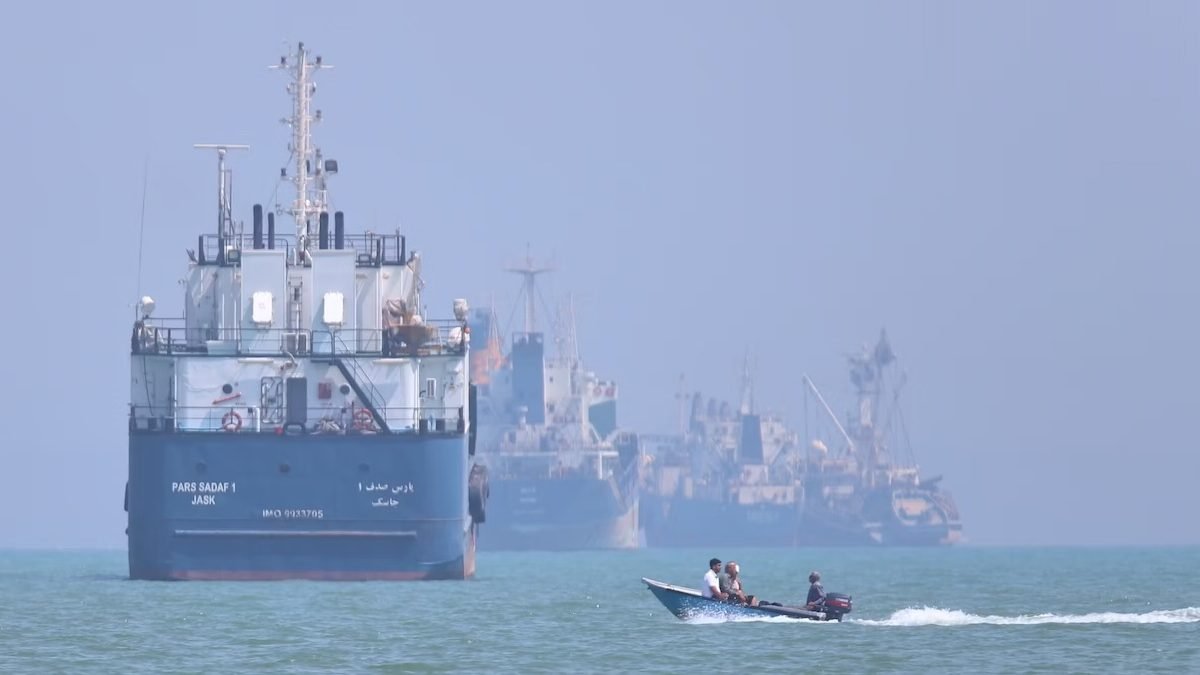
Moreover, the agreement does not address the gray-zone conflicts that have defined US-Iran tensions for years: cyberattacks, naval harassment in the Strait of Hormuz, and proxy warfare in Iraq and Syria. As US-Iran Deal Pauses War but Risks Return to Gray-Zone Conflict notes, such low-intensity confrontations could resume without triggering a formal breach of the ceasefire.
Implications for Asia
For the Indo-Pacific, the stakes are high. India imports over 80% of its crude oil, much of it from the Gulf. Japan and South Korea are similarly dependent. A renewed US-Iran crisis would force these countries to scramble for alternative supplies, likely at higher costs. China, as Iran's largest oil customer and a key diplomatic ally, faces a delicate balancing act: supporting Tehran without alienating Washington or its own Gulf partners.
The deal also reshapes the regional power dynamics. Iran emerges diplomatically strengthened, having secured a pause without conceding on its core programs. This could embolden its posture toward Gulf states, many of which have normalized ties with Israel under the Abraham Accords. For Southeast Asian nations like Indonesia and Malaysia, which maintain diplomatic relations with both Iran and the US, the ceasefire offers temporary relief but no long-term clarity.
The Price of Ambiguity
The agreement's deliberate ambiguity may be its greatest weakness. By leaving key issues unresolved, it kicks the can down the road, risking a more dangerous crisis later. As US-Iran Framework Agreement: A Pause, Not a Peace argues, this is a pause, not a peace. The nuclear question, in particular, looms large. If Iran continues its enrichment activities, Israel may feel compelled to strike, drawing the US into a wider conflict that would reverberate across Asia.
For now, the ceasefire holds. But the gaps in the deal—nuclear, missile, proxy, and energy security—remain ticking time bombs. Asian policymakers would be wise to prepare for the next phase, not assume the current calm will last.