There is a certain irony in seeing some of the world's richest countries quietly ask the United States for financial relief. For decades, the Gulf monarchies cultivated an image of inexhaustible wealth: sovereign funds the size of nations, skylines raised from desert sands, and hydrocarbon revenues so vast that deficits seemed like a problem for lesser states.
Yet history has a habit of humiliating assumptions. Wealth can evaporate into illiquidity. Rich countries, too, can run short of cash. And when the global system tightens, they often discover that real power still resides not in oil wells, but in the printing press of the US dollar. That appears to be the logic behind recent discussions over currency swap lines between Washington and several Gulf states, particularly the United Arab Emirates.
What Currency Swap Lines Mean
A currency swap line is one of the least understood but most consequential tools in international finance. It allows a foreign central bank to temporarily exchange its currency for US dollars from the US Federal Reserve, then reverse the transaction later. No grants. No bailout in the theatrical sense. Merely emergency liquidity. But in moments of crisis, liquidity is everything.
Ask Britain in 1931, when sterling's weakness exposed the fragility of imperial finances. Ask South Korea in 2008, when dollar shortages intensified panic during the global financial crisis until the Federal Reserve restored calm with its swap lines. Ask Europe in 2020, when pandemic-era disruptions again made the dollar scarce, forcing the Fed to reopen facilities to allied central banks. In each case, the issue was not long-term solvency. Immediate access to currency lubricates global trade. And that currency remains the dollar.
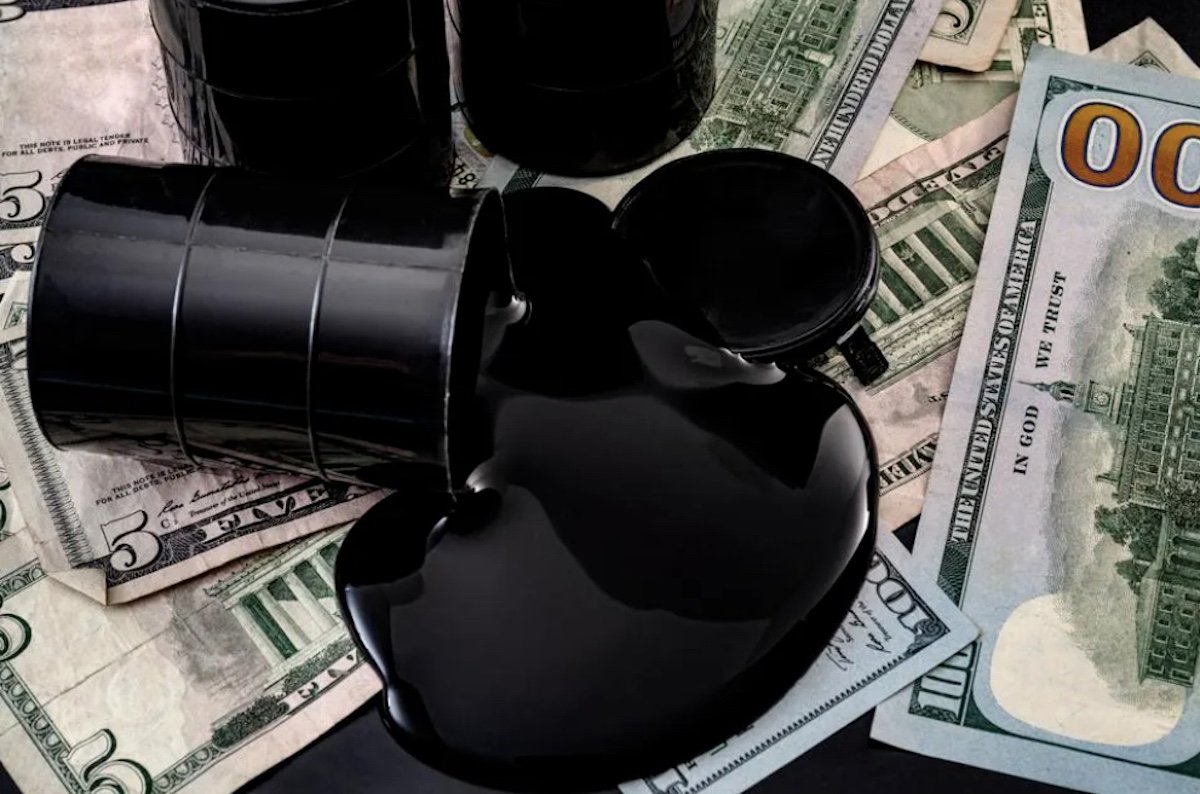
The Gulf economies understand this better than most. Their oil exports are priced overwhelmingly in dollars. Their currencies are formally or informally pegged to the dollar. Their reserves are invested heavily in dollar assets. Their domestic banking systems depend on dollar flows. Remove those flows long enough, and even states with large balance sheets begin to feel strain. This is where geopolitics enters the ledger. Any conflict that disrupts shipping lanes in the Gulf — especially through the Strait of Hormuz — threatens not only energy supply but the monetary architecture built around it. A prolonged interruption in exports means fewer incoming dollars, rising pressure on pegs, tighter domestic liquidity, and nervous markets. It does not take insolvency to produce instability. It takes uncertainty.
So the Gulf states are behaving rationally by seeking insurance. The more interesting question is whether the United States should be the one to provide it. Certainly, there is a strong argument in favor. If Washington wants to preserve the dollar's leading global role, it must occasionally act as the system's steward. Reserve currency status is not maintained by speeches about American greatness. It is maintained by reliability. Nations hold dollars because they trust that in moments of stress, dollar markets will function and America will not weaponize access capriciously. That was one lesson of the 2008 global financial crisis. The Federal Reserve's swap lines did more than calm markets; they reaffirmed US centrality. At a time when many predicted American collapse, the crisis instead reminded the world that when panic strikes, everyone still runs for the dollar.
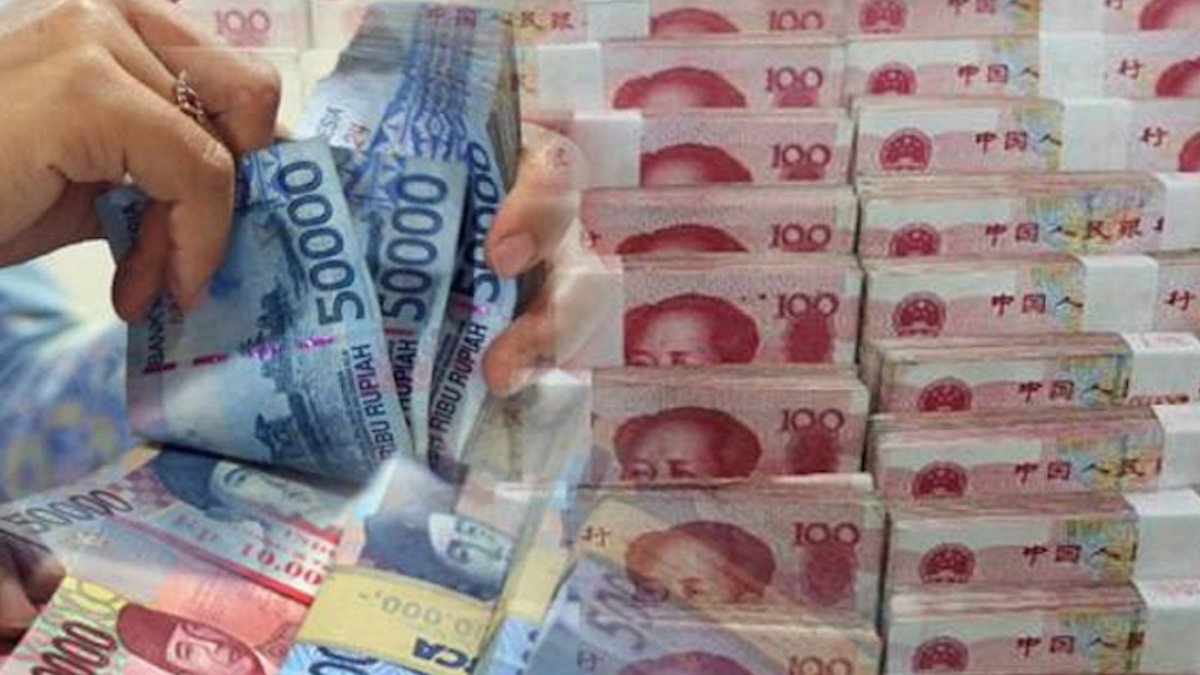
Today's Gulf swap requests present a similar opportunity. By extending temporary swap facilities to key partners, Washington could reinforce alliances, stabilize markets, and discourage a drift toward alternative payment systems dominated by Beijing. Every time a country doubts access to dollars, it has an incentive to experiment with yuan settlements, gold mechanisms, or regional clearing systems. None can yet rival the dollar. But erosion rarely begins dramatically. It begins gradually through hedging. As geopolitical tensions in the Middle East reinforce the US dollar's global dominance, the stakes for both sides are high.
Still, caution is warranted. Swap lines are not costless diplomatic favors. To grant one is to imply institutional trust, policy confidence, and strategic closeness. Historically, the US Federal Reserve has reserved permanent swap lines for a narrow club: major advanced economies such as the eurozone, Japan, Britain, Canada, and Switzerland. Extending such privileges more broadly raises questions of precedent. If the UAE receives one, why not Saudi Arabia? If Saudi Arabia, why not Turkey? If Turkey, why not every strategically useful but financially pressured partner? Soon, a prudential instrument risks becoming a geopolitical bargaining chip.
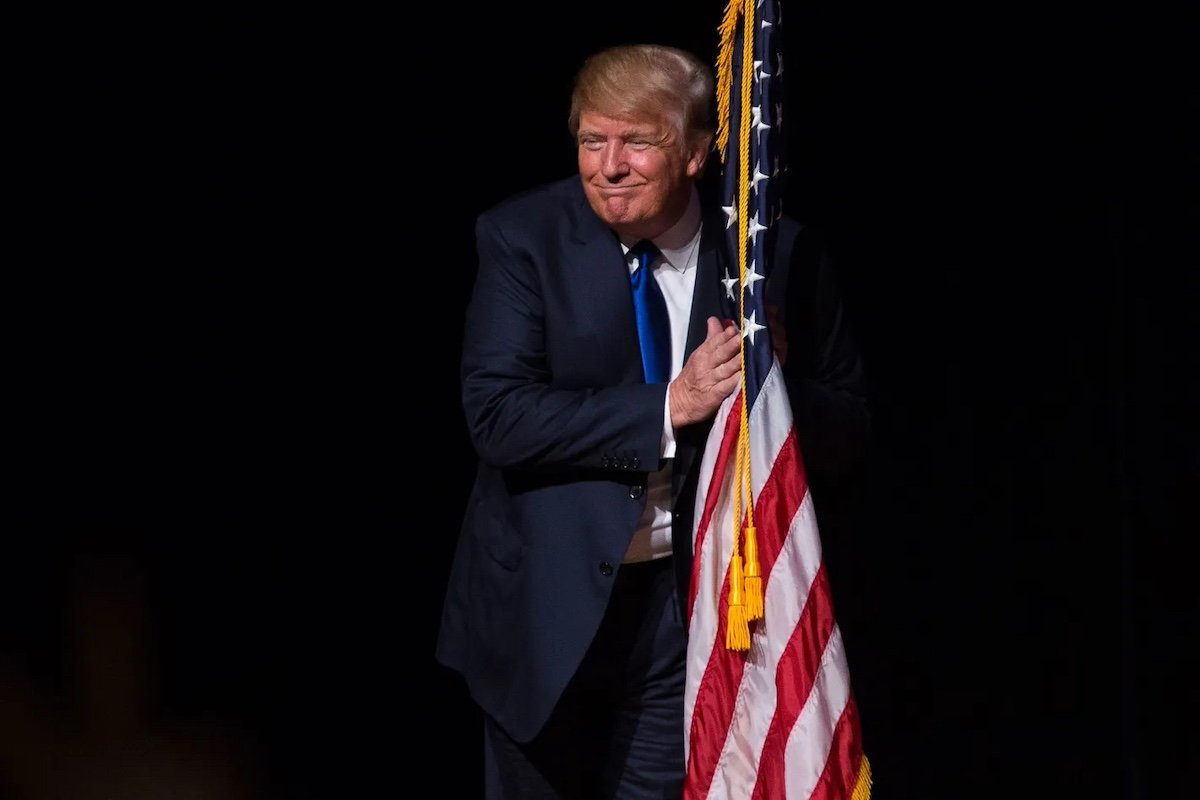
There is also the moral hazard problem. States that assume Washington will provide dollar liquidity may take greater external risks, maintain rigid pegs longer than prudent, or neglect domestic reforms. One reason financial crises can be so cleansing is that they expose and break entrenched bad habits. Easy rescues can preserve them. Then there is the Trump factor. Donald Trump's instinct in foreign policy has often been transactional: allies are clients, commitments are leverage, and economics is theater. That can produce tactical wins, but it rarely builds durable trust. If swap lines are handled as political favors — granted to flatterers, withheld from critics, and linked to unrelated concessions — they cease to be stabilizing instruments and become yet another source of uncertainty. Markets dislike uncertainty more than they dislike bad news.
A neutral observer might conclude that both sides are trapped by the same reality. The Gulf states dislike dependence on Washington, yet need access to the system America anchors. The US dislikes underwriting wealthy partners, yet benefits from the very dependence it complains about. Each resents the other's leverage while relying on it. That is the essence of empire in its late-modern form: not colonies, but balance sheets. The wiser course for Washington would be conditional generosity in the form of temporary, transparent swap lines tied to policy commitments — not open-ended favors. For the Gulf states, the lesson is equally clear: even the richest oil sheikhdoms cannot escape the dollar's gravitational pull. As the Japanese yen nears 160 to the dollar, the greenback's strength is a global reality that shapes markets from Tokyo to Abu Dhabi.