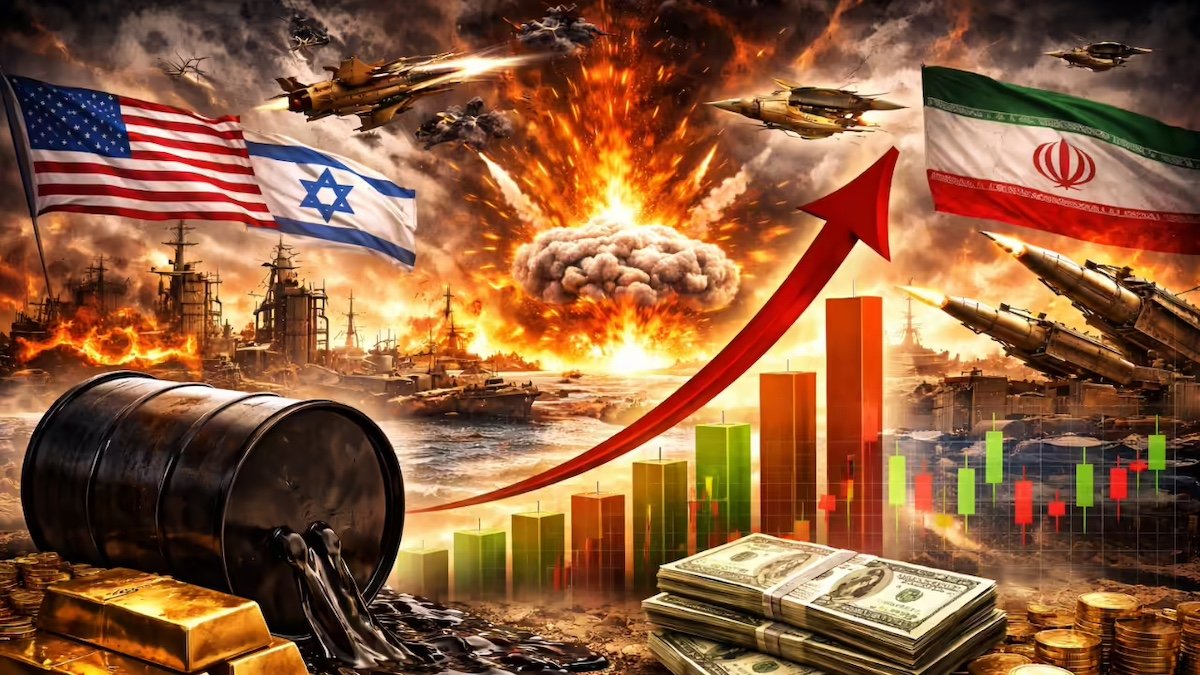
Escalating military tensions in the Middle East have triggered a classic flight to safety in global financial markets, with capital flowing decisively toward the United States dollar. The prospect of a protracted conflict involving Iran, Israel, and the United States has reminded investors and policymakers of the greenback's unrivaled status as the world's premier reserve and safe-haven currency, a dynamic with immediate consequences for economies across the Indo-Pacific.
Dollar Strength Amidst Regional Instability
The immediate trigger for this shift has been a series of military exchanges and the threat of a broader regional war. As analysis suggests the US-Iran-Israel conflict is likely to settle into a protracted stalemate, the uncertainty has driven a predictable market response. Investors are converting assets into dollars and US Treasury bonds, perceived as the most secure holdings during international crises. This demand has bolstered the dollar's exchange rate against a basket of global currencies.
This trend presents a complex challenge for Asian central banks and finance ministries. A stronger dollar typically increases the cost of servicing dollar-denominated debt and can lead to capital outflows from emerging markets. For major Asian importers of energy and commodities—like Japan, India, and South Korea—a robust dollar also makes crucial imports more expensive, potentially fueling inflation.
The situation is particularly acute for Japan, where the yen has weakened significantly. The currency's slide toward 160 yen to the dollar has traders speculating about a historic drop to 200, a level that would dramatically alter the cost dynamics for Japanese exporters and importers alike. The Bank of Japan now faces intensified pressure as it balances domestic stimulus needs against the inflationary import of a weak currency.
Strategic Implications for Asian Energy and Security
Beyond currency markets, the crisis underscores deep strategic dependencies. The Strait of Hormuz, a critical chokepoint for global oil shipments, remains a focal point of US-Iran tensions. Any significant disruption there would have an outsized impact on Asian economies, which are the world's largest consumers of Middle Eastern crude. This reality strains alliances and reshapes Asian energy security calculations, pushing countries to diversify suppliers and build strategic reserves.
The military dimension of the conflict also highlights evolving defense economics. The asymmetry in warfare costs, where the US military employs million-dollar missiles to counter Iran's cheap drones, is a scenario watched closely by defense planners in Seoul, Tokyo, and Taipei. It informs their own procurement strategies and assessments of regional deterrence.
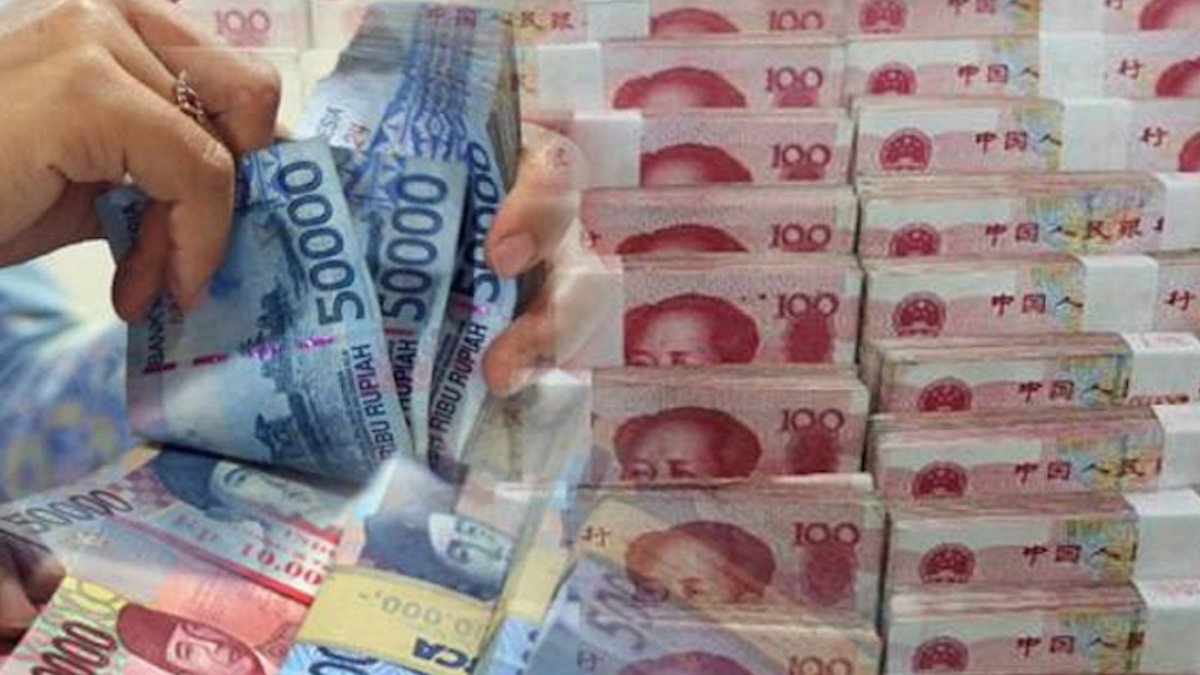
For China, the dollar's renewed strength is a double-edged sword. It complicates Beijing's efforts to promote the international use of the yuan, or renminbi, as an alternative reserve currency. While some analysts argue that the petroyuan's rise will be driven by geopolitical crises, not gradual shifts, the immediate market reaction demonstrates the immense inertia favoring the incumbent dollar system. Beijing's long-term financial statecraft must contend with this persistent reality.
In India, policymakers under Prime Minister Narendra Modi are navigating the spillover effects. A strong dollar affects the rupee, influences foreign investment flows, and impacts the cost of India's substantial energy imports. The government's fiscal and monetary responses will be critical in insulating the domestic economy from excessive volatility.
The current crisis serves as a stark reminder that the dollar's dominance is underpinned not just by the size of the US economy, but by its perceived political stability and the depth of its financial markets during times of global stress. While initiatives to create alternative financial ecosystems continue, their progress is measured in decades, not news cycles. For now, the dollar remains the ultimate port in a storm.
This reaffirmation of dollar hegemony also has domestic political ramifications in the United States, which can indirectly affect Asia. The Federal Reserve's independence in setting monetary policy becomes even more scrutinized when the dollar is under global spotlight. Questions about how a Fed nominee might respond to political pressure, as seen in debates over a nominee's independence pledge facing scrutiny, are watched closely by Asian finance ministries for signals about future US inflation and interest rate trajectories.
Ultimately, the flight to the dollar amid Middle Eastern conflict is a powerful short-term phenomenon with long-term implications. It reinforces existing global financial structures just as many Asian nations seek a greater voice in international economic governance. The episode demonstrates that any meaningful shift away from dollar centrality will require not only the cultivation of alternatives, but also a world markedly less prone to the kinds of crises that send investors rushing back to the safety of US assets.