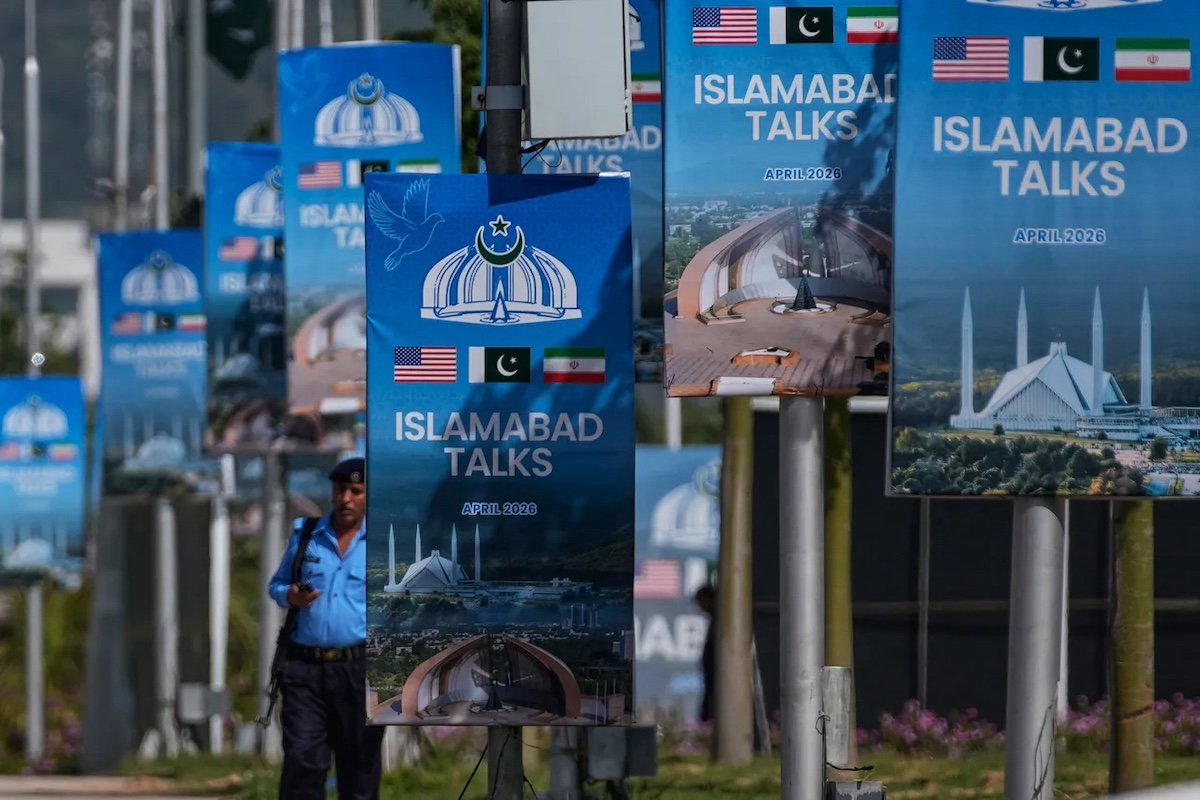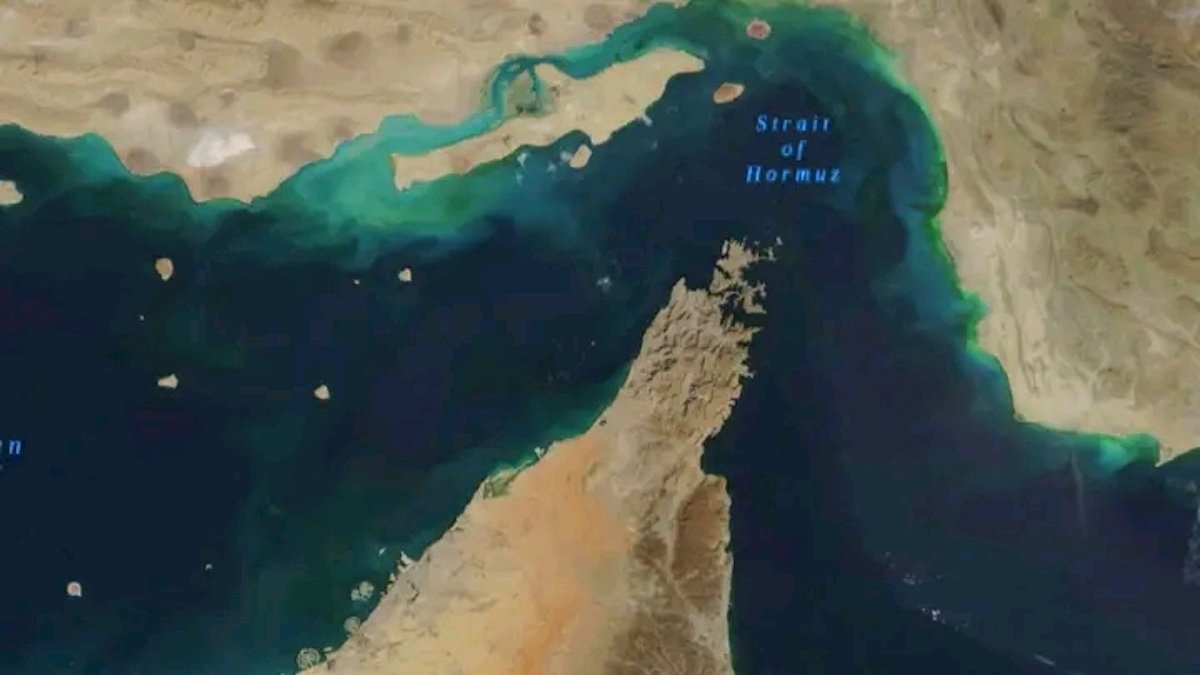
In the spring of 2026, the United States finds itself in a familiar and costly predicament in the Persian Gulf. A naval blockade of Iranian ports and a tense standoff over the Strait of Hormuz have created a strategic impasse, with Washington dispatching envoys to capitals like Islamabad in search of a diplomatic off-ramp.
This crisis stems directly from the decision to join Israel's air campaign against Iran in late February, an operation that targeted the country's leadership. The assumption that Tehran would capitulate after such a strike ignored recent history and the regime's declared red lines. Iran's subsequent move to close the Strait of Hormuz was a long-telegraphed response, leveraging its control over the world's most critical maritime chokepoint as its primary strategic card.
A Fragmented International Response
The immediate fallout is global. Approximately one-fifth of the world's oil transits the strait, and the disruption has triggered volatility in energy markets and supply chains. The situation has exposed deep fissures in the international community. European allies, after initially resisting calls from US President Trump for naval support, are now organizing a defensive mission—but only contingent on a sustainable ceasefire. They are, in effect, waiting for Washington to extract itself from the crisis.
Iran has adeptly exploited these divisions. By announcing that ships from China, Russia, India, Iraq, and Pakistan would be permitted transit, Tehran has practiced a form of selective diplomacy. This move rewards friendly nations, penalizes Washington's partners, and successfully fragments any potential unified coalition against it. As reported in our earlier coverage, China is carefully navigating Iran's assertive control over the waterway, balancing its energy needs with its geopolitical stance.
Washington's response has been a mix of maximum pressure and improvised outreach. The elevation of Pakistan as a lead mediator underscores the diplomatic challenges. The administration's public claims that the Iranian government is "seriously fractured" appear more as a justification for strategic delay than a coherent plan.
The Asian Energy Security Imperative
The core strategic reality, often lost in the daily rhetoric, is a shift in energy dependence. The US shale revolution has altered American needs, while the countries most vulnerable to a Hormuz closure are in Asia. China, India, Japan, and South Korea are heavily reliant on hydrocarbons flowing through the strait. Yet the United States is bearing the overwhelming military and political burden of the confrontation.
This dynamic forces a recalculation. The principle of freedom of navigation, championed by the EU's foreign affairs chief as "non-negotiable," remains vital. However, principles alone do not resolve standoffs. Negotiations do, and they require a clear-eyed assessment of interests. A realist approach would suggest the US define a minimal acceptable outcome—guaranteed commercial passage—and pursue it through direct diplomacy with Tehran, potentially trading a lifting of the port blockade for a withdrawal of Iranian controls on the strait.
It would also mean welcoming, not resenting, greater burden-sharing from the nations with the most at stake economically. The current crisis demonstrates that the security of this waterway is a global, not solely American, concern. The looming energy shock from the strait's closure directly threatens Asian economic stability.
The broader damage is already clear. The stalemate is straining trans-Atlantic ties, alienating potential partners in the Global South, and consuming US political capital at a time of competing global priorities. Furthermore, it has handed a geopolitical windfall to Beijing and Moscow, who can position themselves as more stable partners. This comes amid other tensions, as the Hormuz blockade raises stakes ahead of a potential Trump-Xi summit.
The path forward is narrow. It requires disciplined diplomacy focused on the immediate crisis, not broader ambitions. It demands an acknowledgment that the nations of Asia, whose economies are most directly threatened, must have a central role in ensuring the strait's security. Whether Washington can learn this lesson—one offered at great cost in the Middle East for decades—remains the critical, unanswered question.