The United States has escalated tensions in the Persian Gulf by imposing a naval blockade on the Strait of Hormuz, a critical chokepoint for global oil shipments. The move, ordered by President Donald Trump after ceasefire talks with Iran collapsed, aims to counter Tehran's threats to control the strait and levy tolls. This action projects American military power but also places a direct challenge before Beijing, which relies on the waterway for a significant portion of its energy imports.
A Deliberate Avoidance of Confrontation
The blockade's first major test involved the Rich Starry, a Chinese-operated tanker sanctioned by the US for carrying Iranian oil. While the vessel initially appeared set to transit the strait unchallenged, it ultimately turned back in the Gulf of Oman. US officials claim to have turned around six vessels attempting passage. This avoidance of a direct clash indicates Beijing's current reluctance to challenge Washington's red lines, especially with a postponed state visit by President Trump to China looming. Beijing has labeled the US action a "dangerous and irresponsible act."
Analysts suggest this caution, however, could be interpreted as weakness, potentially emboldening Washington to take more assertive measures against Chinese shipping in the future. Yet, any US seizure of a Chinese vessel would carry extreme risk, potentially being viewed by Beijing as an act of economic warfare. While a direct US-China armed clash in the Gulf remains unlikely, China could deploy warships from its naval base in Djibouti, home to the 48th escort group, raising the prospect of a dangerous naval standoff. For more on China's strategic calculations in the region, see our analysis on China Navigates Iran's Assertive Control Over Strait of Hormuz.
Broader Strategic Repercussions for Asia
China's response may extend beyond the Middle East. Beijing could retaliate by providing enhanced military assistance to Iran, such as advanced missiles or drones, leveraging its existing provision of the Beidou satellite navigation system. Alternatively, it might pressure American assets and allies within the Asia-Pacific, a region where some US partners have become more vulnerable due to the redeployment of missile defenses to the Middle East and potential fuel shortages.
The crisis also presents economic opportunities for China. The petroyuan's role in oil transactions, particularly with Iran, could be strengthened, challenging the petrodollar's dominance. Furthermore, a prolonged oil shock could accelerate the global shift to electric vehicles, benefiting Chinese manufacturers like BYD—mirroring the rise of Japanese automakers after the 1970s oil crises. This aligns with a broader trend where Petroyuan's Rise Will Be Driven by Geopolitical Crises, Not Gradual Shifts.
Strategically, Beijing may use the instability to position itself as a more reliable and stable global partner compared to the perceived unpredictability of the Trump administration. A wider US-Iran conflict could further burnish China's image among nations wary of American foreign policy. The underlying dynamics of the US-Iran standoff suggest a Protracted Stalemate is the most likely outcome, offering Beijing a prolonged period to maneuver.
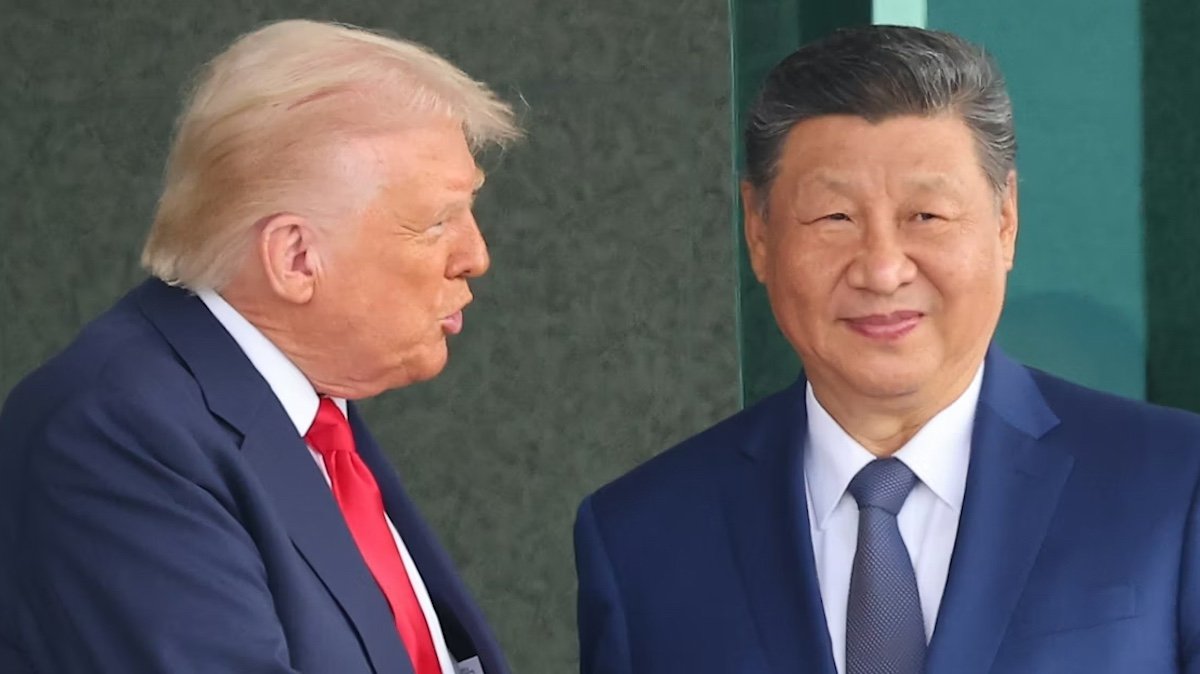
The Hormuz blockade thus sets a complex and tense stage for the upcoming meeting between Trump and Chinese President Xi Jinping. It underscores the deepening strategic competition between Washington and Beijing, where a flashpoint in the Middle East can immediately reverberate across the Indo-Pacific. The path chosen by the Rich Starry may well chart the cautious, yet increasingly contested, course of Sino-American relations.