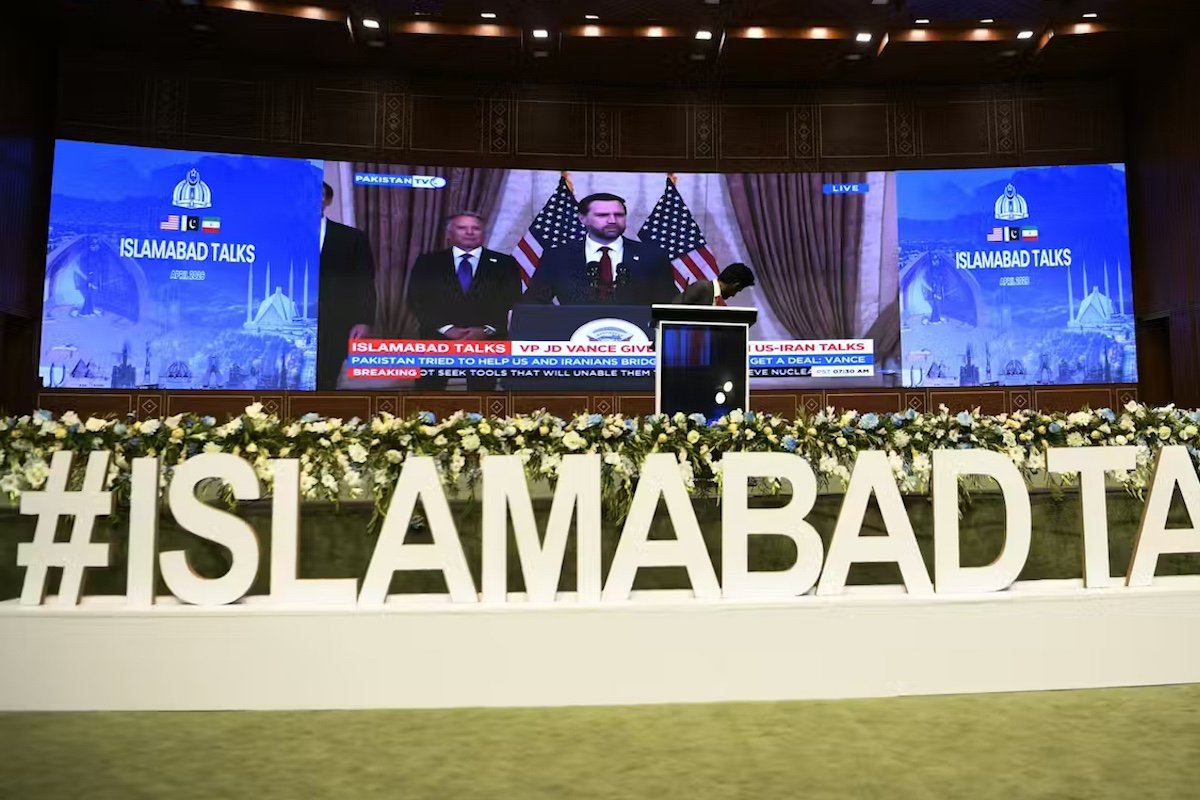
A precarious cessation of major hostilities now exists between the United States, Israel, and Iran. With diplomatic efforts stalled, the trajectory of this confrontation increasingly points not toward a comprehensive peace, but toward a protracted, low-intensity stalemate—a frozen conflict.
Unlike a formal peace, a frozen conflict denotes an unresolved war where violence simmers below the threshold of full-scale combat. It emerges when political agreements are unattainable, as seen for years in eastern Ukraine prior to 2022. Such stalemates are dynamic, marked by persistent cyber operations, information warfare, and periodic flare-ups.
Three Factors Driving a Stalemate
First, the diplomatic approach of US President Donald Trump treats ceasefires as endpoints rather than pauses for negotiation. He has declared an end to numerous wars, including recent tensions with Iran and Israel's operations in Lebanon, once major hostilities subside. This pattern leaves underlying grievances unaddressed, cementing frozen conflicts. Similar unresolved tensions persist between India and Pakistan following their brief armed clash last year, and a definitive peace between Thailand and Cambodia remains distant after border disputes.
Second, the war's asymmetric nature makes a clean resolution improbable. Iran, facing overwhelming US and Israeli military might, has employed tactics like targeting Persian Gulf infrastructure and threatening the Strait of Hormuz to exert political and economic pressure. History shows that weaker actors in such conflicts aim to exhaust their stronger opponents, leading to open-ended standoffs rather than clear settlements. Iran's agreement to a ceasefire is a bid for survival, not a commitment to end hostilities, echoing the Taliban's long-term strategy against the US in Afghanistan.
Third, negotiations have avoided the most complex, intractable issues. The core dispute over Iran's nuclear program remains a formidable obstacle. The 2015 Joint Comprehensive Plan of Action took 20 months to negotiate, and Trump later withdrew from it. Iran asserts its right to civilian nuclear enrichment, while Washington demands concessions. With such deep divides, a swift resolution is unlikely. Some analysts suggest only a partial agreement is possible, leaving technical details—and underlying hostility—for the future. Recent reports of extended ceasefires and maintained blockades underscore this fragile, unresolved state.
Regional Implications of a Protracted Standoff
A frozen US-Iran conflict guarantees continued regional volatility. It means persistent threats over Iran's nuclear ambitions and sporadic violence involving Israel, Iran, or US forces. This environment forces Indo-Pacific nations to recalibrate their security and economic policies. Countries like Japan and South Korea are reassessing their energy security and defense postures in response to the instability.
The economic fallout is already being felt. Disruptions to critical shipping lanes like the Strait of Hormuz directly impact Asian economies reliant on stable energy imports and export routes. Japan's complex supply chains are particularly vulnerable to such disruptions, testing the region's crisis management frameworks. Furthermore, prolonged uncertainty can trigger capital flight from emerging Asian markets, straining economic growth.
Historical parallels are instructive. The frozen conflict in Gaza, where a ceasefire has not resolved questions of post-war governance or disarmament, shows how violence can resume without political solutions. More profoundly, the Korean Armistice of 1953, which never became a peace treaty, has left a permanent state of war on the peninsula and spurred a North Korean nuclear program that threatens global security. The decades-long India-Pakistan stalemate has similarly fueled an arms race and periodic crises.
Ultimately, without a concerted effort to address root causes—with key players like China potentially crucial to reviving substantive diplomacy—the US-Iran-Israel confrontation is set to join this list of enduring, unresolved conflicts. The result will be a less secure and predictable environment for the entire Indo-Pacific region.



