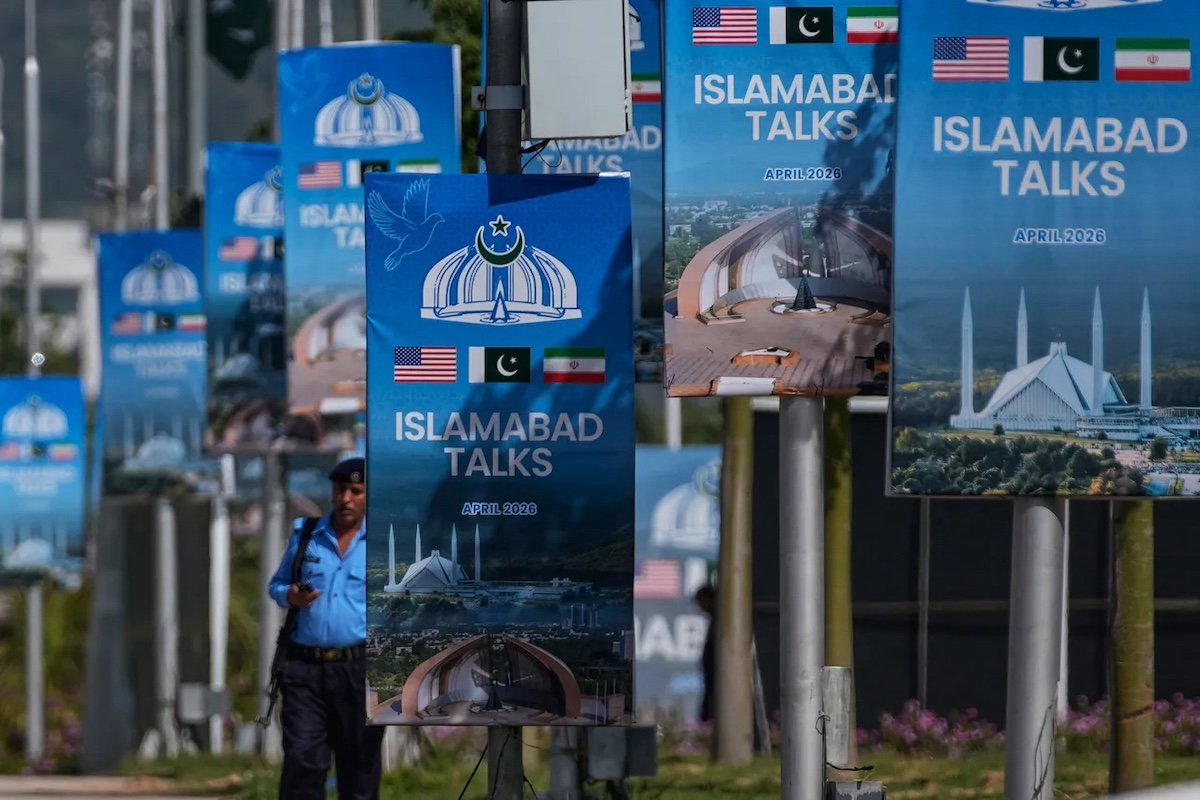
With a fragile ceasefire between Iran and the United States set to expire on April 21st, diplomatic efforts are intensifying to forge a lasting peace. A central, and perhaps decisive, element in these negotiations is the future of Iran's nuclear program. Recent rhetoric from Washington suggests nuclear non-proliferation has become the primary public rationale for continued US engagement, shifting focus from broader regional objectives.
The JCPOA Blueprint and the Need for an Update
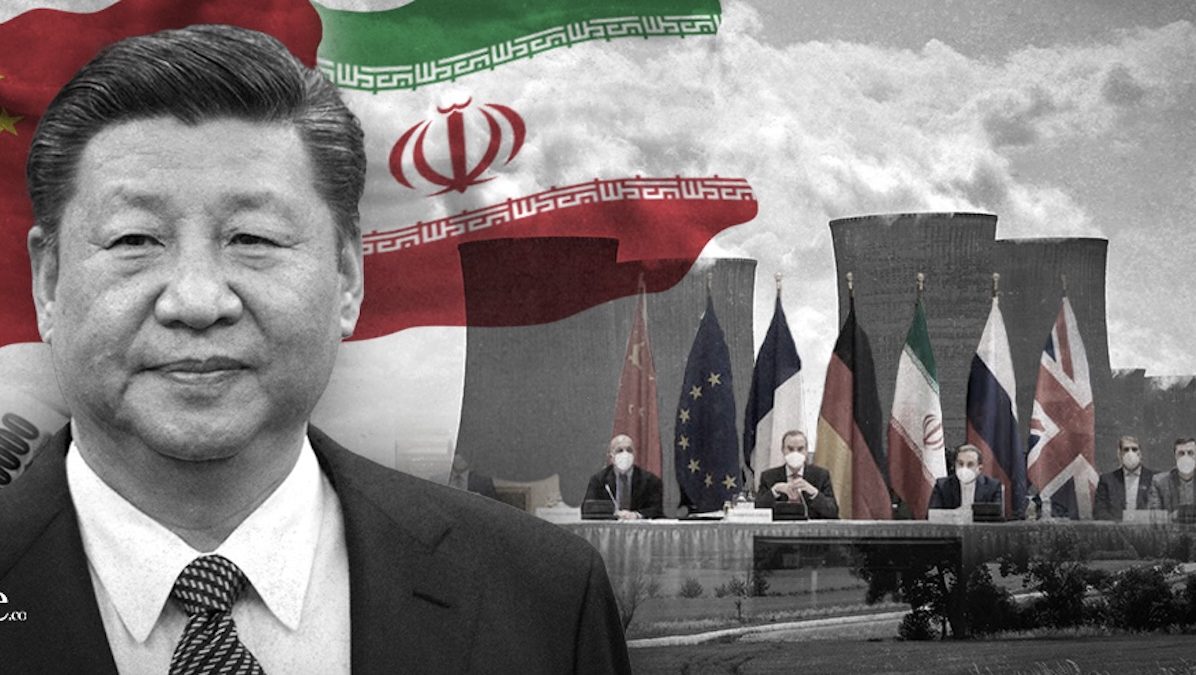
The logical foundation for any new agreement remains the 2015 Joint Comprehensive Plan of Action (JCPOA). That landmark deal, negotiated by the US, UK, France, Germany, Russia, and China, imposed strict limits on Iran's uranium enrichment in exchange for phased sanctions relief. Its collapse after the US withdrawal in 2018 created the current vacuum. Now, any resumed talks would essentially involve crafting an updated JCPOA, one that accounts for the significant changes on the ground since the original signing.
A major new complication is Iran's current stockpile of an estimated 400 kg of enriched uranium, material that is now partly buried under rubble following military actions. Negotiators must devise a secure and verifiable method to manage this stock. Furthermore, Iran maintains its sovereign right to a civilian nuclear program, while Israel and others remain deeply skeptical of Tehran's long-term intentions. Bridging this fundamental trust deficit is the core diplomatic challenge.
China's Pivotal Diplomatic Role
Success likely requires a facilitator trusted by both sides, and here, China's role becomes critical. As a permanent member of the UN Security Council and a signatory to the original JCPOA, Beijing possesses the diplomatic heft and channels to both Tehran and Washington necessary to broker compromises. China's involvement would lend the process a distinct multilateral character, moving beyond a purely US-Iran dynamic. This shift towards great-power mediation, with China at the center, could redefine non-proliferation diplomacy in the Middle East.
The broader implications for Asian security are direct. A renewed crisis or conflict in the Persian Gulf threatens vital energy shipping lanes for economies from Japan and South Korea to India. Furthermore, the ongoing Iran conflict has prompted Indo-Pacific nations to reassess their own nuclear energy and security postures, weighing energy independence against proliferation risks. Regional stability is a shared interest.
Beyond the nuclear issue, a comprehensive deal must also address other persistent flashpoints. These include the management of the strategic Strait of Hormuz, the future of US and European sanctions on Iran, Tehran's support for militant groups like Hezbollah and the Houthis, and its ballistic missile program. A nuclear agreement could serve as the key that unlocks negotiations on these parallel tracks, but each presents its own formidable hurdles.
The regional security landscape is inextricably linked to global counterterrorism efforts. Iran's network of proxy forces and the potential for nuclear technology to fall into non-state hands remains a paramount concern. This aligns with broader shifts in US counterterrorism strategy that directly impact Asian security partnerships.
The international non-proliferation regime, anchored by the 1968 Nuclear Non-Proliferation Treaty, has seen its credibility challenged by the emergence of nuclear-armed states like India, Pakistan, and North Korea. Preventing a tenth nuclear power is a goal shared by all major powers, including China. The belief in mutual assured destruction has maintained a grim stability among existing nuclear states, but the fear of weapons reaching terrorist groups undeterred by such logic is a driving force behind the push for a diplomatic solution with Iran.
Ultimately, the path to a sustainable agreement runs through Beijing as much as it does through Washington and Tehran. Crafting a deal that satisfies US non-proliferation demands, provides Iran with tangible economic benefits, and reassures regional allies like Israel and Saudi Arabia will require a diplomatic concert where China's voice is essential. The outcome will not only determine the future of the Middle East but will also signal the shape of a new era of strategic diplomacy, with Asian powers playing a central role in resolving distant conflicts.