March presented a stark series of challenges for US domestic security, with multiple violent incidents across the country raising alarms among national security professionals. These events included a fatal shooting in Austin, Texas, an explosive device in New York City, a campus shooting in Virginia, and an attack on a synagogue in Michigan. To many current and former officials, these incidents underscored a warning issued last year: that shifting federal resources toward immigration enforcement could weaken the nation's ability to respond to complex terror threats.
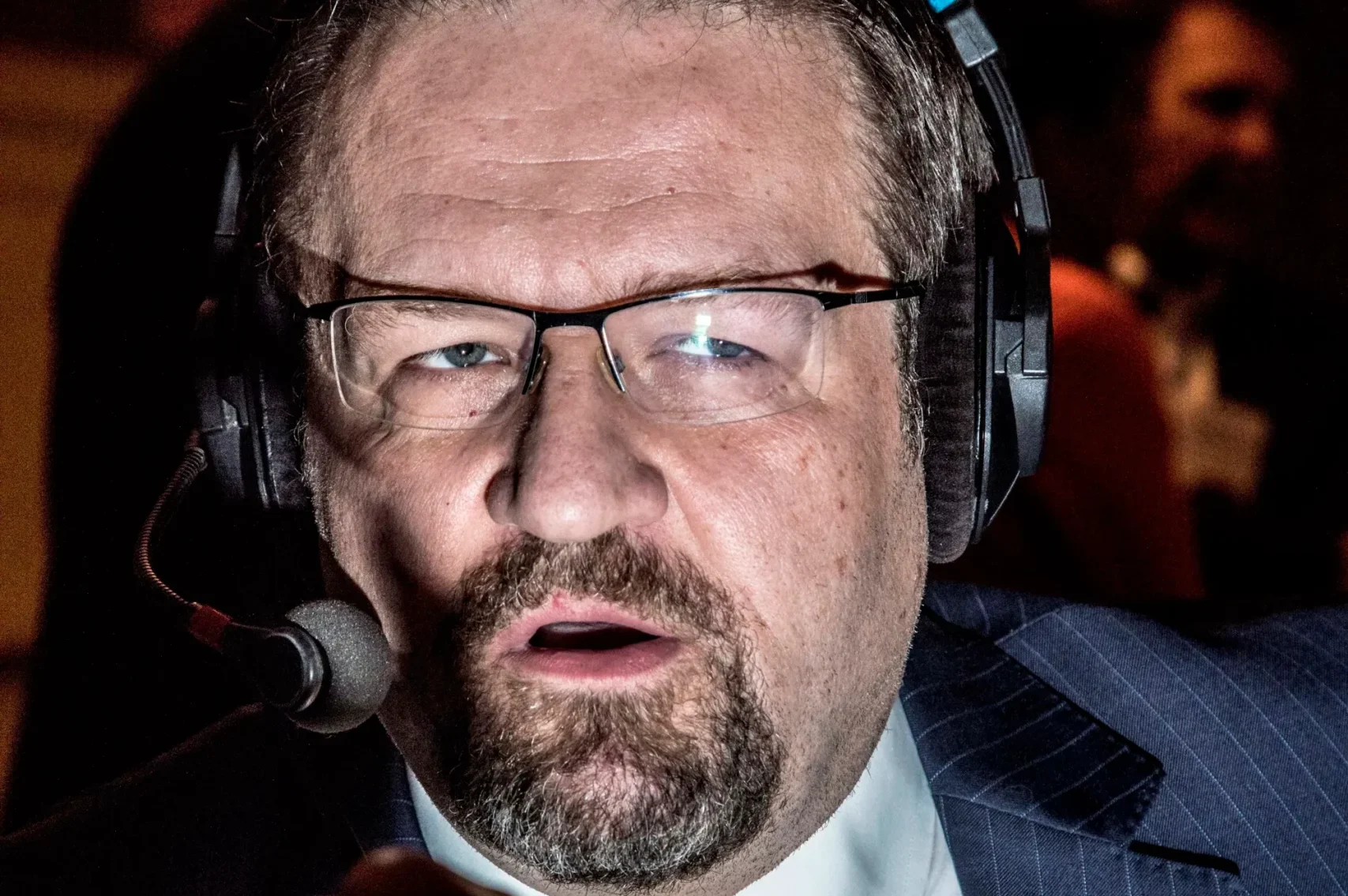
The ongoing conflict between the US and Iran has intensified these concerns, creating a confrontation with a state known for sponsoring terrorism at a moment when American security agencies are perceived as weakened. This urgency has focused attention on the White House's counterterrorism adviser, Sebastian Gorka, who is responsible for drafting a comprehensive strategy to address both homegrown and international threats.
A Strategy Repeatedly Promised, Never Delivered
Gorka first declared a national counterterrorism strategy was "imminent" nearly a year ago. He subsequently stated in July that he was "on the cusp" of unveiling it, a phrase he repeated in October and again in January. To date, no plan has been made public, and no explanation for the delay has been offered. Officials familiar with the process anticipate that any eventual document will be shaped more by political considerations than intelligence analysis, offering little practical guidance on combating threats after a year of significant cuts to national security agencies.
"Strategies are only worth the amount of resources you put into them," said a former senior official from the first Trump administration. "We're entering very dangerous territory."
Gorka's path to this influential role is unconventional. After a brief, seven-month stint in the first Trump administration ended with his departure amid controversy over security clearance and alleged far-right ties, he returned to prominence following the 2024 election. His reappointment to a role sometimes termed "counterterrorism czar" coincided with a broader shift within the administration toward a more ideologically driven posture.
Expertise Drained as Threats Mount
The operational capacity to address threats has been materially affected. Just days before US military operations began in Iran, FBI Director Kash Patel oversaw the dismissal of a dozen personnel from a counterintelligence unit focused on Iran, part of a larger purge of approximately 300 agents specializing in counterterrorism, according to a CNN report.
Former officials describe the loss of such institutional knowledge as devastating. "I don't think about it in raw numbers. I think about it in the wealth of expertise and knowledge that has been cut across all levels," a former senior Justice Department official said. "What you lose is that nuance—with a smaller team, you can only go so deep."
An FBI spokesperson stated that the bureau does not comment on personnel numbers but emphasized that agents are "working around the clock" and had disrupted four alleged US-based terrorist plots in December alone. "The FBI continuously assesses and realigns our resources to ensure the safety of the American people," the statement read.
When contacted for comment by ProPublica, Gorka did not respond to a detailed list of questions. Instead, he assailed the requests in social media posts, accusing journalists of writing "putrid" work.
Implications for the Indo-Pacific
While the story centers on US domestic policy, the stability—or instability—of American counterterrorism strategy has direct implications for its allies and partners across the Indo-Pacific. Nations from Japan and South Korea to India and Australia rely on US intelligence sharing and security cooperation. A perceived weakening of US focus or capability could prompt regional capitals to reassess their own security postures and dependencies.
This dynamic is already visible in some areas. For instance, the Iran conflict has prompted Indo-Pacific nations to reassess nuclear energy and security postures, reflecting how Middle Eastern instability can trigger strategic recalculations thousands of miles away. A less predictable US counterterrorism apparatus adds another layer of uncertainty for Asian partners navigating complex threats.
The combination of a delayed strategy, depleted expertise, and rising geopolitical tensions creates a precarious situation. For Asian allies monitoring both regional threats and the reliability of their primary security partner, the developments in Washington warrant close attention.