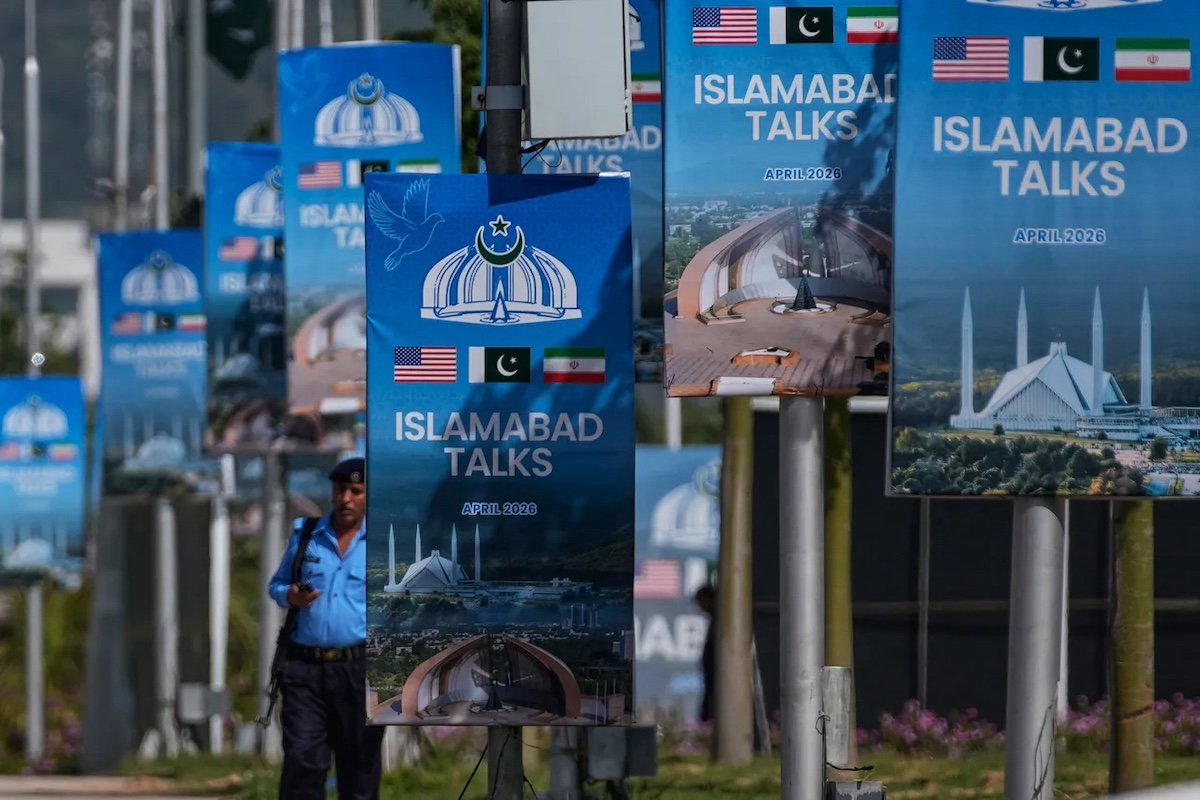
The ongoing military confrontation between the United States, Israel, and Iran is sending strategic ripples across the Indo-Pacific, compelling governments from Tokyo to New Delhi to reassess their own nuclear energy and security options. Analysts suggest the conflict's impact will be felt along three primary axes: direct military-strategic lessons, a renewed push for nuclear energy, and heightened anxieties over US security commitments.
Strategic Lessons from the Iranian Theater
For military planners in capitals like Seoul and Tokyo, the US-Israeli campaign to dismantle Iran's nuclear infrastructure provides a stark case study. The operation demonstrates that efforts by smaller powers to develop latent nuclear capabilities—often called a nuclear "hedge"—can provoke preemptive strikes from more powerful adversaries. This reality may introduce a note of caution into public discussions in South Korea, where there is consistent talk and some popular support for acquiring nuclear weapons.
Conversely, Iran's strategy of dispersing nuclear materials and facilities, combined with intermittent cooperation with the International Atomic Energy Agency (IAEA), has shown how such programs can be made resilient. This complicates an adversary's options, potentially forcing riskier interventions like blockades or invasions rather than stand-off strikes. As a result, such accumulations can act as a political deterrent by narrowing an opponent's feasible responses.
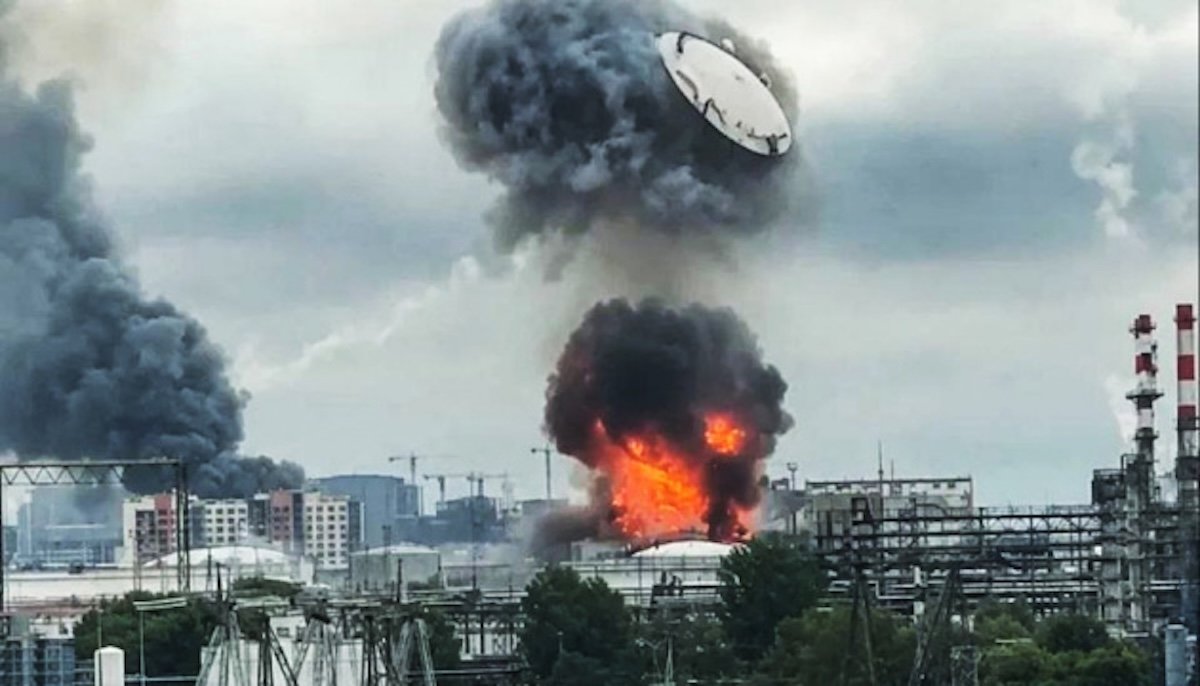
Furthermore, Iran's effective use of asymmetric tactics—such as mines, missiles, and drones to threaten shipping and energy infrastructure—highlights that conventional and hybrid warfare remain potent tools. For a nuclear-armed state like North Korea, this experience could reinforce using its arsenal as a shield to conduct lower-level asymmetric attacks with greater impunity.
Energy Security Imperatives
The war's second major effect is on energy policy. The disruption of oil and natural gas supplies from the Persian Gulf, following the 2022 crisis triggered by Russia's invasion of Ukraine, underscores the volatility of fossil fuel dependence. This is pushing many Indo-Pacific nations to accelerate diversification, with nuclear energy gaining fresh appeal as a stable baseload power source.
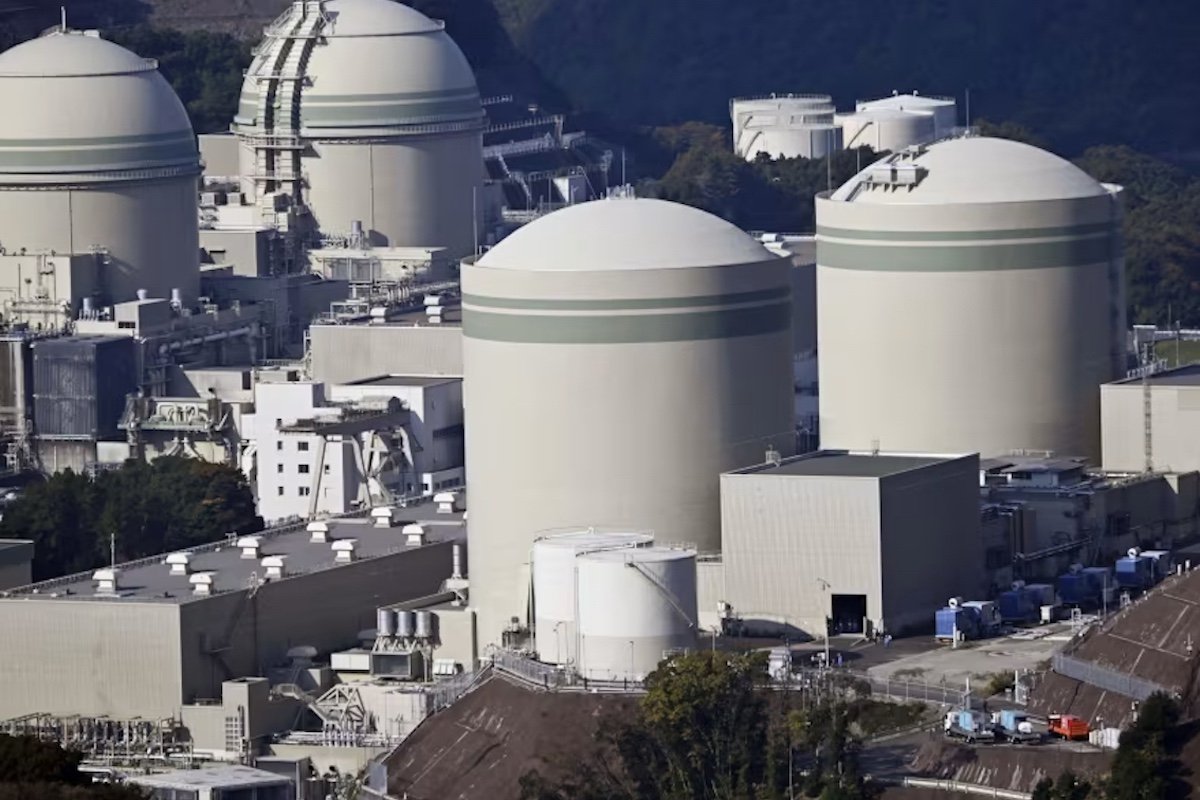
Japan, which recommitted to restarting idled reactors after the Ukraine war, now faces additional pressure to move faster. Prime Minister Fumio Kishida's government, already supportive of nuclear restarts, may see public and industrial demand intensify as energy prices climb.
In Southeast Asia, countries considering first-time nuclear ventures are likely to give them more serious consideration. Nations like Indonesia and the Philippines, which have explored small modular reactor (SMR) technology, may see enhanced energy security and supply diversity as urgent reasons to advance their plans.
Alliance Anxieties and Regional Balance
The third axis involves geopolitics. The significant diversion of US military resources to the Middle East, contradicting long-promised "pivot" or "rebalance" strategies to the Indo-Pacific, exacerbates existing concerns among US allies. There is a growing perception that Washington may prioritize unilateral goals over alliance commitments, even as China's military modernization and regional assertiveness continue unabated.
This dynamic places countries like Japan, South Korea, and Australia in a difficult position, potentially encouraging deeper intra-regional security cooperation and more robust national defense postures. The lesson that allies must ultimately ensure their own security could gain further traction.
Looking ahead, technological advancements in artificial intelligence could enable future proliferators to develop capabilities with less detection, altering the calculus for prevention. The conflict with Iran suggests that in an era of strategic competition, the lines between energy policy, nonproliferation, and hard security are increasingly blurred for nations across the Indo-Pacific.