While global markets parse the credibility of a reported ceasefire between the United States and Iran, governments across emerging Asia confront a more immediate and tangible crisis: a rapid exodus of foreign capital. The geopolitical uncertainty emanating from the Middle East has triggered a flight to safety, placing the region's developing economies squarely in the line of financial collateral damage.
Capital Flight Intensifies Regional Vulnerabilities
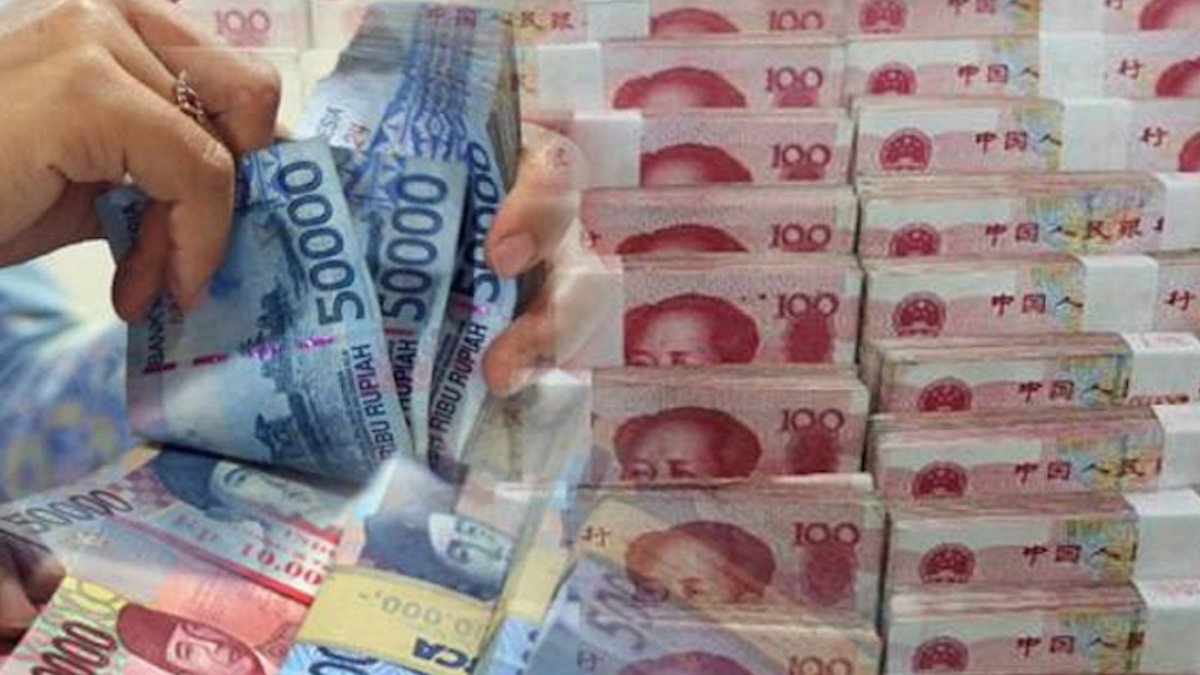
The scale of outflows in recent weeks has been stark, with March seeing a particularly sharp acceleration. This movement of capital is testing the resilience of economies from India and Indonesia to the Philippines and Vietnam. Central banks are being forced into a difficult balancing act, weighing the need to support their currencies and curb inflation against the risk of stifling fragile growth.
Analysts note that the ceasefire announcement, amid reports of Iran's Revolutionary Guards consolidating internal power, has done little to reassure international investors. The perceived fragility of the diplomatic pause keeps risk premiums elevated, compelling fund managers to reduce exposure to volatile emerging markets. This dynamic underscores how distant conflicts can swiftly transmit financial shockwaves to Asia.
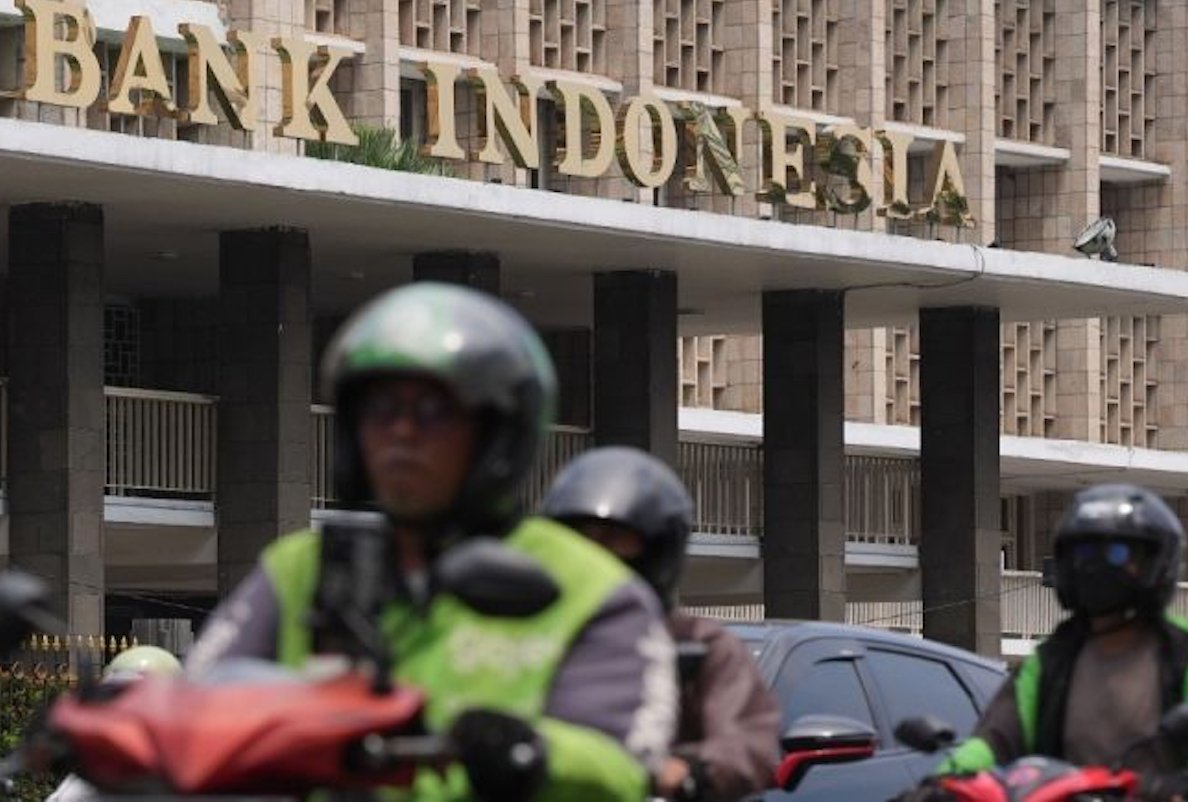
For nations like India, which imports the vast majority of its oil, sustained volatility in the Strait of Hormuz threatens a dual blow: higher energy import bills and persistent currency weakness. Prime Minister Narendra Modi's government faces renewed pressure on its current account deficit. Similarly, in Southeast Asia, Indonesia's President Joko Widodo must navigate the impact on the rupiah and the cost of vital fuel subsidies.
Broader Strategic Recalculations Underway
The financial turbulence is catalyzing deeper strategic discussions within Asian capitals. The reliance on unstable maritime chokepoints for energy and trade is prompting a reassessment of long-term security and economic planning. Japan and South Korea are among the nations revisiting their energy security postures, with debates over nuclear power and diversified supply chains gaining urgency.
Furthermore, the crisis highlights the complex web of international dependencies. China's role as a major buyer of Iranian oil and a diplomatic player gives it a pivotal stake in any lasting resolution. Beijing's actions, balancing its relationships with Tehran, Washington, and its own regional interests, will significantly influence the conflict's trajectory and its economic fallout for Asia.
The situation also tests the crisis response frameworks of trade-reliant economies. Japan's intricate supply chains, particularly for automotive and electronics manufacturing, remain vulnerable to disruptions in Middle Eastern shipping lanes. Contingency planning, once a theoretical exercise, is now an operational imperative for corporations and governments alike.
Ultimately, the capital flight is a symptom of a larger uncertainty. For emerging Asia, the pain is not merely a function of the conflict's intensity but of its perceived intractability. Until a durable, enforceable diplomatic framework replaces the current tentative ceasefire, the region's economies will remain hostage to gusts of geopolitical risk, forcing difficult choices between stability and growth.