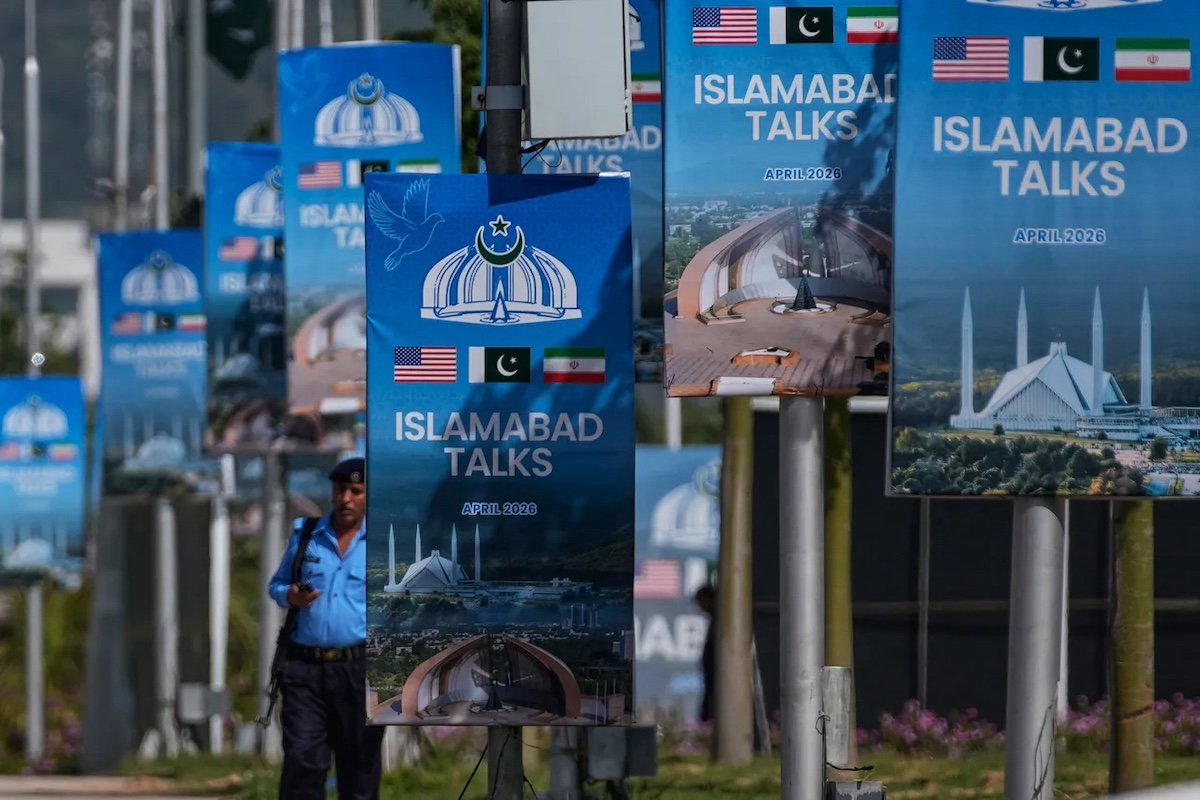
A recent diplomatic reversal has laid bare a fundamental shift in power within Iran. Following talks in Islamabad, Iran's lead negotiator, Foreign Minister Abbas Araghchi, publicly declared the Strait of Hormuz "completely open" and signaled flexibility on nuclear enrichment and regional proxies. Within days, he was sharply rebuked, his team recalled to Tehran, and the strait's status reversed. The correction came not from the civilian government, but from hardliners within the Islamic Revolutionary Guards Corps (IRGC), demonstrating who now truly sets Iran's course.
The episode underscores a new reality: the IRGC increasingly calls the shots on all critical matters of statecraft. The traditional pillars of the Islamic Republic—the elected government and the clerical establishment—have been effectively sidelined, relegated to front organizations. This consolidation follows a period of intense conflict that decimated the former leadership, including Supreme Leader Ali Khamenei.
A Militia with a State
Iran is now best understood not as a state with a powerful militia, but as a powerful militia with a state. The IRGC, founded after the 1979 revolution to protect the new order, has evolved into an all-encompassing network. It functions as a military, an intelligence service, a vast economic conglomerate, and a regional expeditionary force through its Quds Force. Decades of international sanctions only deepened this parallel structure, creating a shadow state that has gradually outgrown the formal one.
This structure, described as a "mosaic defense doctrine," is designed to withstand decapitation strikes. It consists of a strategic core surrounded by decentralized cells capable of autonomous operation. This architecture has proven resilient, allowing the IRGC to maintain control even amid leadership losses.
The New Power Center
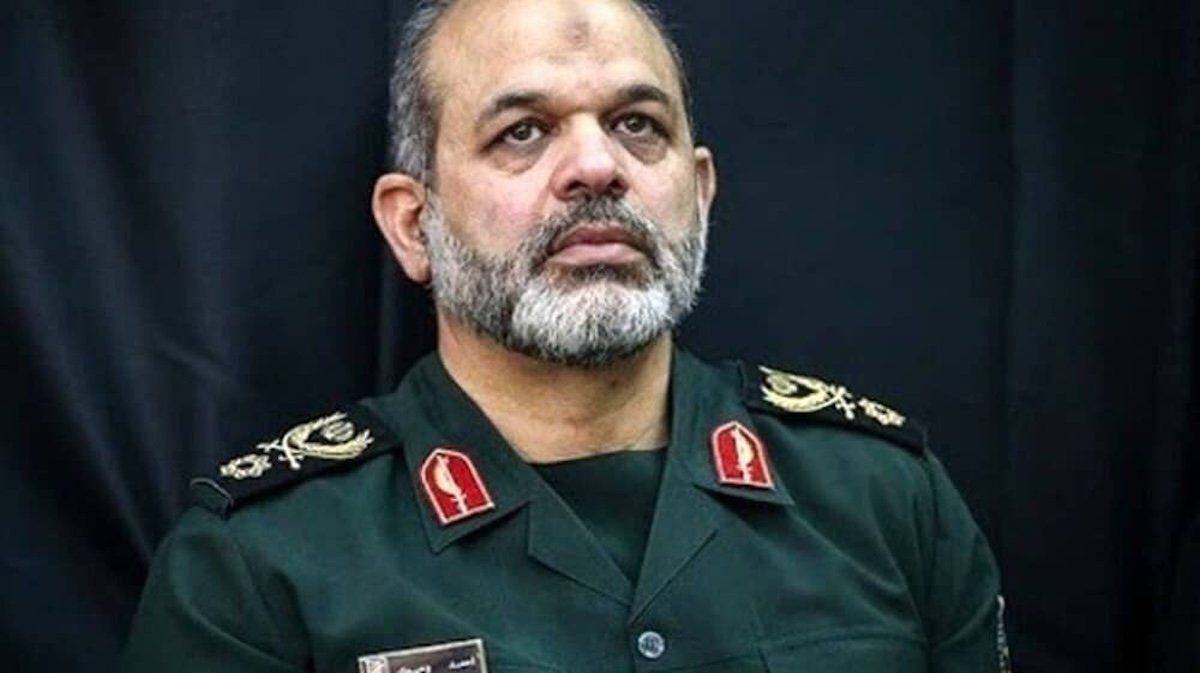
With the new Supreme Leader, Mojtaba Khamenei, reportedly incapacitated and the clergy marginalized, effective power has coalesced around IRGC commander Ahmad Vahidi. A founding member of the Guards and former interior minister, Vahidi assumed control after his predecessor was killed. He now works with a cadre of IRGC commanders and security council hardliners, such as Ali Akbar Ahmadian and Mohammad Bagher Zolghadr, to set the mandates for diplomacy.
The IRGC's red lines are clear: no surrender on uranium enrichment, preservation of its missile program and its "axis of resistance" network of proxies, and the lifting of sanctions with access to frozen overseas assets. Negotiation exists only on technical details—enrichment levels, timelines, and the language of agreements. As one analyst noted, "Progress in negotiations should not be judged by what Iran's diplomats say in public, but by what the guard allows to be implemented in practice."
Implications for Diplomacy and Regional Security
This power shift has profound consequences. Diplomats, whether from Washington or other capitals, are no longer bargaining with statesmen who have broad authority. They are dealing with representatives on a short leash held by the IRGC. The failed strategy of decapitation strikes has left a hardened, emboldened system in place, one unlikely to capitulate despite international pressure for a diplomatic resolution.
The consolidation of IRGC rule also has direct implications for Asian and Indo-Pacific security. Regional nations are closely watching the conflict's effect on global energy supplies and nuclear proliferation. The ongoing volatility underscores the risks for major energy importers in Asia and may accelerate regional reassessments of energy security and strategic postures. As covered in our analysis on Indo-Pacific security postures, nations from India to Japan are factoring such instability into their long-term planning.
Furthermore, the role of major powers like China becomes even more critical in this new landscape. Beijing's diplomatic and economic leverage with Tehran positions it as a potential key broker. As explored in China's role in reviving the nuclear deal, its approach could be decisive in shaping any future agreement, with ripple effects across Asian geopolitics.
The rise of the IRGC as Iran's paramount authority marks a decisive turn towards a militarized state. It creates a less predictable actor on the world stage, one whose internal logic is shaped by security imperatives and revolutionary ideology rather than conventional diplomacy. For the international community, and for Asian nations with vested interests in Middle Eastern stability, understanding this new power dynamic is essential for navigating the challenges ahead.