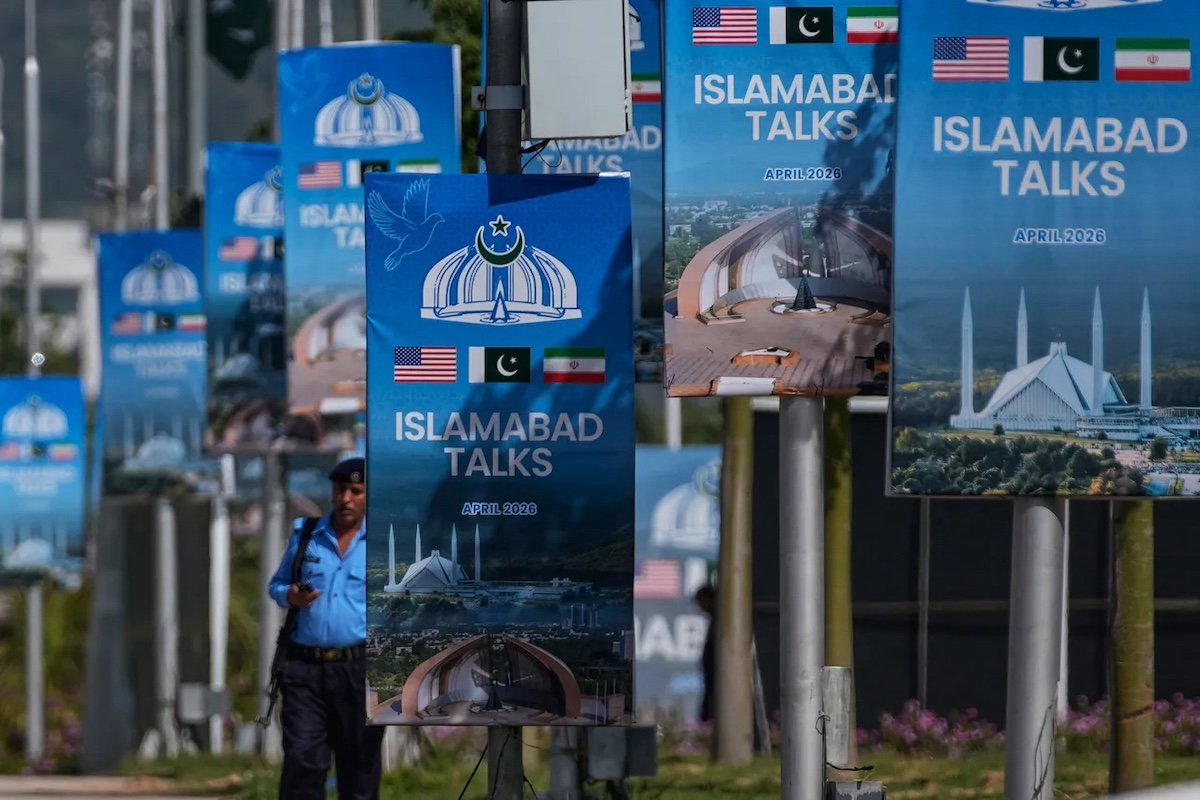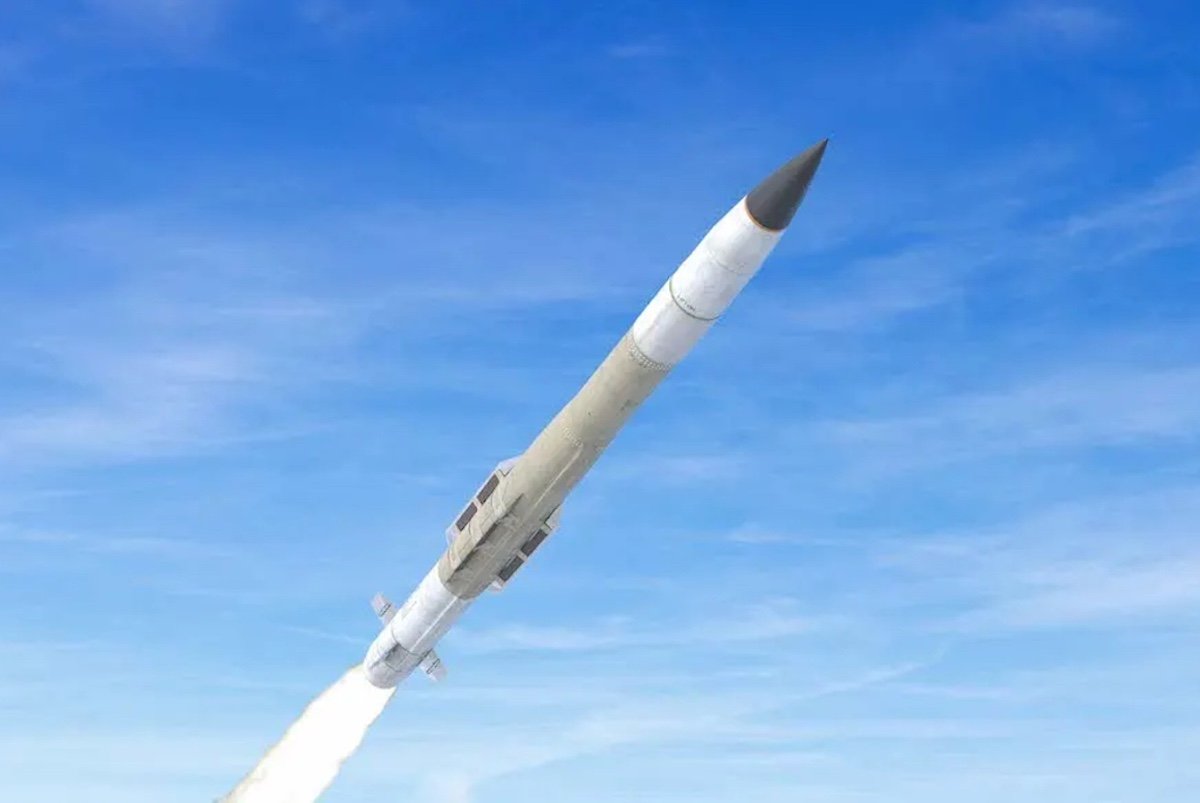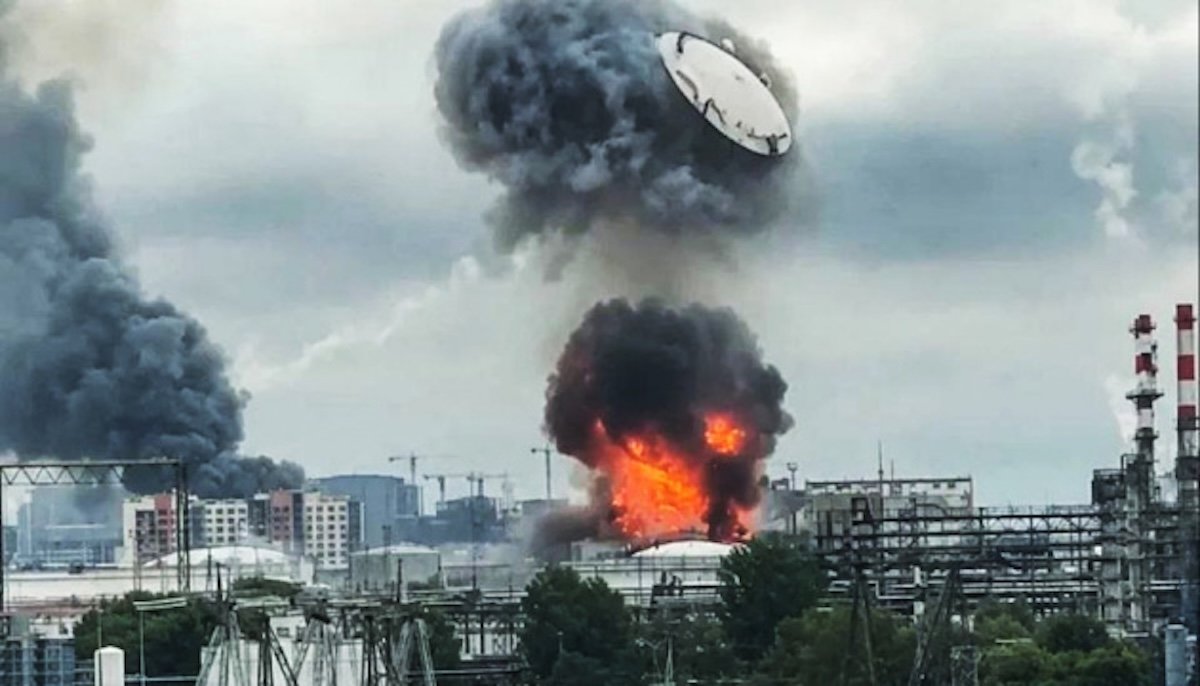
The United States military, despite its nearly trillion-dollar annual budget, is confronting a severe and asymmetric challenge: defending against Iran's inexpensive but effective drone warfare. The core of the problem is a stark economic imbalance. Iran's Shahed drones, constructed with commercial-grade components and costing between $20,000 and $50,000, are being countered by American interceptor missiles priced at over $1 million each. This creates an unsustainable equation for US defense planners.
A Weapon Defined by Its Simplicity
The threat does not stem from advanced technology. The Shahed drone's potency lies in its crude, affordable construction. Analyses of captured models reveal parts sourced globally, including processors from the United States, fuel pumps from the United Kingdom, and converters from China. These commercially available components, similar to those found in industrial or agricultural machinery, make the drones difficult to trace and easy to produce at scale. For state actors like Iran and Russia, high attrition rates are acceptable; they simply need to overwhelm defenses by volume, exhausting an adversary's costly missile inventory.
This tactic has been deployed against US assets, including an attack on the Victory Base Complex in Baghdad in early April 2026. The strategic implications extend far beyond the Middle East, affecting global security calculations, including those in the Indo-Pacific where similar low-cost aerial threats could emerge.
Lessons from the Ukrainian Battlefield
Ukraine, forced to adapt under fire, has pioneered a more economically viable solution. Ukrainian manufacturers now produce thousands of cheap interceptor drones monthly, each costing between $1,000 and $2,000, designed to physically collide with incoming Shaheds. This approach flips the cost calculus, using a $2,000 defender to neutralize a $20,000 attacker. The value of this hard-won experience is now globally recognized, with US and allied militaries actively seeking insights from Ukrainian drone warfare experts.
This raises a pivotal question: why can't the US military rapidly develop and field a similar, cost-effective counter-drone system? The answer, according to defense analysts, is not a lack of technological capability but a crippling bureaucratic inertia.
The Pentagon's Procurement Quagmire
The US Department of Defense is hamstrung by a tripartite system that can delay new capabilities for a decade or more. First, the "requirements" process, where a formal need is documented and approved, historically took over 800 days. Second, the budgeting cycle, a system designed in 1961, typically requires more than two years to secure funding after a requirement is set. Third, the acquisition and development phase for a major program now averages nearly 12 years before initial delivery, according to a 2025 Government Accountability Office report.
This protracted timeline is fundamentally mismatched with the pace of modern asymmetric threats. While the system was originally designed during the Cold War to prevent wasteful spending and redundancy, its current effect is to stifle innovation and rapid adaptation. Legacy defense contractors, entrenched in this slow process, often resist changes that could disrupt established profit models.
The US military for now has a $1 million answer to a $20,000 question.
This bureaucratic reality exposes a critical gap in US military preparedness: excellence in building sophisticated, expensive platforms coexists with an inability to produce simple, cheap systems at speed. The US Navy's next-generation fighter competition exemplifies the former, while the drone dilemma underscores the absence of the latter.
Broader Implications for Asian Security
The US-Iran drone stalemate is not an isolated issue. It has direct repercussions for Asian security and energy stability. Iran's drone and missile capabilities directly influence the security of critical maritime chokepoints like the Strait of Hormuz, a vital conduit for the energy supplies of US allies Japan, South Korea, and India. US-Iran tensions in the Hormuz region strain alliances and reshape Asian energy security, forcing regional capitals to reassess their dependencies and defense partnerships.
Furthermore, the tactical lessons from this conflict are being studied intently by militaries across the Indo-Pacific. Nations like China are undoubtedly analyzing the cost-effectiveness of swarm drone tactics and the potential vulnerabilities they expose in high-end US defensive systems. The protracted nature of the conflict, which some analysts believe is likely to settle into a stalemate, offers a prolonged case study in asymmetric warfare that has global resonance.
Ultimately, the challenge posed by Iran's Shahed drones represents more than a tactical nuisance; it is a systemic test. It questions whether a military-industrial complex built for peer-state conflict can retool itself for a era defined by affordable, attritable, and ubiquitous technologies. The United States' ability to solve this puzzle will significantly impact its power projection and alliance credibility, not just in the Middle East, but across the strategically vital Indo-Pacific theater.