In recent years, the People's Republic of China has repeatedly weaponized trade to punish nations it perceives as hostile. These actions—ranging from tariffs and regulatory hurdles to consumer boycotts—are often justified with economic pretexts but are politically motivated. Australia, a resource-rich economy with a large trade deficit with Beijing, became a prime target after Canberra called for an investigation into the origins of COVID-19. Yet, unlike many others, Australia largely withstood the pressure, offering a case study in economic resilience.
The Road to Confrontation
Tensions between Canberra and Beijing escalated from 2015 onward, driven by concerns over Chinese state-linked influence campaigns. The Australian Security Intelligence Organization warned elites about efforts to shape perceptions on issues like the South China Sea and the US-Australia alliance. The 2016 Sam Dastyari affair—where a Labor politician made pro-China remarks in exchange for donations from a Chinese donor, Huang Xiangmo—highlighted how the PRC's United Front Work Department exploits legal gray zones in democracies.
Australia responded with stricter laws distinguishing legitimate influence from covert interference, enhanced investment screening, and bans on Chinese firms like Huawei and ZTE from 5G networks. Diplomatic rhetoric also hardened on Xinjiang, Hong Kong, Taiwan, and the South China Sea. The tipping point came in April 2020, when Foreign Minister Marise Payne and Prime Minister Scott Morrison called for an independent international investigation into COVID-19's origins, implicitly targeting the PRC.
Beijing retaliated swiftly. In November 2020, the Chinese ambassador in Canberra issued 14 grievances, including Australia's blocking of Chinese investments, the 5G ban, and the COVID-19 probe call. This rare explicit linkage between political grievances and trade measures confirmed what many termed economic coercion. The PRC imposed tariffs on Australian barley, wine, and coal, and discouraged tourism and education ties.
Australia's Diversification Strategy
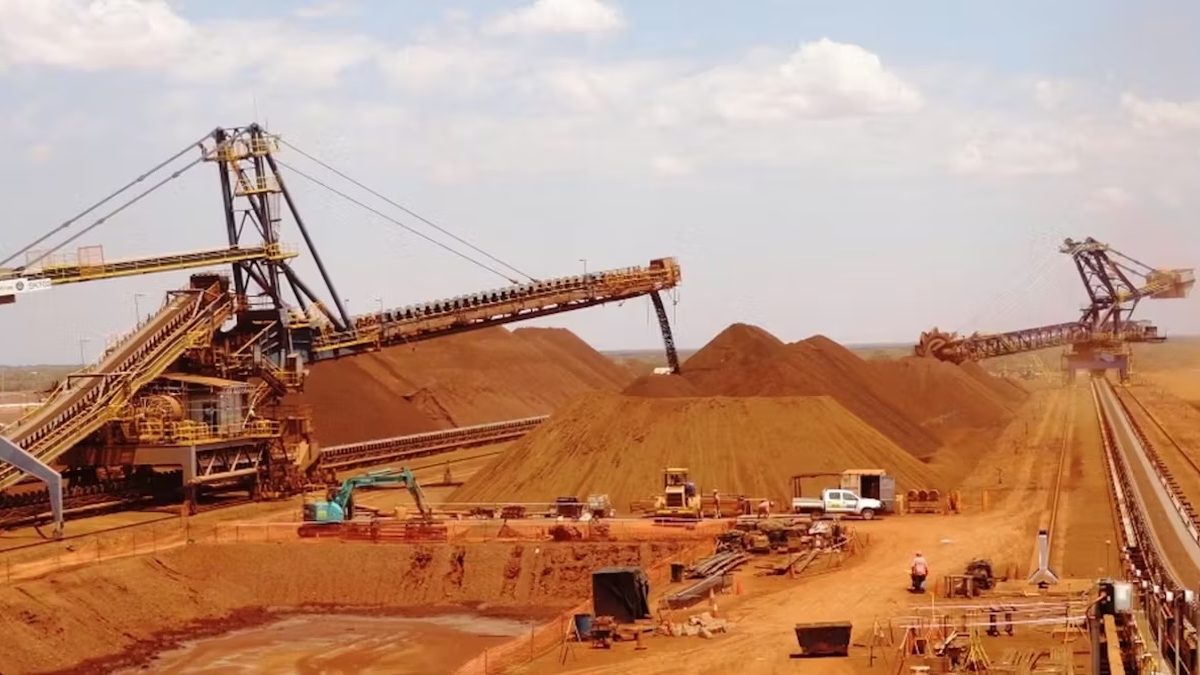
Under Morrison, Australia pivoted aggressively to new markets. By 2023, barley exports to Latin America surged 416% to A$251.6 million, while overall barley exports reached A$3.3 billion despite zero sales to China. Agricultural and fisheries exports to ASEAN surpassed those to the PRC for the first time in FY 2021-22, with ASEAN taking 21% versus China's 20%. Japan overtook China as the top importer of Australian coal, accounting for 35% of exports compared to China's 9%.
The nominal GDP impact between 2020 and 2023 was less than 1%, though sectors like lobster fisheries faced concentrated pain. This resilience underscores the value of trade diversification—a lesson for other economies vulnerable to PRC coercion. As Australia-India ties deepen, Canberra is also exploring alternative partnerships to reduce dependence on any single market.
Australia's experience offers a blueprint: invest in diplomatic relationships across Asia and beyond, build legal frameworks to counter interference, and maintain economic flexibility. While not every nation has Australia's resource wealth, the principle of spreading risk remains universally applicable. The PRC's coercive tactics, as seen in this case, can be blunted when targeted countries act strategically and collectively.