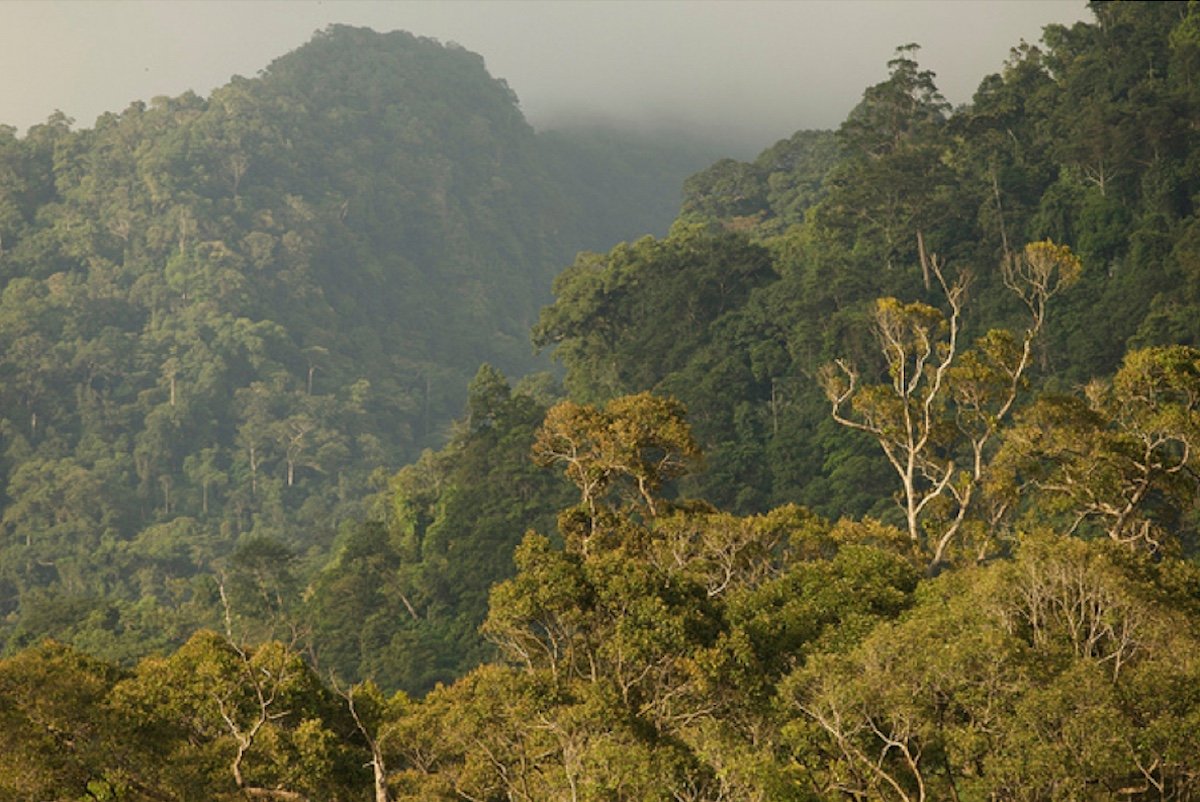
Jakarta, Brasília, and Kinshasa together hold more than half of the planet's tropical rainforests. In 2022, on the sidelines of the G20 summit in Bali, the three governments pledged to cooperate on financing forest protection. That promise was framed as South-South solidarity—developing nations solving shared problems without waiting for handouts from the wealthy North.
Four years later, that pledge has not matured into a negotiating bloc with a common position and a single voice. Yet Indonesia, with its diplomatic weight and financial commitment, is uniquely placed to turn the idea into reality.
A common predicament
The forest countries of the Global South face a similar dilemma: they are urged to keep vast carbon sinks standing for the planet's benefit, but they lack the domestic resources to do so. Indonesia's finance minister warned in April that high oil prices could push the budget deficit to 2.9% of GDP. The Republic of Congo, with roughly US$5 billion in external debt, is exploring debt-for-nature swaps.
Northern aid remains scarce and uneven. Research from the Center for International Forestry Research shows that the Congo Basin received only 11% of international tropical forest financing between 2008 and 2017, compared with 55% for Southeast Asia and 34% for the Amazon. The price paid for results is also low: a 2022 study found Norway paid Indonesia about $1 per tonne of avoided carbon emissions, far below the stated $5 rate.
A new fund, the Tropical Forest Forever Facility, launched in Brazil last year, aims to change that. It plans to pay countries annually for each hectare of forest preserved, with $7.3 billion already pledged. But disbursements are unlikely before 2028. Notably, Brazil and Indonesia each committed $1 billion, while some wealthy donors contributed only a few million. The South is effectively funding the mechanism meant to pay it—giving it a legitimate claim to shape the rules.
Why Indonesia should lead
Indonesia has put real money into the fund and sits on its board alongside Brazil and the DR Congo. It has years of experience with Norway on payment-for-performance deals, so it understands where such arrangements can fail. It can also share lessons on community land rights and peat fire management, and it can act as a bridge between the Amazon and the Congo Basin, bringing Southeast Asia into the conversation.
Today, each forest country negotiates alone, allowing donors to set terms and pitting Southern nations against each other for the same limited resources. A joint South-South position would shift the balance. Such a bloc should address three core issues.
Finance: Payments must be large enough to offset the opportunity cost of not clearing forests, arrive on time, and come as grants rather than loans that add to debt burdens.
Safeguards: The bloc should adopt common rules to ensure forest money does not harm local communities. These standards should be written by forest countries themselves, incorporating the fund's promise to direct 20% of payments to indigenous peoples and local communities. Standards set in the South would be harder for Northern buyers to ignore.
Fair pricing: The bloc should push for a minimum price for forest-protection results, so a tonne of avoided emissions in Borneo or the Congo is not valued at a fraction of a tonne cut in Europe.
South-South cooperation should also mean mutual learning. Brazil can share satellite-based forest monitoring, Congo Basin countries can offer insights on community engagement, and Indonesia can teach about fire management and land tenure. A bloc must also be honest at home: members must continue to reduce forest loss, respect land rights, and publish data.
COP31, the UN climate summit in Antalya, opens next month. Indonesia should use that stage to bring the forest countries of the South to a single table and a single position. Together they hold the forests the world needs to fight climate change—and they should also hold the pen when the rules for paying to protect them are written.