Every year, Indonesia's government forgoes billions in potential tax revenue through holidays, rate cuts, and exemptions, all in the name of attracting investment and easing burdens on households and small businesses. Economists call this 'tax expenditure' because forgoing revenue is a form of public spending. The Ministry of Finance projects it will reach 564 trillion rupiah (US$31.5 billion) in 2026, nearly double the 293 trillion rupiah of 2021.
With the ministry now reviewing its tax holidays, it's a fitting moment to ask a pointed question about one of Indonesia's biggest industrial bets: what have tax incentives for processing nickel and bauxite actually bought?
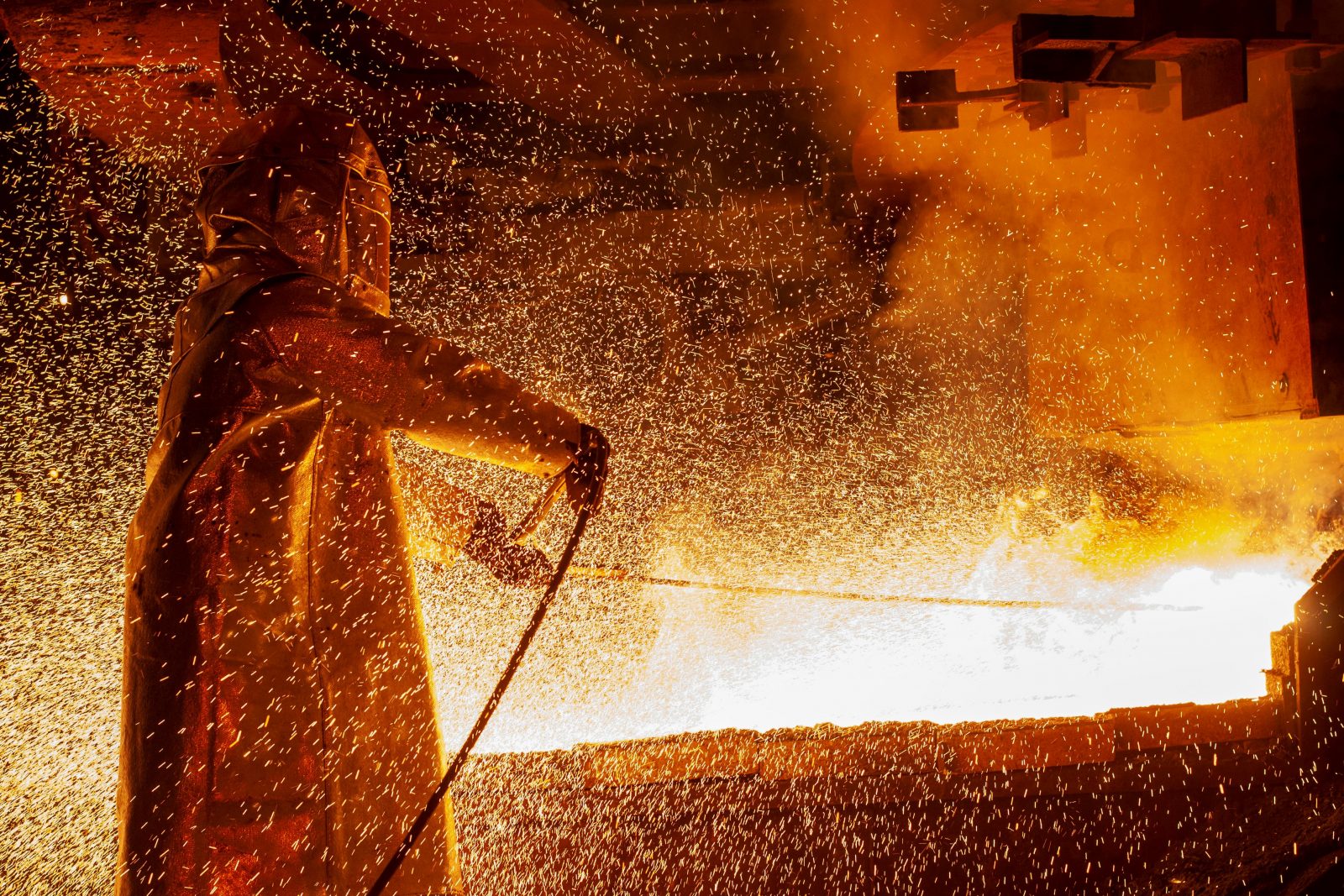
Indonesia banned raw nickel ore exports in 2020 and raw bauxite in 2023, aiming to force domestic processing—a policy known as downstreaming. To attract capital for smelters and refineries, the government offered generous support, mostly taken up by Chinese investors. Large investors can enjoy corporate income tax holidays of up to 20 years, while companies in special economic zones can avoid import duties and value-added tax on equipment.
A less visible subsidy sits alongside these. Because miners cannot export raw ore, they must sell to local smelters, often at prices well below global market rates. The gap transfers wealth from Indonesian miners and regions to smelter owners while appearing nowhere in the national budget. Below-market ore also means lower royalties and tax collection for the state.
The uncalculated bill
What does all this cost the nation? Nobody can say precisely, and that is the problem. No official figure combines the tax holidays, duty exemptions, cheap ore, cheap land, and public infrastructure that nickel and bauxite processing receive. Indonesia is paying a bill it has never fully added up.
The results are mixed. Nickel has drawn heavy investment; the energy minister says the industry has brought in $47.36 billion and created 180,600 jobs. But a World Bank study found that an earlier version of the bans increased value added to exports yet also attracted small, inefficient firms. Much output remains in nickel pig iron, a low-value input for stainless steel. This year, the government even proposed a new export levy on such products to push companies toward higher-value goods—an implicit admission that earlier incentives failed to steer investment where the country needed it most.
Bauxite illustrates a different risk. When the raw bauxite export ban took effect in 2023, Indonesia's refineries could process about 13.9 million tonnes a year, while mines produced around 30 million. Some miners had to halt operations and sit on piles of unsold ore. Support without a clear plan does not build an industry.
None of this means the incentives are misguided. Smelters and battery plants are costly and risky to build, and almost every industrialized country has helped its firms along the way. But in successful cases, such as South Korea, help came with duties. Firms that received support had to export, invest, and learn, and those that failed lost it. Indonesia should adopt the same rule: when the state helps a company, the company owes something in return.
Four changes for a smarter system
First, count the cost. Each year, the government should publish the full price of its support for nickel and bauxite processing, including tax holidays, duty exemptions, and the gap between local and world ore prices. Citizens should see what each large project receives and what it has delivered in return.
Second, attach clear conditions. Support should depend on hiring and training Indonesian workers, from engineers to managers; buying from local suppliers; and bringing research and technology into the country. It should also require compliance with strict pollution and safety standards. Every agreement should set verifiable targets with firm dates.
Third, reward the higher rungs of the value chain. Support should flow to battery materials, battery cells, and recycling, not to more low-value pig iron. Fourth, claw back support when promises are broken. A tax holiday should end, or be repaid, if a company fails to deliver what it agreed to.
Another reason to act now is the global minimum tax, which Indonesia has applied since 2025. It requires large multinationals to pay at least 15% tax in every country where they operate. If Indonesia grants such a company a long tax holiday, another country can collect the tax Indonesia forgoes. That means some tax holidays may now de facto hand Indonesian revenue to foreign treasuries.
The Ministry of Finance is already moving toward support that is timely, targeted, and temporary. That shift should begin with nickel and bauxite. Indonesia need not choose between attracting investors and protecting public money. It can do both, provided every rupiah of support brings a clear return to the people who fund it. Such a smarter system would also be fairer to the miners, workers, and regions that bear much of the cost uncompensated today.
For more on Indonesia's economic challenges, see this analysis of its investability problem and the environmental toll of its nickel boom.