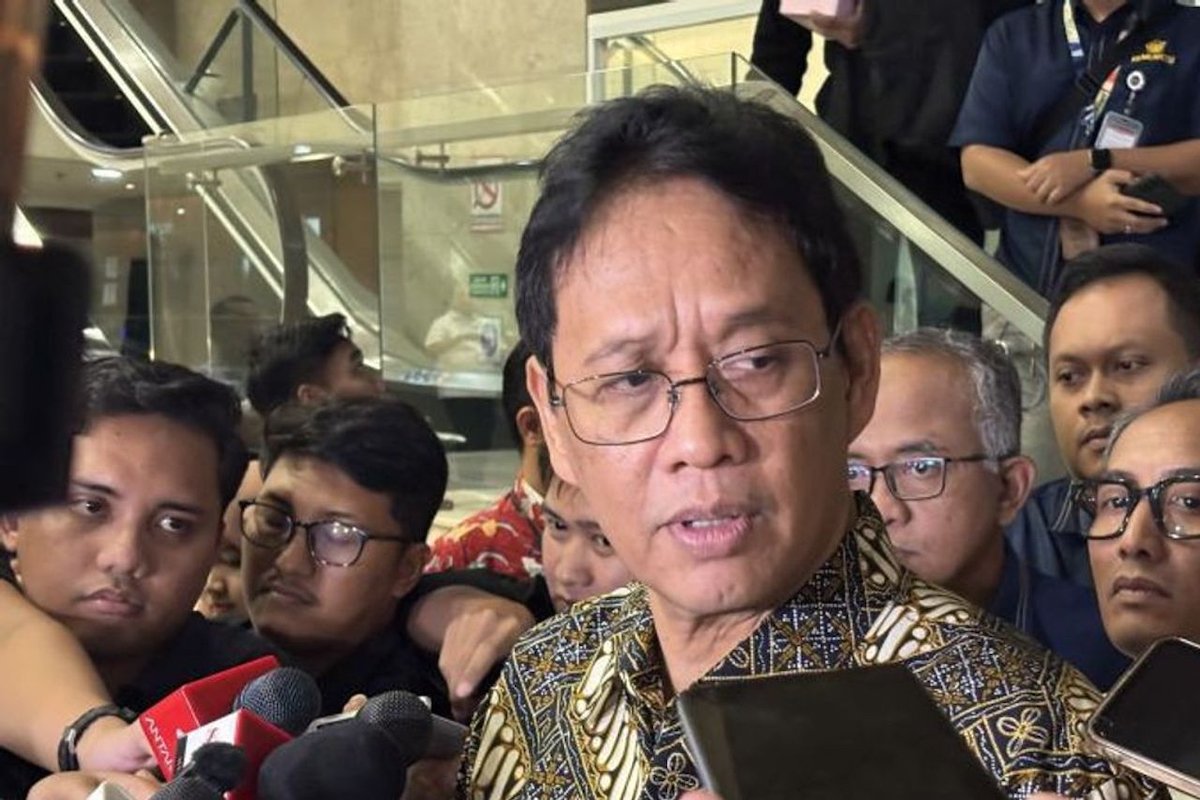
When Indonesian President Prabowo Subianto replaced Finance Minister Purbaya Yudhi Sadewa with Suahasil Nazara, the move was framed as a bid to restore confidence. But swapping a minister is the easy part. The harder task is convincing global investors that Indonesia's underlying institutional weaknesses are being addressed.
That challenge is underscored by recent signals from three independent gatekeepers. Moody's and Fitch have both affirmed Indonesia's investment-grade sovereign ratings—Baa2 and BBB respectively—but shifted their outlooks to "Negative." Meanwhile, MSCI, which governs how global funds benchmark emerging markets, has flagged concerns about shareholder transparency, free-float reliability, possible coordinated trading, and price formation in Jakarta's equity market.
These are different assessments. Moody's and Fitch focus on sovereign creditworthiness; MSCI evaluates whether a market remains accessible and investable. Yet all three point in the same direction: Indonesia increasingly has something to prove to the world.
Capital flows in, but trust lags
Indonesia is not short of attractions. It offers scale, natural resources, infrastructure demand, and a vast domestic market. Foreign portfolio inflows have continued through 2026, according to Bank Indonesia. But the headline numbers obscure a deeper problem: much of this capital is drawn by specific assets—nickel, smelters, concessions, or access to consumers—rather than by confidence in Indonesia as a whole.
Investors can remain uneasy about the policy environment and still want the nickel or the customer base. The harder test is capital that trusts Indonesia itself: regional headquarters, R&D mandates, treasury functions, complex manufacturing ecosystems, and repeated reinvestment. These commitments are costly to reverse and depend heavily on regulatory predictability and institutional continuity.
Uncertainty carries a price. It raises required returns, shortens investment horizons, and depresses valuations. That creates an uncomfortable middle ground: Indonesia can remain attractive enough to receive capital while becoming too expensive for the forms of investment that matter most for long-term development.
Announcements are not outcomes
Indonesia is rarely short of policy announcements, reforms, or institutional changes. The recurring weakness is proving that each measure delivers the intended result. Investment announcements do not establish investment depth. Market reforms do not establish investability. A new finance minister does not establish fiscal credibility. The evidence that matters sits downstream.
Purbaya's removal does not prove his policy direction failed. Suahasil's long tenure inside the Finance Ministry signals continuity and a technocratic record familiar to investors, which may improve expectations. But what follows will determine whether that matters: fiscal execution, deficit management, policy consistency, coordination among economic authorities, and regulatory predictability. Indonesia can change the policymaker; it cannot appoint the market's response.
Moody's and Fitch did not downgrade Indonesia, but both signaled that the balance of risk has deteriorated. MSCI has kept Indonesia in its Emerging Market classification but continues to restrict positive index changes for Indonesian securities. It has also warned that insufficient progress could eventually trigger a consultation over reclassification to Frontier status. Indonesia hasn't crossed that line yet, but the fact that the line is visible should be uncomfortable enough.
The rating agencies will assess fiscal and institutional behavior. MSCI will assess whether transparency and investability problems are resolved. Investors will decide what risk premium they require and how deeply they are willing to commit. Continued inflows do not make these concerns irrelevant—investors can stay while preserving exit options, limiting exposure, or demanding compensation for Indonesian risk.
The next test is not whether investment continues. It almost certainly will, wherever Indonesia offers compelling resources, market access, or project economics. Watch instead for what becomes harder to explain through the asset alone: repeated reinvestment without fresh inducements, strategic manufacturing mandates, regional functions, R&D, and treasury operations that become costly to reverse once embedded.
Sustained fiscal discipline, policy continuity, improved capital-market transparency, and lower perceived policy risk would all weaken the case that Indonesia's institutional discount is widening. But if external assessments continue to deteriorate, transparency concerns remain unresolved, or investors keep preserving optionality around deeper commitments, then changing the finance minister will have changed very little.
Indonesia doesn't need to prove that someone will invest—somebody already does. It needs to prove that investment can be trusted to stay and grow. That is a far more demanding standard, and no ministerial reshuffle can meet it alone.