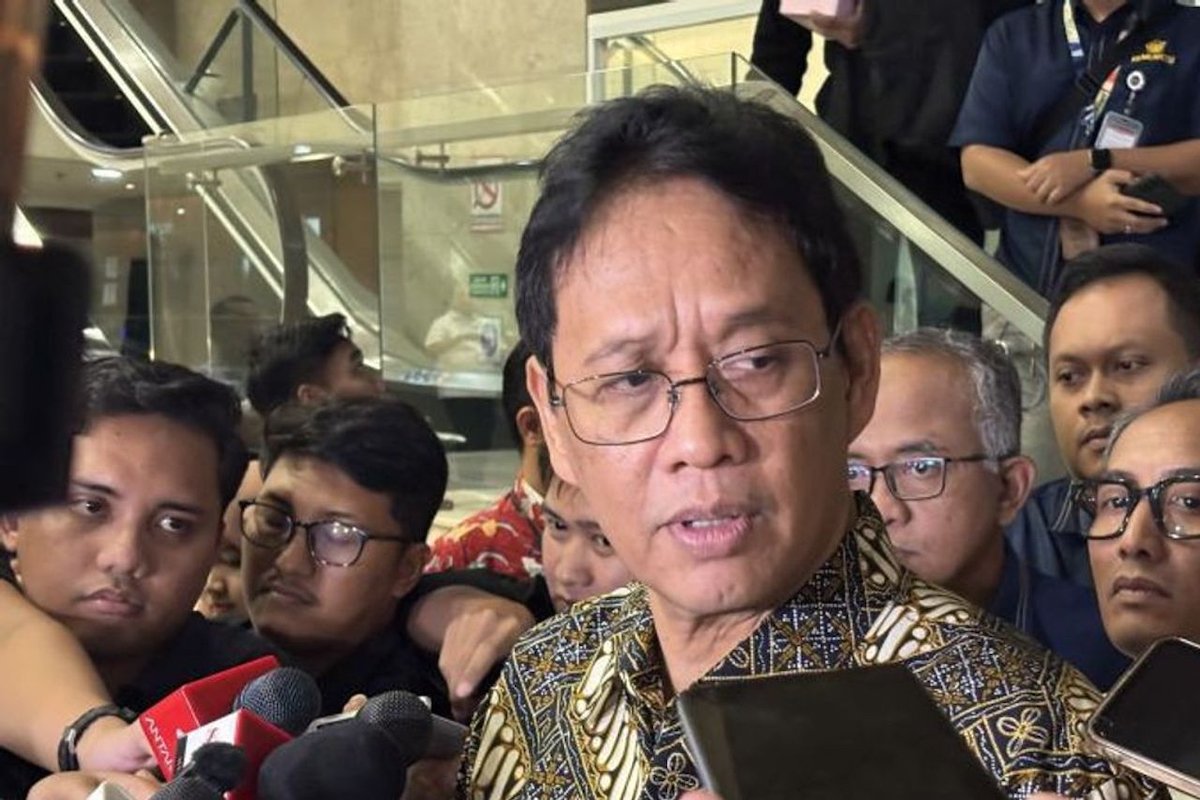
When President Prabowo Subianto stood before Indonesia's parliament on August 4, 2026, to deliver his State of the Nation Address, he unveiled an ambitious vision: to transform the archipelago from a commodity exporter into a global price-setter. The plan, embedded in the 2027 State Budget Bill, calls for the creation of a "Mineral and Strategic Commodity Exchange," slated to begin operations on January 1, 2027, under the oversight of the Financial Services Authority (OJK).
The initiative is framed as the natural evolution of the single-door strategic commodity export policy that stirred controversy earlier this year. Indonesia, after all, is a heavyweight in global commodity markets—palm oil, nickel, tin, coal, coffee, and rubber. Yet, as Prabowo himself acknowledged, the prices for these resources have long been set in distant financial centers, from London to Chicago. His answer is an "Indonesia Reference Price," a mechanism designed to shift the country from a price-taker to a price-maker.
On paper, the logic is sound. A transparent exchange could improve price discovery, curb under-invoicing, and give Indonesian exporters more leverage. But Prabowo must confront a hard truth: owning the resource is not the same as owning the price. Launching an exchange does not automatically make Indonesia a price-maker. The real question is whether the world will trust the prices that emerge from Jakarta's trading floors.
The trust deficit
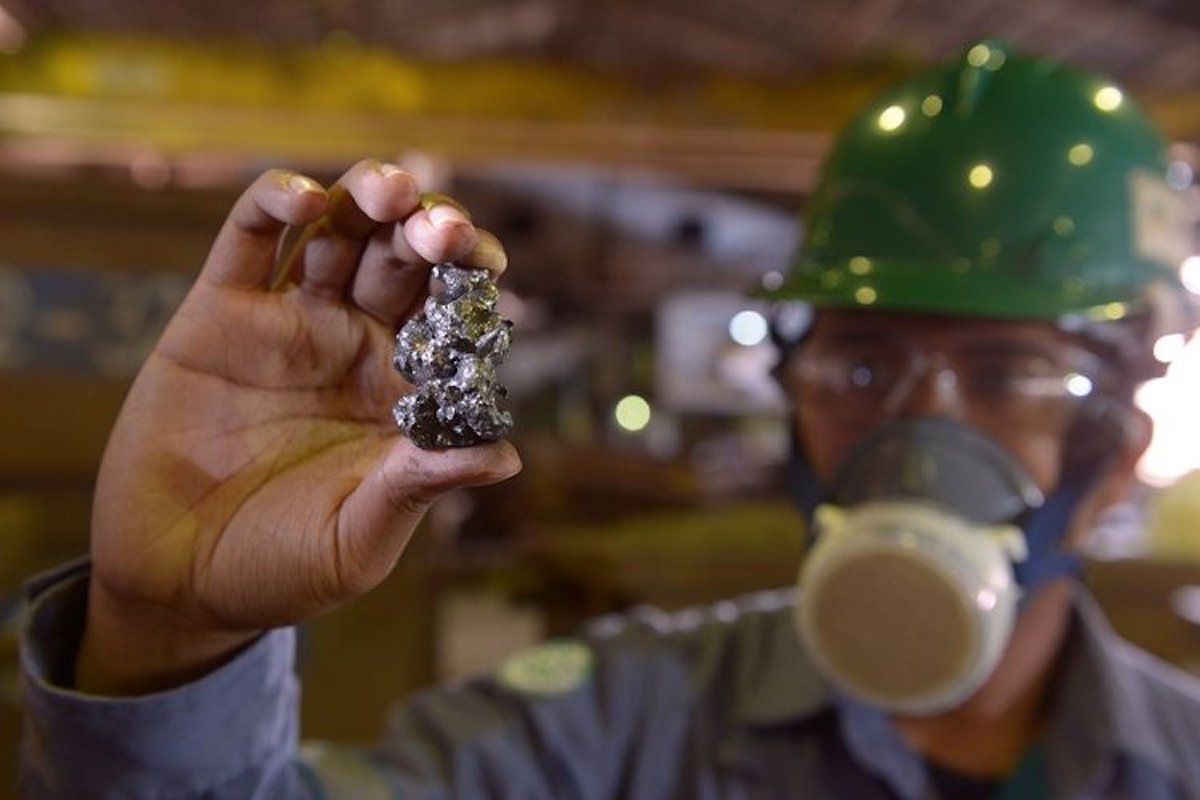
Consider nickel. Indonesia produces roughly 2.6 million tons annually, more than any other country. Yet international nickel prices are still anchored to the London Metal Exchange (LME). The LME is more than a platform; it is an ecosystem—with warehousing networks, delivery standards, clearing mechanisms, and a diverse pool of global participants. These elements allow futures and physical prices to self-correct through arbitrage. The challenge for Indonesia is not "why don't we have an exchange?" but "why should global traders abandon a trusted benchmark for ours?"
Malaysia offers a more instructive example. Bursa Malaysia Derivatives built its Crude Palm Oil (CPO) futures into a global benchmark, even though Indonesia produces more palm oil. The Malaysian exchange succeeded by fusing contract standards, delivery mechanisms, liquidity, and institutional credibility. Even CME Group's dollar-denominated CPO contracts settle against the Malaysian benchmark. Production volume alone was not enough; trust was the decisive factor.
An international commodity exchange is, at its core, a machine for generating trust. It requires clear quality standards, credible warehousing, well-capitalized clearinghouses, robust risk management, dispute resolution, surveillance against manipulation, and transparent data. Above all, it needs liquidity. Without massive transaction volume, bid-ask spreads widen, traders leave, and price discovery collapses. Without a benchmark, the exchange is just a domestic market wearing an international label.
The January 2027 target should be seen as a launch date, not a deadline for becoming a global price center. An exchange can be opened in months, but a benchmark takes years to earn. Indonesia would be wise to start with commodities where it has the strongest combination of production dominance, standardization, and global demand. Palm oil is the most obvious candidate. Nickel is strategically important but far more complex. Tin, given Indonesia's strong global position, is also worth considering.
Prabowo's ambition is understandable, and Indonesia's desire to capture more value from its resources is legitimate. But the path to price-setting power runs through building a reputation for reliability and transparency—not just through issuing decrees. As Jakarta deepens its economic ties with Beijing, it must also ensure that its new exchange does not become a vehicle for opaque deals. The world is watching, and trust, once lost, is hard to regain.