Indonesia, the world's fourth most populous nation, has stopped importing rice in 2025 and intends to remain outside the global rice market in 2026. President Prabowo Subianto defends this policy by pointing to the volatility of international markets, particularly after the war in Ukraine disrupted grain supplies in 2022. Many Asian governments now treat food as a national security issue, but Jakarta has taken an unusually aggressive stance.
The shift toward self-reliance aligns with Prabowo's foreign policy. Indonesia joined BRICS as a full member in January 2025, a move some see as a counterweight to Western-led institutions. However, analysts at the S. Rajaratnam School of International Studies (RSIS) in Singapore argue that Prabowo still courts all major powers, and that food and energy self-sufficiency is the real foundation of his nonaligned approach.
The Merauke food estate: a high-stakes bet
The policy's biggest test is in Merauke, in South Papua province on the island of New Guinea. The food estate there, one of Indonesia's fast-tracked National Strategic Projects, covers up to 2.29 million hectares (about 5.7 million acres). It is planned for rice and sugarcane, with the sugar intended to become bioethanol for blending into gasoline, reducing fuel imports. Officials aim to start producing bioethanol in 2027, following Brazil's example.
Under its trade deal with the United States, Indonesia agreed not to restrict imports of American bioethanol. Its energy minister says it would buy American ethanol only if local output falls short. If Merauke disappoints, American ethanol is the stated fallback.
Rice is the other half of the project. If Merauke succeeds, Indonesia could shift from a major buyer to a seller. Thailand, which supplied nearly 1.4 million tonnes in 2024, would lose a key customer and gain a competitor. Indonesia's agriculture minister has claimed the import halt helped push world rice prices down 44%, though traders told S&P Global they expected only limited effects. If Merauke fails, Indonesia may have to return to the market at short notice.
The project is a high-cost, high-risk venture. CELIOS, a Jakarta-based think tank, estimates that clearing 2 million hectares will cost nearly US$8 billion, and says the project has moved ahead with little public oversight, including no public tenders or parliamentary budgeting. To help pay for it, officials reported interest from investors in the Middle East, China, and Vietnam back in 2024. A similar program begun in 2010 covered about 1.2 million hectares and, according to Tempo, missed its self-sufficiency target more than a decade later.
Legal and environmental concerns
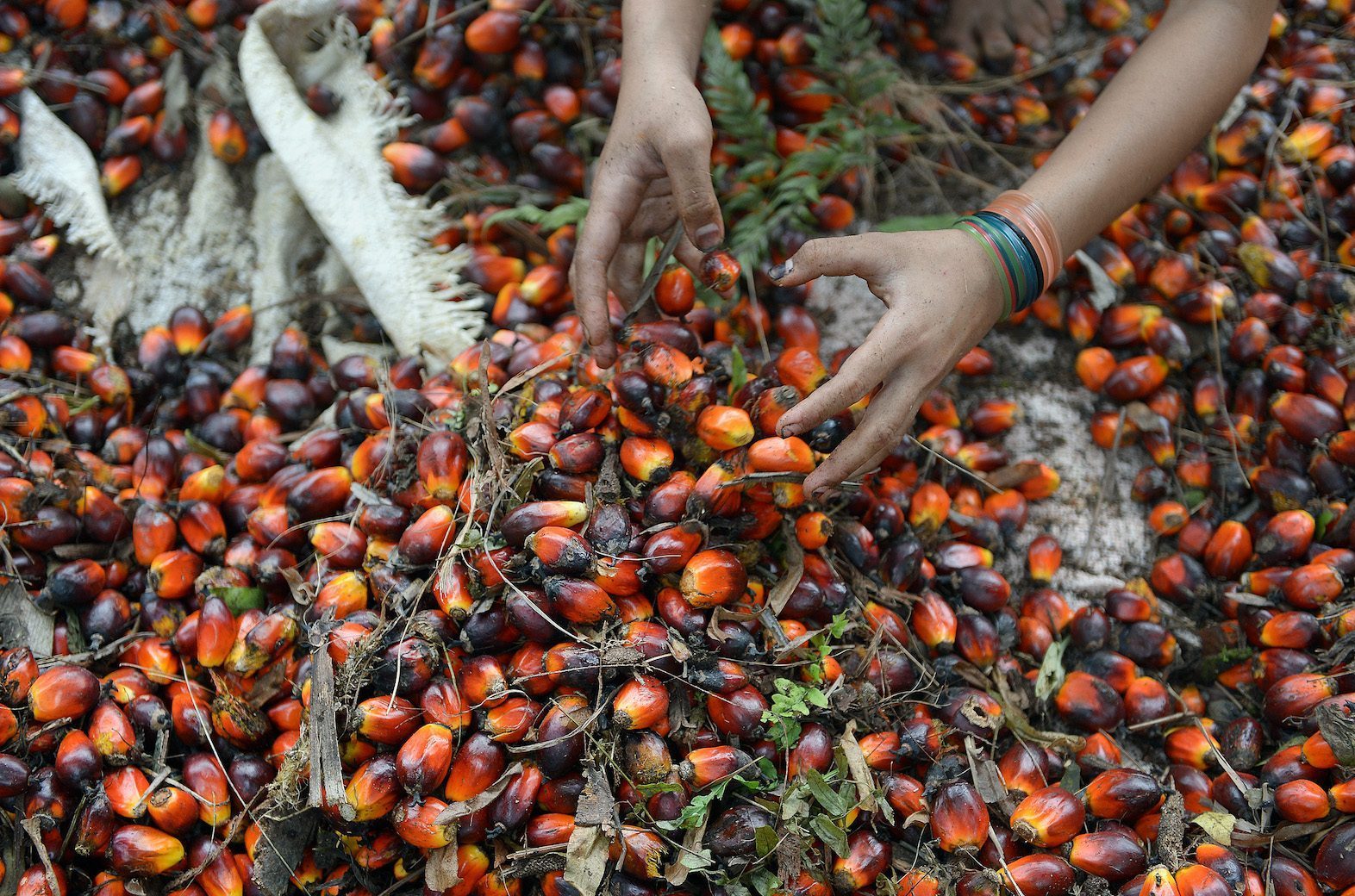
A 135-kilometer road, built through forest that the Marind, an indigenous group, have managed for generations, links Wanam and Muting. At Wanam, the government plans a 481,000-hectare food, energy, and water estate with a port, 263,000 hectares of rice fields, and 146,000 hectares of oil palm plantations. The Ministry of Defense helps run the rice program, and Greenpeace Indonesia says the road also supports military movements at Wanam, blurring the line between food policy and security policy.
Clearing began in August 2024, a year before the required environmental permit was issued. By February 2026, Greenpeace Indonesia estimated that about 7,600 hectares of forest had been cleared. Five Marind villagers filed a lawsuit against that permit in March 2026, and on June 9, the presiding judge ordered the regent to halt construction. Greenpeace says satellite images later showed the road network spanned the full 135 kilometers. On September 18, the court dismissed the case.
It was not the first defeat for local plaintiffs. In 2023, the same court, under the same presiding judge, rejected a case by the Awyu people against a palm oil permit. The Supreme Court rejected their final appeal in 2024 in a 2-to-1 vote. The majority based their ruling on a time limit; the dissenting judge said the permit violated environmental law.
Regional and global implications
The project carries implications beyond Indonesia in three main areas. First, investment and trade. Indonesia is courting Europe and concluded a trade agreement with the EU in September 2025, due to take effect in 2027. The bloc has postponed enacting its anti-deforestation law twice, which covers oil palm. If the law takes effect, forest clearing without clean paperwork could hurt exports. Lenders and buyers may also hesitate over a project that started before its permit existed.
Second, climate credibility. Indonesia has pledged that its forest and land sector will absorb more carbon than it emits by 2030. CELIOS says sugarcane developers, including PT Global Papua Abadi, had cleared nearly 25,000 hectares of their concessions by April this year, a step in the opposite direction. This tension is reminiscent of other resource-driven projects in the region, such as Indonesia's green nickel boom, which has also faced scrutiny over environmental and governance issues.
Third, diplomacy. Papua is a sensitive subject abroad, and some Pacific governments, including Vanuatu, raise concerns about Papuan rights at the United Nations. Reports of cleared forest and displaced villagers add to that outside pressure. Indonesia's broader foreign policy, which some see as masking deeper domestic failures, may face increased international criticism if the project proceeds without adequate safeguards.
Indonesia's concern about food and fuel supply is legitimate, and it is not alone in feeling it. But a plan to stand apart in the name of national security needs a foundation that can withstand scrutiny, at home and abroad. As currently designed and implemented, the Merauke project raises serious questions about legal process, environmental impact, and the true cost of self-reliance.