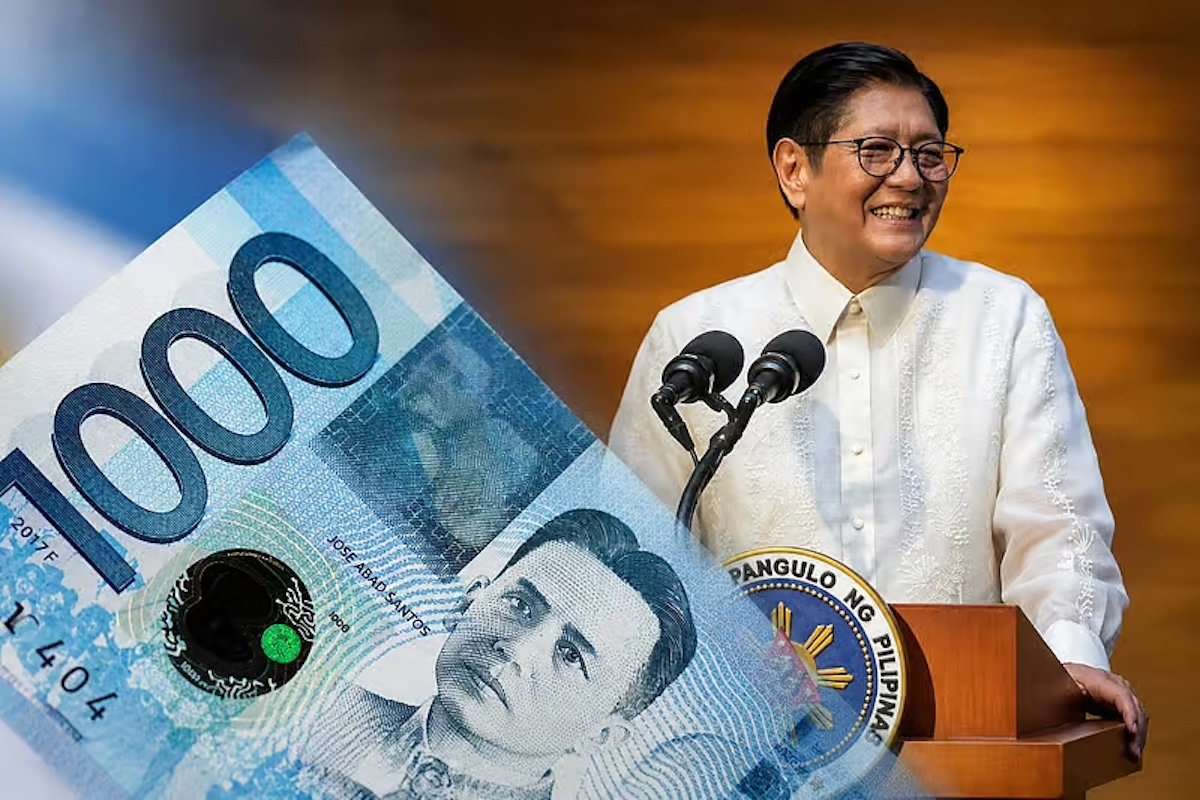
In Manila, the phrase “don’t panic” rarely soothes investors, and President Ferdinand Marcos Jr.’s recent appeal has done little to steady the Philippine peso, which hovers near record lows. The currency’s 8.1% decline this year is not unique in Asia—Indonesia’s rupiah has fallen 8.8%, Thailand’s baht 7%, and India’s rupee 6%—but for the Philippines, the slide is especially disheartening given its $501 billion economy was expected to thrive after a decade of reforms aimed at boosting competitiveness and attracting foreign investment.
Marcos attributes the peso’s weakness to rising oil and food prices triggered by the Iran war, and he has a point. Manila declared a national energy emergency in late March, the first country to do so, citing “imminent danger” to its energy supply. Yet external shocks alone cannot explain the persistent current account and balance-of-payments deficits, nor the disappointing foreign capital inflows that have long plagued the economy.
The Bangko Sentral ng Pilipinas (BSP) has raised rates aggressively, including a 50-basis-point hike to 5.5% last week, but the peso remains under pressure. Governor Eli Remolona’s pledge to remain open to further hikes has not calmed markets, and foreign exchange reserves have slipped below $100 billion. The government vows to defend the peso “as hard as we possibly can,” but what would truly lift it is a revival of the reform agenda that has lost momentum.
Structural cracks and policy drift
Marcos’s administration needs to present a clear package to cut red tape, boost productivity, and reduce corruption. The World Bank has also urged a tax overhaul to increase government revenue. Investors do not buy pesos because officials tell them not to worry; they buy when they see an economy becoming more productive, transparent, and competitive. That confidence is what Manila must win back.
When Marcos took office in 2022, fears of a “Marcos 2.0” regime proved overdone. He earned praise for restoring calm after Rodrigo Duterte’s chaotic presidency, which prioritized a bloody drug war over economic reform. But since then, Marcos has faced mounting criticism over inflation, living costs, and corruption. His approval rating fell to around 29-30% in September, and inflation accelerated to 7.2% year-on-year, up from 6.1% in August.
The Duterte factor still looms large. Vice President Sara Duterte, a frontrunner for the 2028 presidency, faces an impeachment trial over alleged hidden wealth—an irony given the Marcos family’s own history. Meanwhile, the Philippines is highly exposed to artificial intelligence, with business process outsourcing (BPO) and contact centers directly driving about 9% of GDP. From Metro Manila to Cebu City, Davao City, and the Clark Freeport Zone, these facilities support local jobs in restaurants, shopping centers, and transport, filling local government coffers.
The International Labor Organization warns that more than one-quarter of Philippine employment—roughly 12.7 million jobs—is exposed to generative AI. “For the Philippines, the stakes are high,” says ILO economist Khalid Hassan, noting that women face greater exposure due to their concentration in clerical and service roles. Hassan stresses that “skills policy is economic policy—and youth policy,” urging government to provide standards, responsive training, and support during transitions.
Skills policy alone won’t fix the problem. The Marcos government must raise its ambitions and repair economic cracks that date back decades. The peso’s plunge is a reminder that past sins stand in the way of a brighter future. As Manila seeks to strengthen ties with Tokyo and other partners, as seen in recent security cooperation, economic credibility remains the foundation. The Hormuz crisis has hit the Philippines harder than most ASEAN economies, but the response must go beyond emergency measures. A credible reform package, including tax reform and investment in skills, could restore investor confidence. Without it, the peso’s slide may continue, and “don’t panic” will ring hollow.