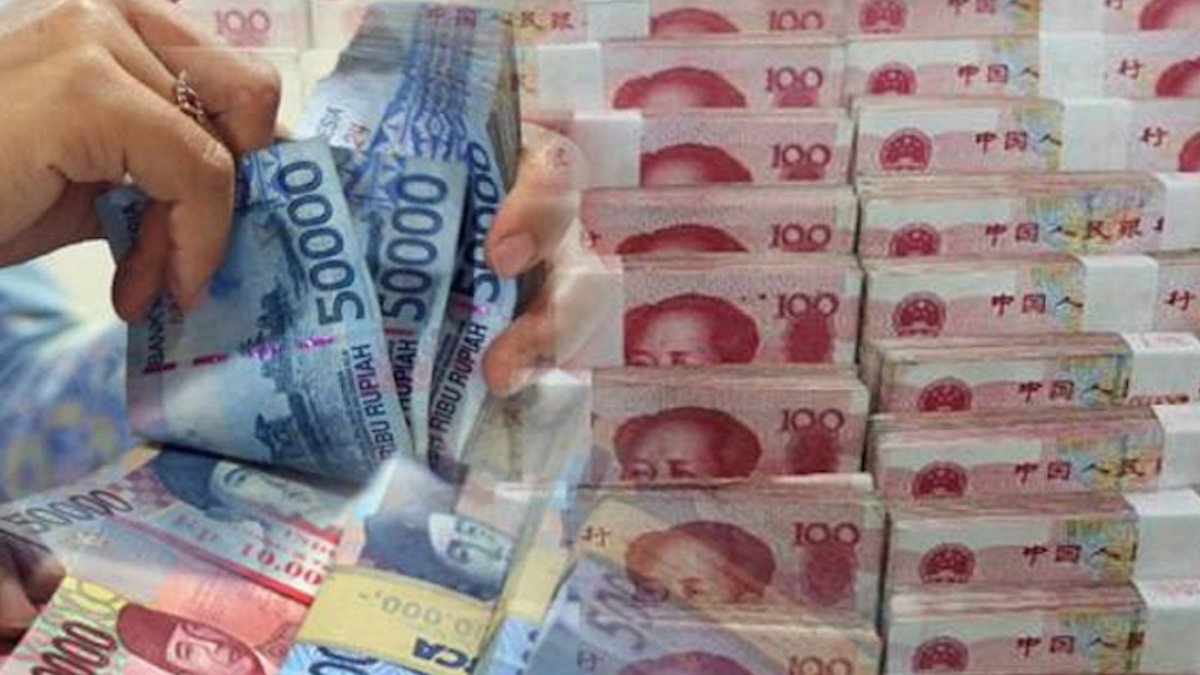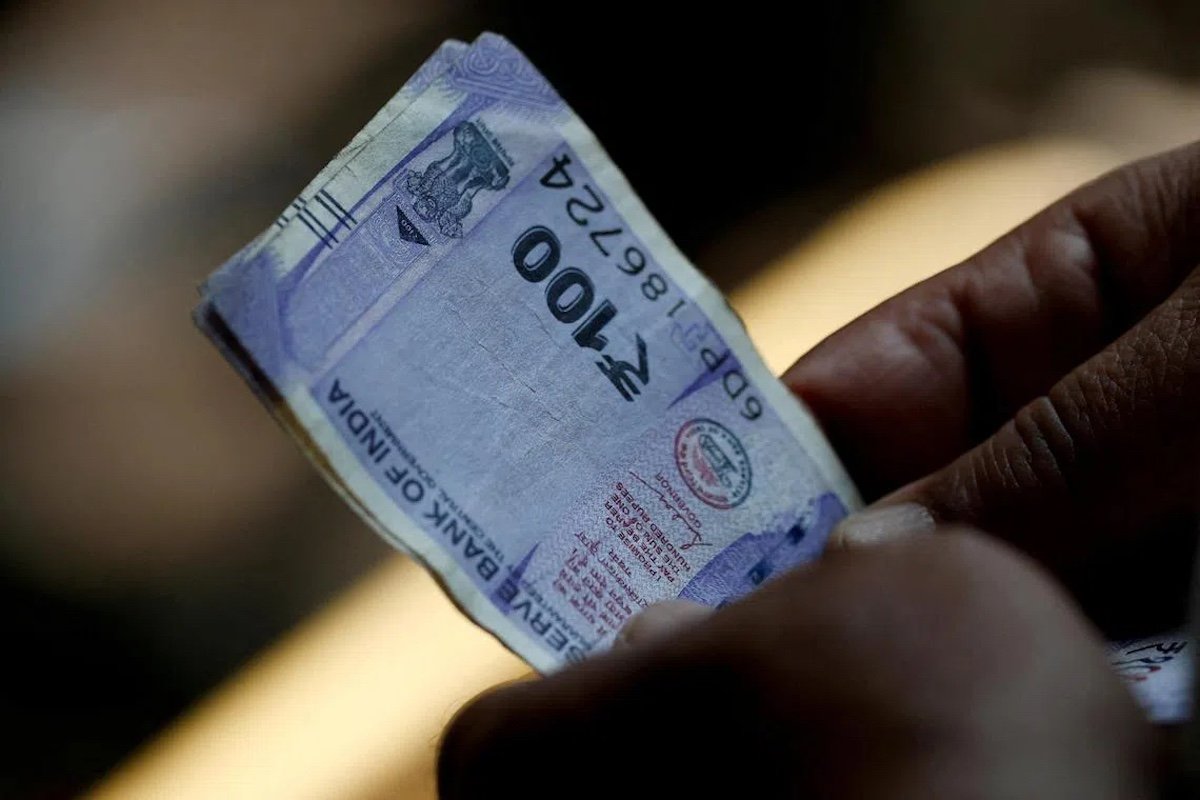
India and Indonesia rarely dominate global financial headlines, but the steep declines of the rupee and rupiah are now sending shockwaves through Asian markets. As the conflict in Iran enters its third month and crude oil trades above $120 per barrel, these two currencies are leading a broader regional sell-off that exposes the vulnerability of energy-importing economies.
Since bombs first fell on Tehran, Asian governments have scrambled to insulate themselves from energy supply shocks. Measures include fuel rationing, expanded subsidies, renewed work-from-home policies, and diplomatic missions to secure alternative oil sources. Yet with the war showing no signs of abating, the rupee, rupiah, and other currencies of nations with chronic fiscal and current-account deficits are running out of room to maneuver.
India's Central Bank Deploys Multiple Tools
At the Reserve Bank of India headquarters in Mumbai, Governor Sanjay Malhotra's team is fighting to put a floor under the exchange rate. The rupee touched a fresh record low of 95.34 against the US dollar this week, and further depreciation looms if the RBI cannot halt foreign capital flight.
The RBI has ordered banks to cap their foreign currency exposure at $100 million per trading day, effectively forcing them to reduce dollar holdings. It is also tapping its vast foreign exchange reserves—which exceeded $700 billion in late April—to support the rupee in both spot and forward markets. Additionally, the central bank tightened regulations on non-deliverable forwards (NDFs), barring banks from offering related derivative contracts to clients, thereby limiting overseas bets against the rupee. A new restriction on rebooking foreign exchange contracts could force the unwinding of up to $50 billion in arbitrage trades.
These measures aim to curb excessive volatility and tame speculative positions, but analysts question their durability if the underlying energy shock persists.
Indonesia's Rupiah Faces 1997-Level Pressures
In Jakarta, Bank Indonesia Governor Perry Warjiyo is pursuing a similar playbook. The rupiah has slumped back to the 17,000 level against the dollar for the first time since the 1997-98 Asian financial crisis—a stark warning sign. The central bank has tightened monetary policy, intervened aggressively in currency markets, and restricted foreign exchange management.
The downward pressure stems from a strong US dollar, capital outflows, rising energy costs, and renewed concerns about fiscal sustainability. Foreign investors are now selling Indonesian government bonds, adding to the strain. Warjiyo stated on April 22 that Bank Indonesia is prepared to further strengthen monetary policy as needed to maintain rupiah stability and keep inflation within the 2026-2027 target range.
Currency traders are pricing in roughly a 33% chance that the rupiah weakens to 18,000 over the next three months. Bets against the Philippine peso are also intensifying. Lloyd Chan, a strategist at MUFG Bank, notes that more credible signs of de-escalation are needed to ease depreciation pressures.
Ashwin Binwani, founder of Alpha Binwani Capital, warns that risks from the stalled ceasefire, a dual blockade on the Strait of Hormuz, and surging inflation mean Asian currencies are far from out of danger. He identifies the rupiah and peso as the most vulnerable as commodity prices climb.
Yen Intervention and Regional Ripple Effects
Japan's yen has also grabbed attention, surging as much as 3% on Thursday—the largest single-day gain in over three years—amid reports that Tokyo intervened for the first time since 2024. Finance Minister Satsuki Katayama said the time for decisive action had arrived, her strongest signal yet of potential intervention to prop up the sagging yen, which is flirting with the psychologically important 160 level.
Kristina Clifton, senior currency strategist at Commonwealth Bank of Australia, cautions that past intervention has had only a temporary effect if underlying fundamentals remain unchanged. Continued yen depreciation may prompt several rounds of intervention, causing larger two-way swings in the dollar-yen rate.
Elliot Hentov, a strategist at State Street Investment Management, identifies Asia as the key region to watch due to its high dependence on physical energy deliveries from the Middle East. Early signs of inflation pass-through are emerging, with the Philippines becoming the first emerging-market central bank to tighten policy. Further rate hikes across emerging markets appear likely, though some central banks may choose to look through near-term inflation toward an eventual growth slowdown.
Hentov warns that re-escalation of war remains possible, but the core risk is an elongated diplomatic process that keeps energy flows blocked. Risk assets globally do not seem priced for sustained disruption and mounting economic costs in energy-sensitive regions.
The broader question is what happens with the dollar. In 1997, a multi-year dollar rally shattered Asia's currency pegs. Today, with the Iran war showing no signs of resolution, the region's central banks are once again fighting a rear-guard action—this time with fewer reserves and higher stakes.