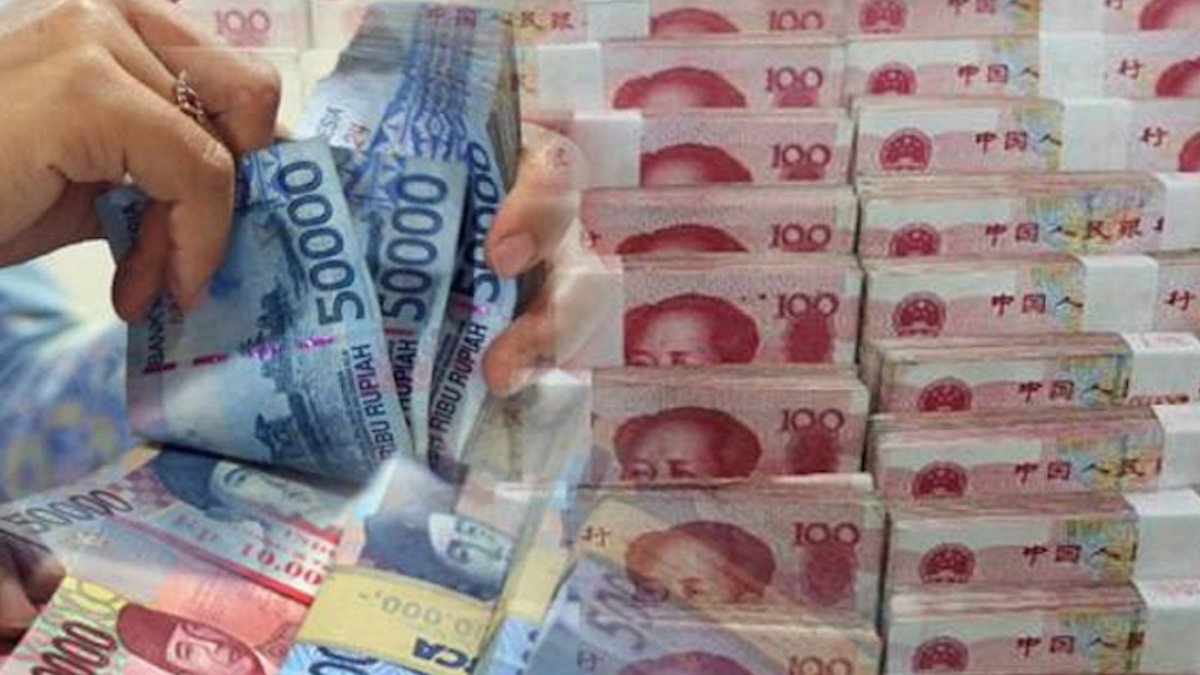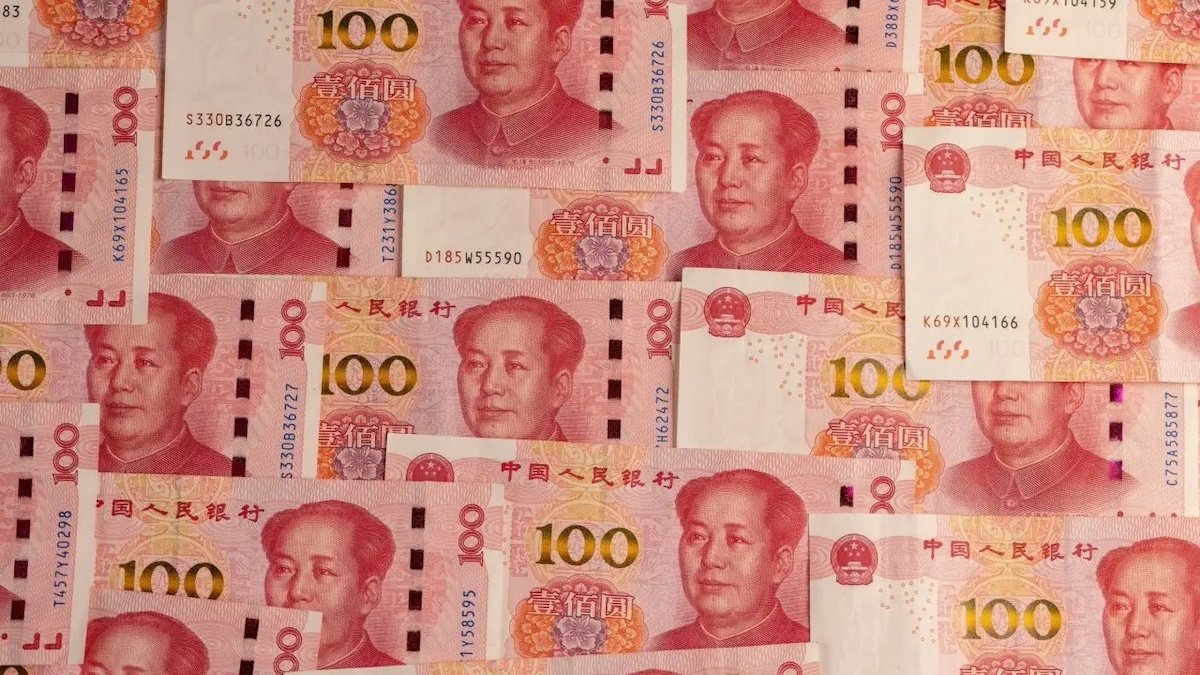
TOKYO — German Chancellor Friedrich Merz has revived the idea of a Plaza Accord 2.0, arguing that China's yuan is undervalued by 30% and that Beijing is "flooding global markets" with artificially cheap goods. His proposal, echoed by European Central Bank President Christine Lagarde and EU Commission President Ursula von der Leyen, aims to curb China's export competitiveness through currency revaluation. But the plan faces fundamental obstacles that make it unlikely to succeed.
Why a New Plaza Accord Won't Work
The original Plaza Accord, signed in 1985 at New York's Plaza Hotel, forced Japan to appreciate the yen sharply. That deal, engineered by the Group of Five, contributed to Japan's asset bubble and subsequent decades of stagnation. As Bill Mitchell, a currency expert at Australia's University of Newcastle, notes, "it's unlikely that the US will be able to bully China into agreeing to a similar deal that the US effectively forced on Japan." He adds that the original accord was "extremely disruptive" with little lasting benefit for the United States.
China is not a member of the Group of Seven, the forum that orchestrated the original pact. Beijing views the Plaza Accord as the opening chapter of Japan's long economic malaise and has no intention of repeating that script. Chinese President Xi Jinping maintains tight control over the yuan through daily fixings and capital controls, and meaningful revaluation remains off the table until the currency becomes fully convertible.
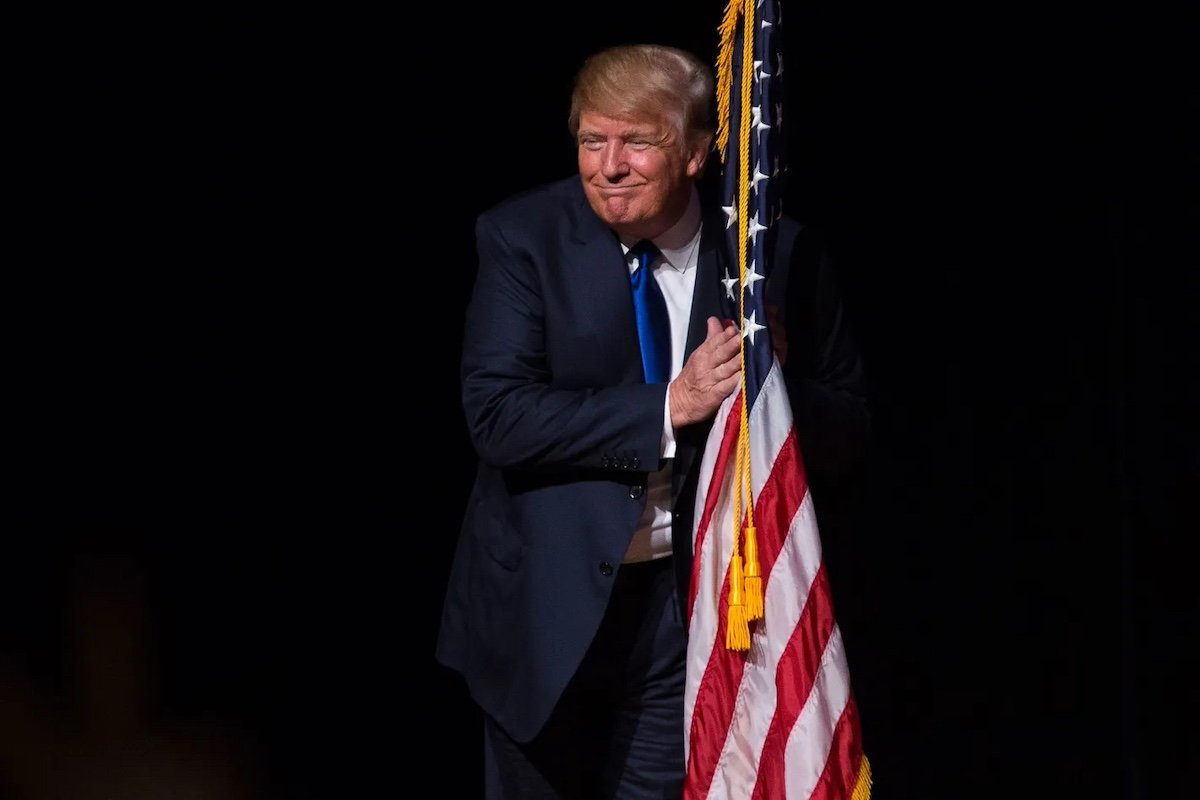
Moreover, the global financial system in 2026 bears little resemblance to that of 1985. US President Donald Trump's own push for a "Mar-a-Lago Accord" — an attempt to resurrect a trade architecture that no longer exists — risks colliding with Merz's plan. Nothing in either leader's political history suggests a harmonious joint US-Eurozone effort on China's currency, especially with Trump favoring transactional pressure over coordinated diplomacy.
Europe's Leverage Problem
The original Plaza Accord worked because the United States, under Treasury Secretary James Baker, dominated the then-Group of Five, and Japan depended heavily on American consumers. Today, Washington has far less influence. Trump's tariffs and the Iran conflict have left the US more isolated and its economy more exposed. China is now the world's largest trading nation, while the European Union's 27 members remain divided and economically fragile. Germany's roughly 90 billion euro trade deficit with China buys Berlin little bargaining power.
Merz also faces challenges unrelated to exchange rates. The real "China Shock 2.0" comes from companies like BYD in electric vehicles and DeepSeek in artificial intelligence. Their rise is reshaping Europe's industrial landscape: Volkswagen is reportedly considering closing four German factories and cutting 100,000 jobs as Chinese firms expand market share. As Volkswagen shareholder Ingo Speich told Reuters, "The high costs are merely a symptom, not the cause… the root cause is weak sales."
German industry isn't being hollowed out solely by Chinese competitiveness — Europe's own weak demand and complacency are part of the story. A stronger yuan might once have helped European manufacturers, but China's rapid move upmarket has changed the equation. Industrial policy, scale, and technological strength in EVs, batteries, solar, and advanced manufacturing now matter far more than cheap labor or exchange rates. Higher trade barriers might work, but a 10–20% yuan appreciation wouldn't erase those advantages.
China's Structural Shift
China is accelerating structural shifts in the global economy. In 2001, its entry into the World Trade Organization unleashed a wave of subsidized textiles, furniture, and basic electronics. The sequel is far more consequential: China is now targeting electric vehicles, clean energy, and high-end manufacturing, reshaping competitive dynamics in sectors that will define the future. As China's 40 million EVs become a distributed AI computing network, the technological gap with Europe widens.
Addressing this "China Shock 2.0" requires far more than currency diplomacy. As McKinsey Global Institute analyst Chris Bradley argues, advanced economies need a deep productivity transformation — innovation, specialization in less cost-sensitive industries, and policies that level the playing field. His what-if analysis suggests that a 30% productivity boost, cost convergence in equipment, energy, and materials, and adopting "China speed" in execution could close 30–80% of the cost gap.
Bradley adds that achieving a new equilibrium means specializing in future-shaping industries, reviving innovation in high-cost economies, and rethinking industrial policy. For Europe, the path forward lies not in forcing yuan appreciation but in competing on technology, scale, and efficiency. As China and the EU launch a permanent trade consultation mechanism, dialogue may prove more productive than currency confrontation.
Ultimately, Merz's Plaza Accord 2.0 talk is a distraction from the real challenge: Europe must reinvent its industrial base to compete with a China that is no longer just a low-cost producer but a technological powerhouse. Currency manipulation won't fix that.