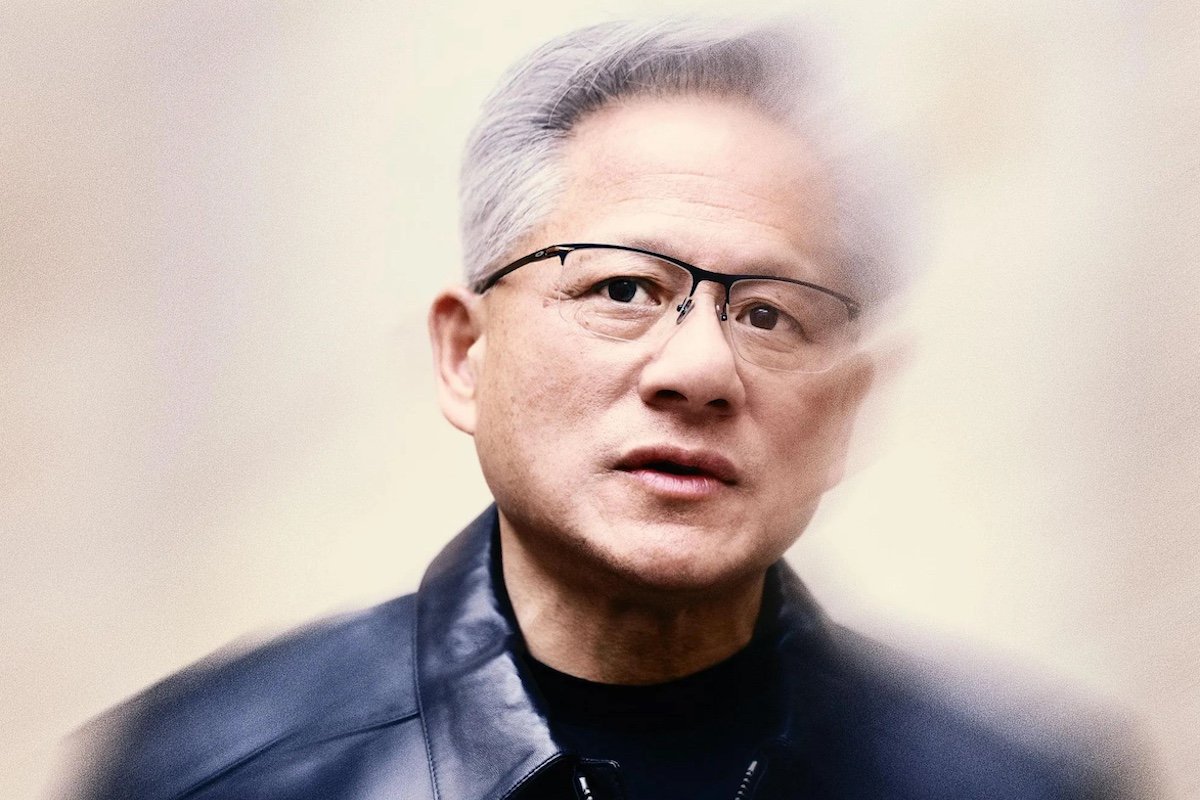
The fall of Jensen Huang, the founder and long-time CEO of Nvidia, reads like a modern-day Shakespearean tragedy. For 33 years, Huang, a figure of immense talent and vision, steered the company to the pinnacle of the global tech industry. His recent removal, however, was not the result of market forces or technological failure, but of a calculated campaign of innuendo and allegation, orchestrated by what can only be described as a cadre of modern-day Iagos within America's power structure.
Huang's crime, in the eyes of his detractors, was not incompetence but a courageous and morally sound stance on technology. He publicly stated that it should not matter whether the United States or China wins the AI race, advocating for open-source models and the democratization of AI for the benefit of all humanity. This position, once a cornerstone of the global tech community, has become a dangerous liability in an era of heightened geopolitical rivalry.
This is not merely a story about one man's downfall; it is a reflection of a broader, more troubling trend in American policy. The strategy of kneecapping competitors, particularly China, through export controls and espionage accusations, is not only short-sighted but also counterproductive. As Huang's exit exposes cracks in US China tech strategy, it becomes clear that such tactics delay progress on critical issues like cancer research and economic abundance, harming everyone.
The Unraveling of a Visionary
Huang's vision was to weave together Asia's tech supply chains with American capital, creating the AI investment boom that has powered frontier labs in the US. His strategy included keeping China engaged, a move that was reportedly endorsed by some in the US government but opposed by others. The leaked State Department memo to the New York Times, questioning Huang's loyalty, and the subsequent allegations of espionage, appear to be the work of those who see any engagement with China as a betrayal.
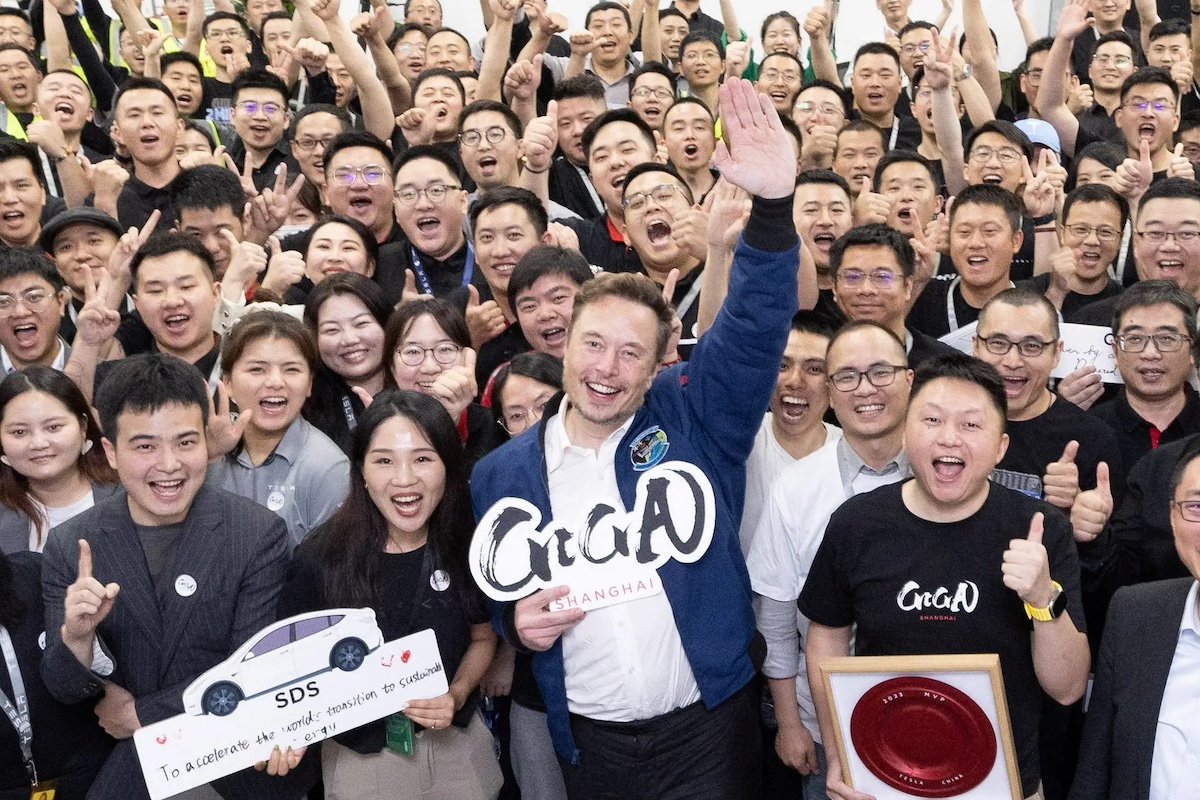
The irony is that while Huang is being vilified, other business leaders, like Elon Musk, hold similar views but lack the courage to voice them. Musk, who generates significant profits from his Shanghai factory, has been mealy-mouthed on the subject, avoiding a direct endorsement of open collaboration. This spinelessness allows him to play a role in American politics while his business interests in China remain protected.
The consequences of Huang's ouster are already being felt. Nvidia's shares have plummeted, and the broader AI growth engines of the US, Taiwan, and South Korea are showing signs of strain. The AI boom that was quietly creating jobs and tax revenue is now at risk, a casualty of political infighting and misplaced priorities.
This is a tragedy not just for Huang, but for the entire region. The modern Venice, as it were, is full of Iagos who would rather destroy a great general than see him succeed. The question now is whether the damage can be undone, or if this marks the beginning of a new, more insular era in technology. The answer will determine not just the future of Nvidia, but the trajectory of AI development worldwide.