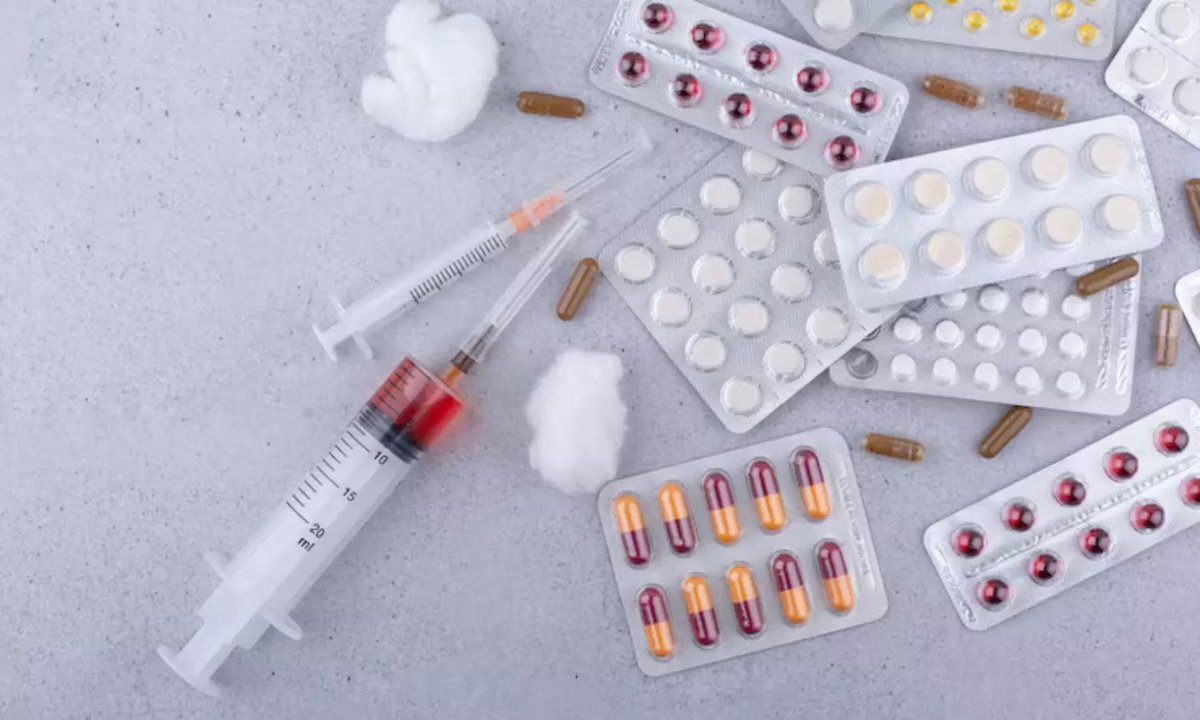
President Donald Trump has announced a plan to impose escalating tariffs on imported generic drugs, a move that directly targets the pharmaceutical supply chains of India and China, the world's largest producers of these medicines. The policy, outlined on his Truth Social platform late Tuesday, would keep tariffs at zero percent until August 1, 2026, then rise to 100 percent for one year, and 200 percent thereafter. The stated goal is to "reshore" generic pharmaceutical production to the United States.
The announcement has drawn sharp criticism from patient advocacy groups and trade watchdogs, who warn that the tariffs could upend a global system that keeps generic drugs affordable for millions of Americans. Generic medications account for roughly 90 percent of all prescriptions filled in the United States, and the vast majority are manufactured in factories in India, China, and Europe.
Impact on Indian and Chinese Manufacturers
India is the world's largest supplier of generic drugs to the US market, with companies like Sun Pharmaceutical Industries, Dr. Reddy's Laboratories, and Cipla exporting billions of dollars worth of medicines annually. China is a major producer of active pharmaceutical ingredients (APIs) used in generics. The tariffs would impose a heavy cost on these exporters, potentially forcing them to either absorb the duties or pass them on to American consumers.
Merith Basey, CEO of the advocacy group Patients for Affordable Drugs, argued that "if the administration intends to lower prescription drug prices, it should not pursue policies that threaten to raise them. Imposing massive tariffs on generic medicines risks making lower-cost generic drugs millions of Americans rely on more expensive and harder to access."
Basey stressed that "seniors, people with chronic conditions, and patients who rely on multiple prescriptions could be particularly hard hit." She urged the administration to focus on brand-name drug companies that "abuse their monopoly power to block competition."
The watchdog Public Citizen also condemned the plan. Peter Maybarduk, the group's Access to Medicines director, warned that the tariffs "will drive up price, force rationing of key medicines, and needlessly create scarcity problems." He noted that the sole respite from Trump's earlier tariff plans on brand-name drugs had been that generics were exempt, but now "Trump has erased even that modest protection."
The administration intends to use Section 232 of the Trade Expansion Act of 1962 to impose the tariffs, according to a White House official who spoke to Politico. This is the same legal authority used to justify tariffs on steel and aluminum imports. The move follows a similar policy targeting brand-name drugs announced in April, which was also criticized for its potential to disrupt supply chains.
Trump claimed that the brand-name drug policy has been "so successful" and that "pharmaceutical facilities are being built, at a level never seen before, all over the United States." However, critics argue that the high costs and regulatory hurdles make it unlikely that drugmakers will invest billions to relocate production from established hubs in India and China.
The tariffs come amid broader trade tensions between Washington and Beijing, as well as New Delhi. Trump has repeatedly accused China of unfair trade practices and has sought to reduce US dependence on Chinese manufacturing. The generic drug tariff plan is the latest in a series of measures aimed at reshaping global supply chains, including recent actions in the Strait of Hormuz and ongoing disputes over technology and intellectual property.
For patients in the United States, the immediate concern is access to affordable medicines. The Los Angeles Times reported that the tariffs "risk upending a global supply chain that keeps generic medicines affordable for Americans." These drugs include everyday painkillers, antibiotics, and treatments for chronic conditions like cholesterol and cancer.
The policy also has implications for the broader Indo-Pacific region. India and China are key players in the global pharmaceutical industry, and any disruption to their exports could have ripple effects on their economies and trade relationships. The tariffs could also strain diplomatic ties, as both countries have sought to deepen economic cooperation with the United States in recent years.
As the August 2026 deadline approaches, the debate over the tariffs is likely to intensify. Patient advocates and industry groups are expected to lobby Congress and the administration to reconsider the policy, while pharmaceutical companies in India and China may explore alternative markets or invest in US production facilities to avoid the penalties.