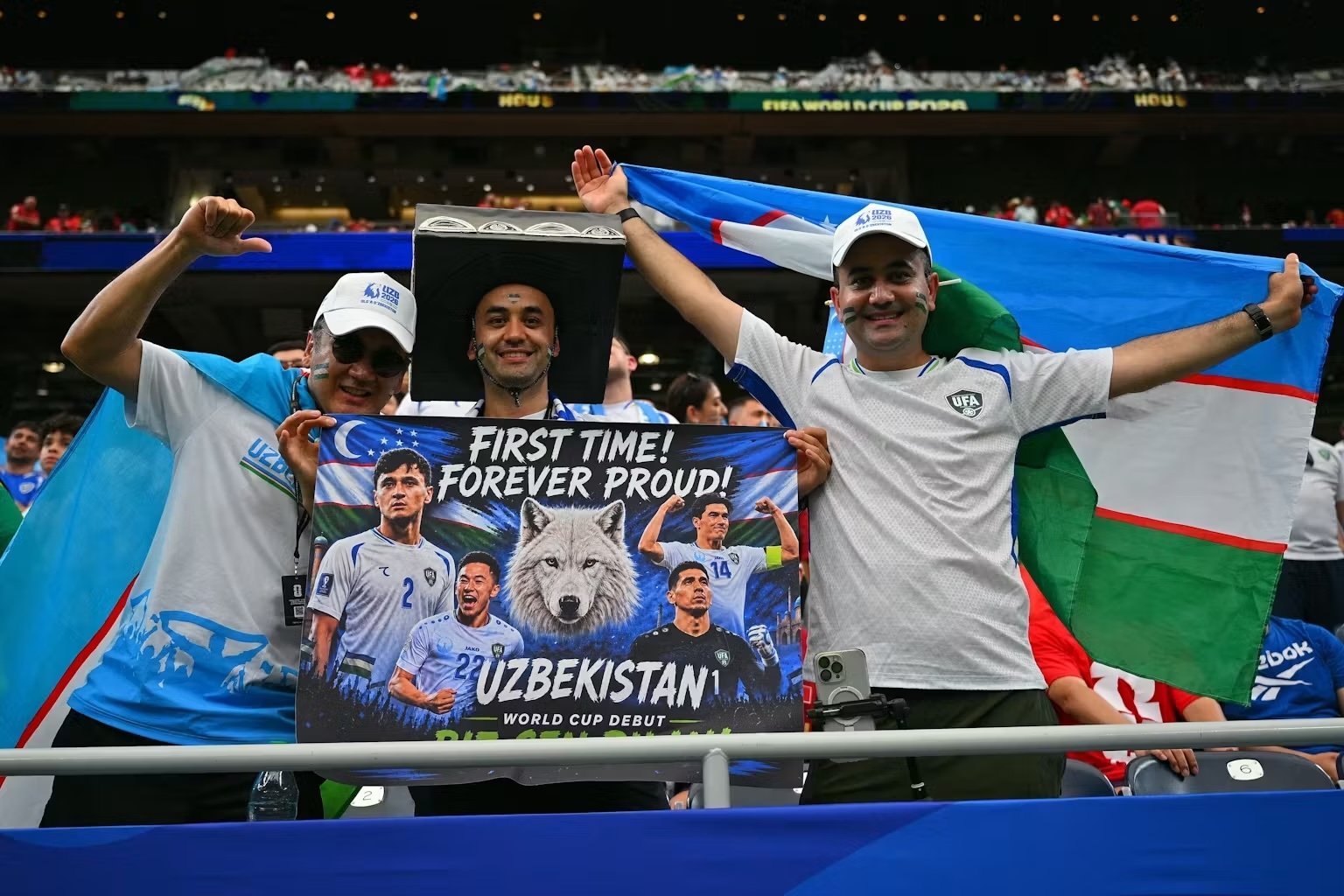
When the expanded men's World Cup kicks off in 2026, fans will see several debutants on the pitch. Among them is Uzbekistan, a landlocked nation in Central Asia that has quietly defied decades of pessimistic forecasts. Its qualification marks the first time any Central Asian state has reached soccer's premier tournament, and the story behind it is as much about geopolitics as it is about sport.
In the 1990s, Western analysts often painted Central Asia as a powder keg. Zbigniew Brzezinski, the former US national security adviser, famously called the region the "Eurasian Balkans" on what he termed the "grand chessboard" of great-power rivalry. The Ferghana Valley—where Uzbekistan, Kyrgyzstan, and Tajikistan meet—was singled out as a potential hotbed of terrorism and extremism. A 1999 US policy report warned that without American intervention, the valley could become "a breeding ground of terrorism."
Yet Uzbekistan has followed a different path. Under President Shavkat Mirziyoyev, who succeeded Islam Karimov in 2016, the country has pursued cautious economic liberalization and regional diplomacy. Tashkent has mended ties with neighbors, reopened border crossings, and attracted foreign investment in infrastructure and energy. The World Cup qualification is a visible payoff: a symbol of stability and growing international engagement.
From 'Eurasian Balkans' to World Stage
The transformation is not just political. Uzbekistan's economy has grown steadily, driven by natural gas exports, cotton, and a nascent manufacturing sector. The government has invested in sports facilities and youth programs, part of a broader push to project a modern image. The national football team's success—built on disciplined defense and counterattacks—mirrors the country's incremental, pragmatic approach to development.
Critics note that Uzbekistan remains an authoritarian state with a poor human rights record. Political dissent is suppressed, and the media operates under tight control. But for many Central Asians, the World Cup appearance is a source of pride. It challenges the narrative that the region is inherently unstable or dependent on outside help.
The broader context matters. Central Asia has become a theater of competition between China, Russia, and the West. Beijing's Belt and Road Initiative has poured billions into infrastructure across the region, including railways and pipelines linking Uzbekistan to Chinese markets. Meanwhile, Moscow maintains security ties through the Collective Security Treaty Organization. The US, once heavily involved in Afghanistan, has reduced its footprint but still engages through economic and diplomatic channels.
Uzbekistan's qualification also highlights a shift in global soccer. The 2026 tournament, co-hosted by the US, Canada, and Mexico, will feature 48 teams, up from 32. This expansion has given smaller nations a realistic shot at qualification. For Central Asia, it is an opportunity to showcase a region often overlooked in favor of East Asia or the Middle East.
As the team prepares for its debut, the Uzbek Football Association has emphasized grassroots development. Academies in Tashkent, Samarkand, and Bukhara are nurturing young talent. The hope is that the World Cup will inspire a new generation and attract further investment in sports and tourism.
The Ferghana Valley, once a byword for danger, is now home to a national team that will face the world's best. That alone is a testament to how much Central Asia has changed—and how much it still has to offer.