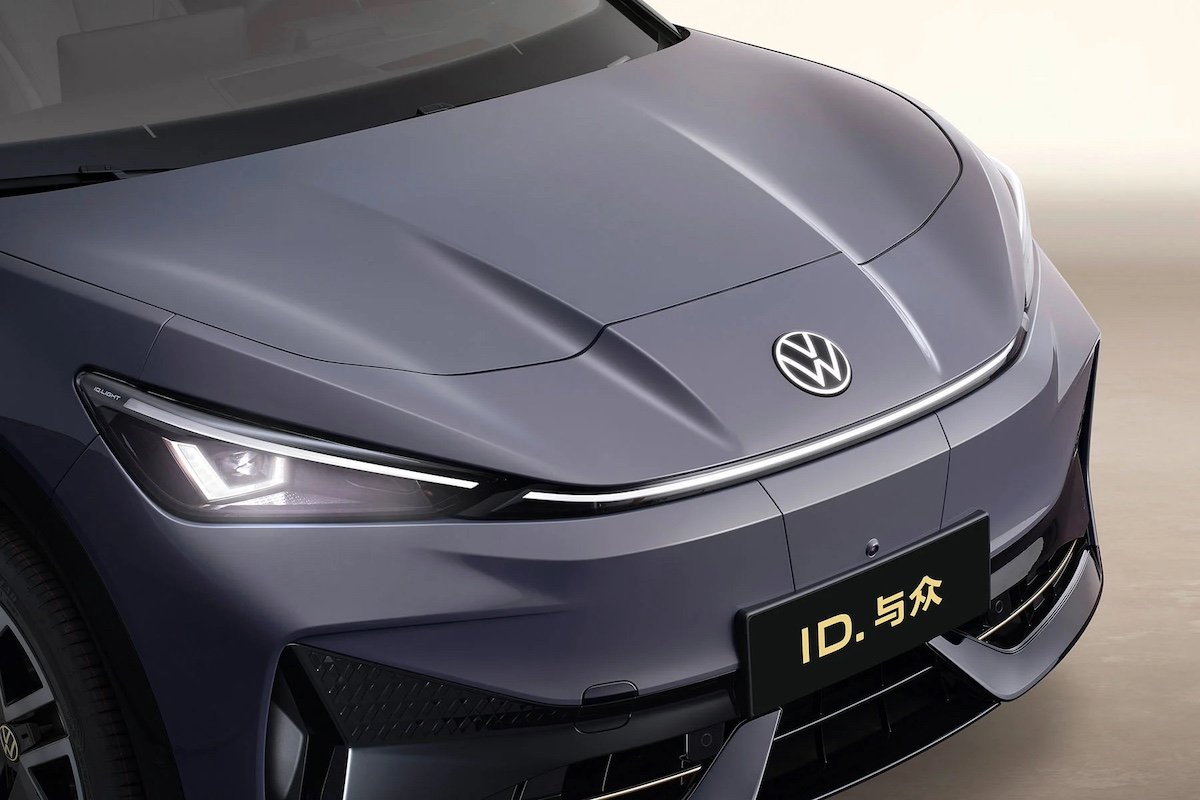
Volkswagen's latest move to secure its electric-vehicle future underscores a uncomfortable reality for European policymakers: the continent's battery ambitions remain deeply intertwined with Chinese technology. On September 28, the German automaker and China's Gotion High-Tech agreed to expand their existing partnership, with Gotion investing about 1.1 billion euros (US$1.25 billion) for a 49% stake in Volkswagen's battery plant in Valencia, Spain. In return, Volkswagen's battery subsidiary PowerCo will contribute roughly 470 million euros for 49% stakes in Gotion-led projects in Slovakia and Morocco.
The deal, subject to regulatory approvals, illustrates the bind facing Europe's battery industry. Brussels has spent years trying to reduce its strategic dependence on China, particularly in clean technology. Yet carmakers need affordable, proven batteries at scale to keep their electric models competitive. In practice, "de-risking" is evolving into a search for interdependence on more manageable terms, rather than outright decoupling.
Deepening ties with a familiar partner
Volkswagen is no stranger to Gotion. In 2020, it became the first global carmaker to take a direct stake in a Chinese battery maker, and it remains a major shareholder. The relationship has since matured from capital and supply agreements into joint technology and industrial production. The ownership structure of the new ventures reflects careful calibration: PowerCo will retain 51% of the Valencia operation, ensuring majority control of what is planned as Europe's main hub for lithium iron phosphate (LFP) batteries. In Surany, Slovakia, and Kenitra, Morocco, Gotion will hold 51% and PowerCo 49%, with management shared.
Volkswagen is also selling a 5.3% stake in Gotion to an undisclosed buyer, though its voting position remains unchanged because part of its existing holding carries no voting rights. It will keep its board seat and strategic investor status.
The strategic logic is clear. LFP batteries are increasingly vital for mass-market electric vehicles and stationary storage, offering affordability and durability. Volkswagen expects LFP's share of the European battery market to rise sharply by 2030. But manufacturing capacity alone is not enough. Battery competitiveness depends on cathode materials, specialized equipment, supplier networks, and years of production-line refinement.
The new partnership localizes several links in that chain. Valencia will produce LFP cells inside the EU, while Surany adds a second cell plant in Slovakia. Kenitra will make cathode material on Morocco's Mediterranean coast. The agreement also covers joint procurement and sales in Europe. Yet what the deal leaves out is just as important: upstream minerals, precursor materials, parts of the specialized machinery base, and much of the manufacturing know-how behind Chinese LFP production will continue to come from a broader ecosystem that Europe cannot replicate with three factories alone.
Morocco's emerging battery cluster
Morocco features prominently in the plan. Gotion is already developing a separate, integrated battery gigafactory in the Rabat-Sale-Kenitra region, for which the African Development Bank approved a 100 million euros loan in July. The first phase is designed for 10 gigawatt-hours of annual LFP cell and pack capacity, with longer-term expansion planned. PowerCo's new 49% investment covers only the cathode-material joint venture in Kenitra; Gotion's broader gigafactory is a separate project. Together, these investments point to a battery cluster taking shape around Kenitra, with different projects covering different production stages.
Morocco already has the industrial base to make that plausible. Stellantis is expanding its Kenitra plant toward an annual capacity of more than 500,000 vehicles. Automotive suppliers, export logistics, and European-oriented production networks are well established, and the country's proximity to southern Europe allows components to cross the Mediterranean without the long transit distances of Asian supply chains. For Gotion, that means a production base near European customers. For Volkswagen, Moroccan cathode output can broaden the regional supply base for its European battery plants. Morocco, in turn, gains access to a stage of the electric-vehicle chain with more industrial depth than conventional assembly.
Still, the benefits of localization will depend on what develops around the factories once production begins. A cathode plant can create a new source of material without automatically generating the chemical, engineering, and equipment ecosystem around it. A European cell factory can shorten supply routes while still depending on technology refined elsewhere. The more consequential question will be whether local suppliers, technicians, and engineers move in to fill the gaps.
Here, the Volkswagen-Gotion deal could matter well beyond its initial investment figures. Shared production would give European engineers and managers closer contact with LFP manufacturing. Majority ownership in Valencia gives PowerCo direct operational influence. In Slovakia and Morocco, Gotion's majority stakes give the Chinese company a strong incentive to transfer enough expertise for the sites to run efficiently. The result will inevitably be uneven localization. Some stages can move quickly; others depend on supplier depth and technical knowledge built over many years.
That distinction is easy to miss when trade policy moves faster than factories. Tariffs can change the price of an imported battery within months. Developing engineers, supplier relationships, process knowledge, and dependable product quality takes years. The Volkswagen-Gotion deal is a pragmatic acknowledgment that Europe's battery future will be built in partnership with China, not in isolation from it. As the region navigates its shifting trade dynamics, this interdependence may become the new normal.