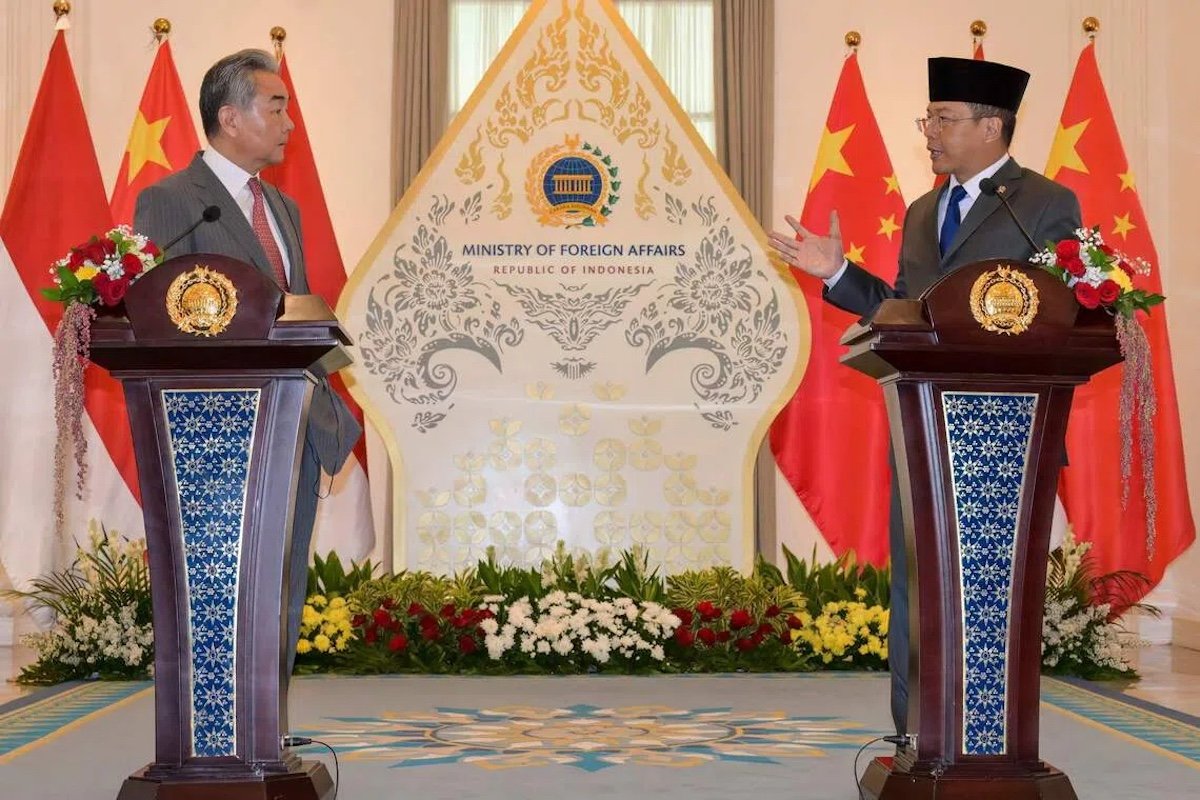
Chinese Foreign Minister Wang Yi's three-day visit to Jakarta in late August was framed as a diplomatic triumph, launching a Comprehensive Strategic Dialogue and a second round of foreign and defense ministerial talks. Yet the celebratory tone masks a more complicated reality, shaped by events in the weeks before his arrival.
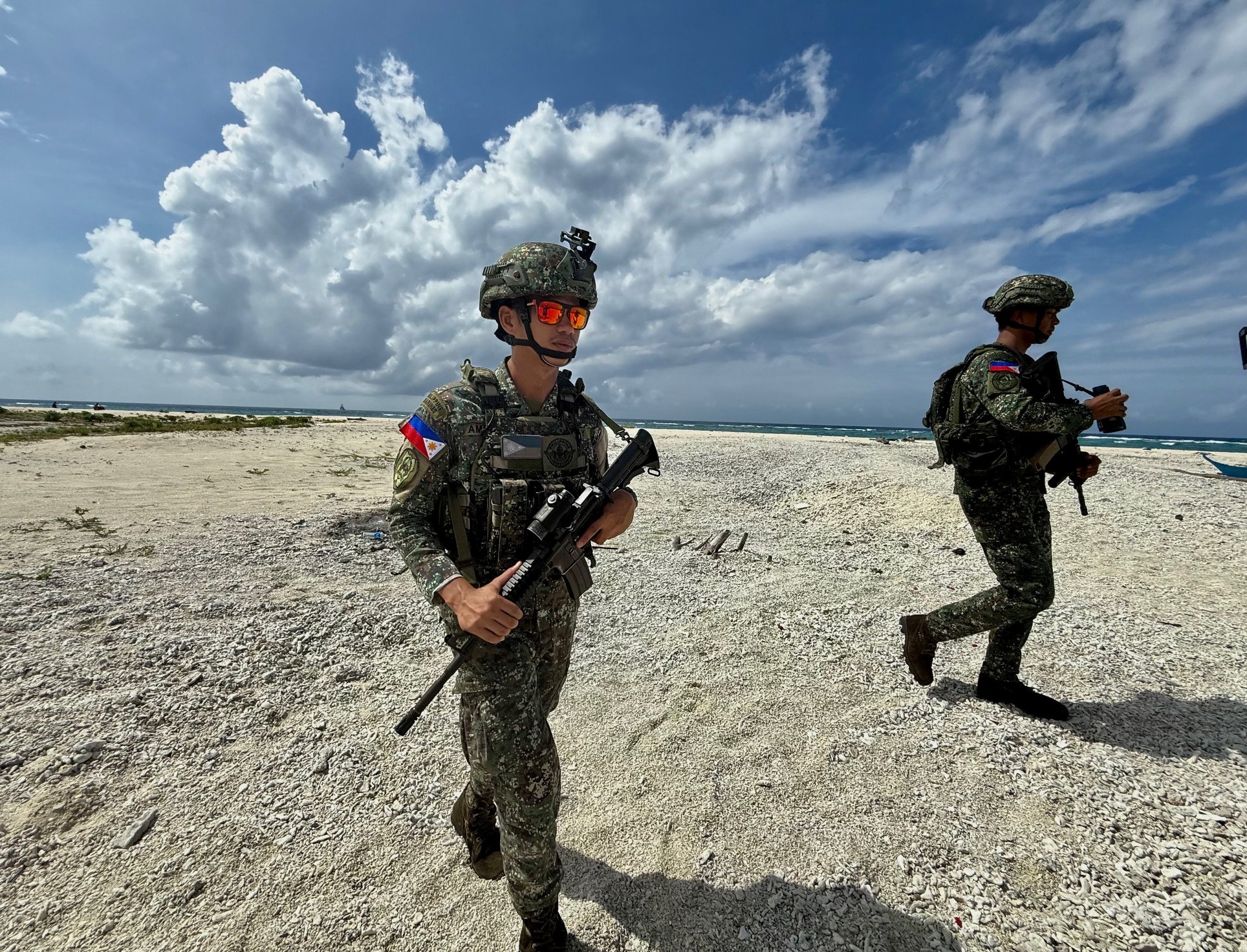
On August 12, an Indonesian frigate conducted a joint naval exercise with a Chinese warship east of Taiwan—the first such drill between China and any foreign navy in that area. Jakarta described it as a routine "passing exercise," while Taipei called it a "military provocation." The timing, coinciding with a meeting between Indonesia's defense minister and a senior US defense official, underscores Jakarta's delicate balancing act between Beijing and Washington.
Military cooperation deepens, questions remain
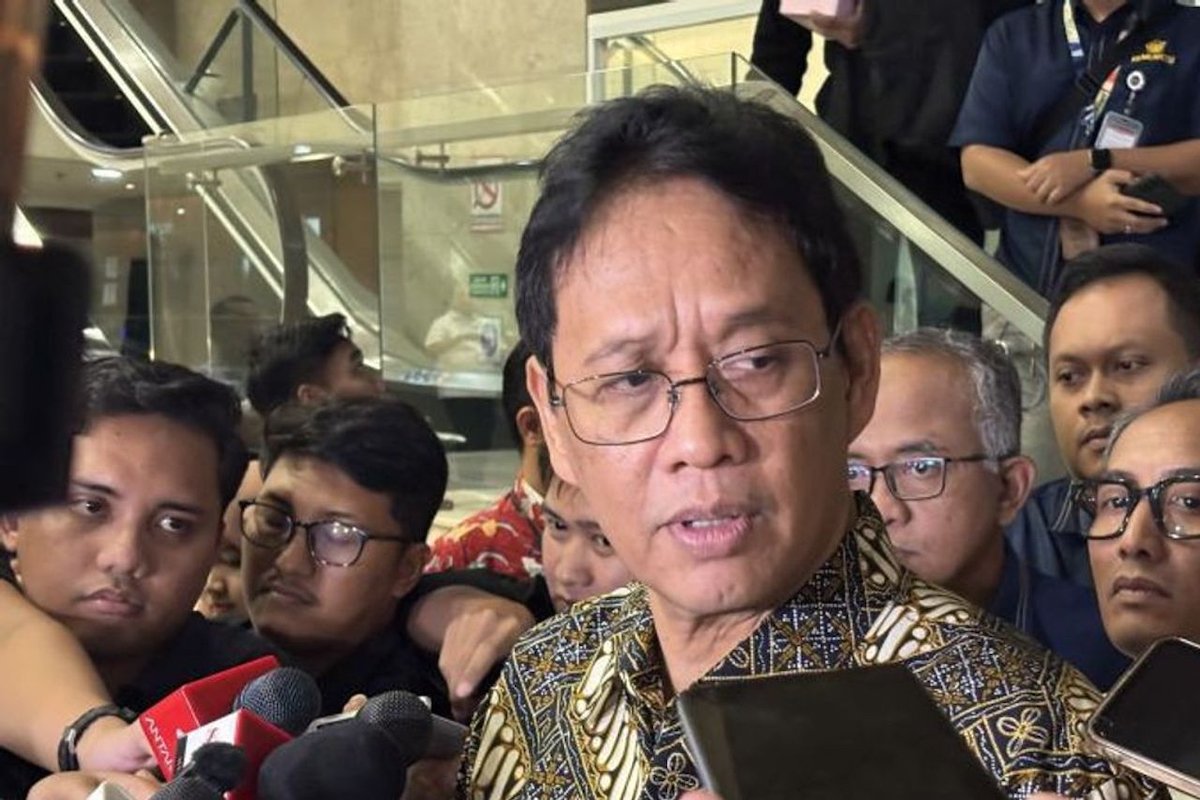
The most concrete outcome was the announcement by Indonesian Defense Minister Sjafrie Sjamsoeddin of a joint factory to produce ammunition, missiles, and rockets, with Chinese technology transfer targeted by 2027. However, key details remain vague: which Chinese company will participate, ownership structures, and the extent of genuine technology transfer versus mere assembly of imported parts. Sjafrie also denied any talks on purchasing Chinese J-10 jets, a proposal he had floated earlier, and insisted the meeting did not address a US request for military overflight rights—a denial that analysts say warrants scrutiny given the Taiwan-area drill.
This military alignment is part of a broader trend. Indonesia has been expanding defense cooperation with China, as seen in China's hypersonic missile developments that are reshaping regional power dynamics. The joint exercise and planned factory suggest Jakarta is willing to deepen military ties with Beijing, even as it maintains security links with Washington.
Economic tensions simmer beneath the surface
In May, Chinese firms in Indonesia sent an unusually blunt open letter to President Prabowo Subianto through the China Chamber of Commerce, complaining about sudden regulatory changes, nickel mining quota cuts, new foreign exchange rules, and what they called corruption and extortion by local officials. Wang Yi's request for a "safe, stable, and good" business environment for Chinese companies echoed these grievances at the highest diplomatic level.
Luhut Binsar Pandjaitan, Indonesia's top economic minister, responded that cooperation "cannot stop at grand projects on paper" and must deliver real jobs, technology, and the right standards—though no metrics were provided. The tension between Jakarta's resource nationalism and Chinese investors' demand for regulatory certainty remains unresolved.
The Jakarta-Bandung high-speed rail line, a flagship project, continues to face debt problems despite repeated assurances that negotiations are "going smoothly." Indonesia's recent decision to join a China-led global AI governance body, alongside Russia and Pakistan but no G7 country, was made with little public debate, raising concerns about transparency in technology partnerships.
South China Sea and sovereignty concerns
Both sides reiterated support for a long-delayed regional code of conduct in the South China Sea, but the dispute over the Natuna Sea—where Chinese coast guard vessels have operated in Indonesia's exclusive economic zone—was not addressed by name. Wang Yi urged Indonesia to jointly resist "bullying" by other powers, a clear reference to the US, but the Natuna issue remains a sore point.
Days after Prabowo's inauguration in October 2024, a Chinese coast guard vessel obstructed a Pertamina seismic survey near Natuna, testing the new government's resolve. Critics argue that Prabowo is bowing to Beijing's pressure tactics, a perception reinforced by the lack of public accountability in these closed-door negotiations.
Indonesia's "free and active" foreign policy doctrine appears increasingly less like an even balance and more like a series of overlapping, opaque bargains. The February 2026 trade deal with Washington, which cut US tariffs from 32% to 19%, may constrain Indonesia's economic dealings with China, but the full implications of these deals—for sovereignty, economic security, and regional stability—remain unclear.
As Jakarta navigates between the world's two largest powers, the hidden costs of its partnerships are becoming harder to ignore. The public and parliament have limited visibility into what is being traded for what, and the long-term consequences for Indonesia's national interests are uncertain.