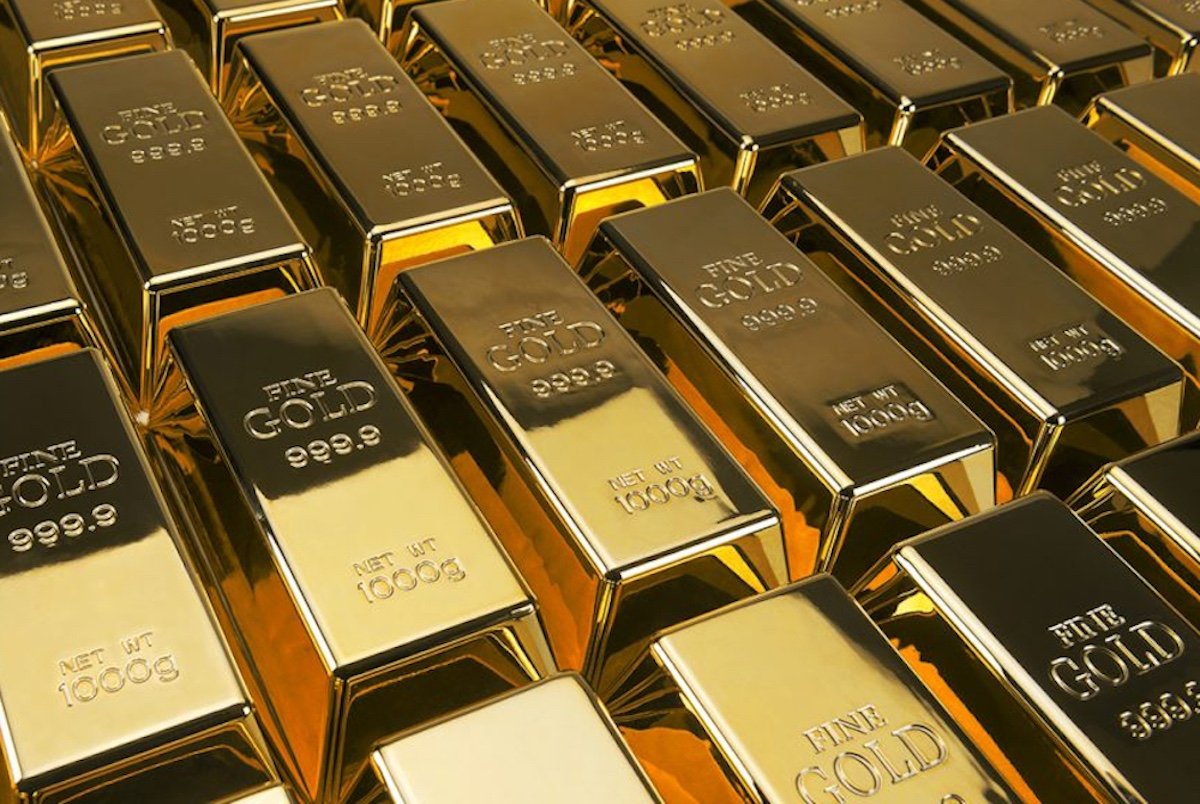
TOKYO — The People's Bank of China's State Administration of Foreign Exchange, known by the acronym SAFE, is having a tense July. After 20 consecutive months of gold purchases, including a 15-ton addition in June — its largest monthly buy of 2026 — the metal's 20% decline since then has caught Governor Pan Gongsheng's team off guard.
China is not alone in this predicament. The Reserve Bank of India and the Bank of Japan have also been accumulating gold, making this an Asia-wide challenge. With gold trading around US$4,000 an ounce, down from a January peak above $5,600, two questions dominate: why is gold plunging, and what will central banks do next?
Why Gold's Rally Unraveled
The conventional logic that gold should thrive amid geopolitical turmoil and US fiscal instability has been upended. The US national debt nearing $40 trillion, persistent inflation at 3.5-4%, and the Trump administration's tariffs and military posture should have weakened the dollar. Instead, the opposite occurred.
The Iran conflict, which began on February 28, proved dollar-positive. Surging oil prices pushed US inflation expectations higher, stiffening the Federal Reserve's resistance to rate cuts. Investors leaned into the petrodollar dynamic, favoring the currency that oil is priced in over the metal that normally feeds on fear.
Kevin Warsh's arrival as Fed chair last month accelerated this trend. Contrary to expectations that he would be a dovish Trump appointee, Warsh has signaled a hawkish stance. With traders betting on rate hikes rather than cuts, real yields remain elevated — a drag on gold, which pays no interest. Heavy exchange-traded fund outflows as investors rotate back into tech stocks have further dimmed gold's luster.
Central Banks at a Crossroads
The structural case for gold remains intact: US debt keeps surging, central banks want to diversify away from Treasuries, and sanctions risk tied to Russia's frozen 2022 reserves continues to worry global investors. But the rapid unwinding of gold's rally tests the resolve of Asian monetary authorities.
Poland's National Bank of Poland, the world's largest gold holder, has added 82 tons to its reserves this year. Governor Adam Glapinski told reporters, “We've been consistently buying gold, taking advantage of the recent price drops. This isn't some kind of race or a purchase made merely for the sake of it. There is a deep sense in the state's role in ensuring the security of Poland and Poles under all circumstances, including wartime, which of course we're not expecting.”
Bob Haberkorn, senior market strategist at Stone X Group, noted “some bargain hunting” after the drop, but added that “in the short term, the main driver for gold is the Fed.” Carsten Minke, head of next-generation research at Julius Baer, agreed: “All that the gold and silver markets care about right now is whether the Federal Reserve will raise interest rates or not. We do not expect the Federal Reserve to raise interest rates, as it is likely that part of the inflationary pressure is temporary.”
Wednesday's US inflation data offered some relief: consumer prices rose a less-than-expected 3.5% year-on-year in June, down from 4.2% in May. Nationwide chief economist Kathy Bostjancic said the softer reading “gives the Fed breathing room in deciding whether and when to raise interest rates.” Moody's Analytics chief economist Mark Zandi added that “the worst is over, we're past the peak and inflation should moderate,” though he warned that “the biggest threat is that things unravel and we're back to full-blown war with the Strait of Hormuz shut down.”
Goldman Sachs Research cautioned that “a serious re-escalation of the conflict would threaten to revive the key upside risk to inflation and raise the odds of rate hikes.” Testifying before Congress, Warsh pushed back against premature optimism: “There might be some that look at this morning's data and say, 'Oh, mission accomplished! Everything is swell.' That is not my view.” He stressed the Fed has “no tolerance” for a years-long inflation surge.
Saxo Bank strategist Ole Hansen doubts the Fed will hike this year, which could support gold. “We hold onto the view that easing inflationary pressures in the coming months may start to change the rate hike narrative,” he said.
For Asia's central banks, the decision is fraught. Buying the dip aligns with long-term de-dollarization goals, but selling could protect state assets from further losses. The PBOC, RBI, and BOJ must weigh their strategic ambitions against market realities — a test of whether the glitter of gold endures beyond the current storm.