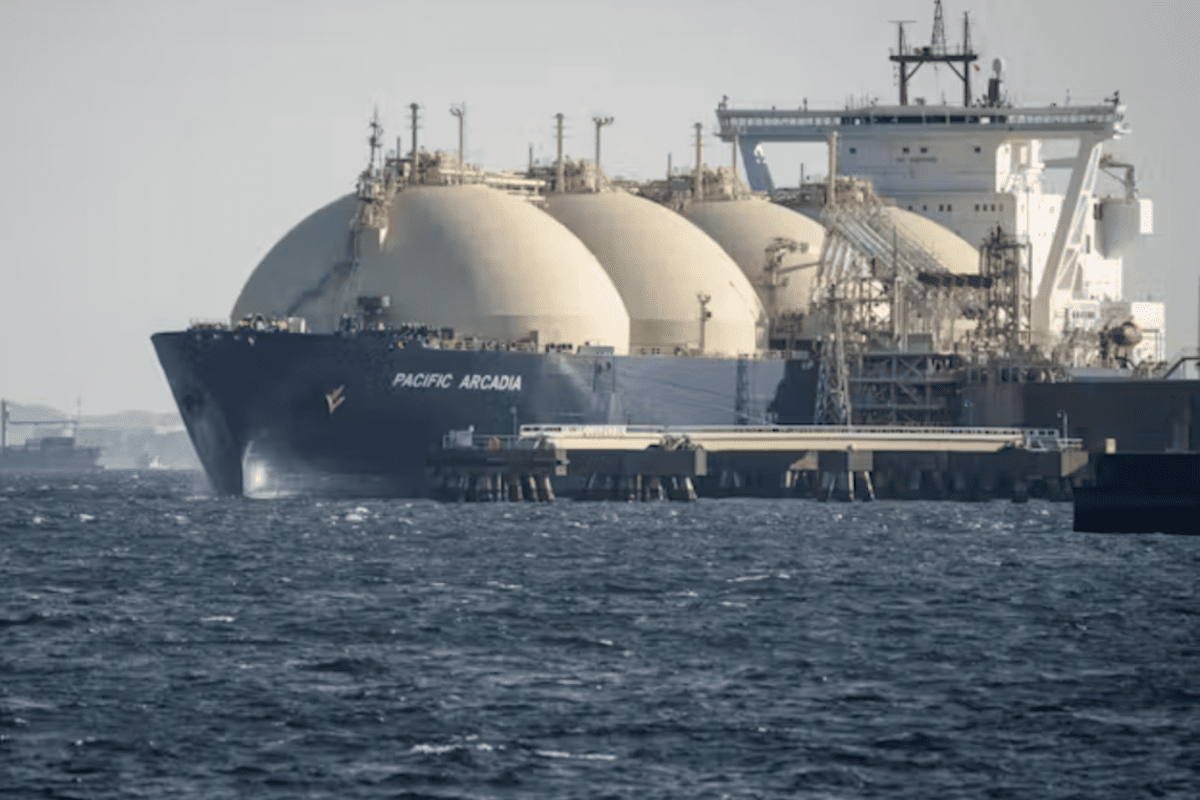
When Japan's Foreign Minister Motegi Toshimitsu called his Iranian counterpart, Abbas Araghchi, on September 8, 2026, it was the ninth such conversation since March. The topic was the de facto closure of the Strait of Hormuz, a waterway that carries 93% of Japan's crude imports and supplies 94% of its oil from the Middle East. The crisis has exposed a vulnerability Tokyo has long managed but never fully addressed: its energy lifeline runs through a maritime environment it does not control.
Japan's immediate response has been to draw down stockpiles and rely on domestic refining capacity, but the shock has prompted a deeper strategic rethink. Over the summer, Prime Minister Sanae Takaichi's government unveiled POWERR GX, a policy package designed to diversify crude and naphtha supplies, strengthen reserves, support alternative transport routes, secure shipping insurance, and expand nuclear power. The name stands for the Policy Package for Wide Energy and Resources Resilience through Green Transformation.
Insurance as a strategic tool
The most telling element of the package is a proposed state reinsurance mechanism. When US and Israeli strikes on Iran began in late February, private underwriters invoked 72-hour cancellation clauses on war-risk coverage, making it commercially impossible for many vessels to operate near the strait. Tokyo's answer is for the government to assume part of the risk that private insurers will not carry, allowing Japanese ships to maintain coverage and keep moving.
This approach has historical precedent. During World War I, Britain faced a similar problem when private insurers could not handle war risk at scale; the state eventually became the reinsurer of last resort, formalized in the War Risks Insurance Act of 1939. Japan is now reaching a comparable conclusion: when private capital retreats, the state must step in.
The insurance mechanism sits within a broader effort by the Ministry of Economy, Trade and Industry, developed since late July. Japanese refiners and trading houses would contribute to a fund administered by the Japan Organization for Metals and Energy Security (JOGMEC), covering added freight and insurance costs for crude and naphtha imported via routes that avoid Hormuz, such as pipelines through Saudi Arabia and the UAE or the longer voyage around the Cape of Good Hope. The arrangement spreads the cost of diversification across the industry.
Reserves and infrastructure
Tokyo is also working to restore national crude reserves to the International Energy Agency's 90-day standard during fiscal 2026–27, and to reach a 90-day level that includes domestically refined naphtha in fiscal 2027–28. The naphtha shortage has already forced some Japanese manufacturers to suspend sales or simplify packaging to conserve printing inks derived from the feedstock. The government is considering domestic stockpiles of US-sourced crude and a dedicated naphtha reserve.
At the same time, Japan is helping Gulf producers reduce their own exposure to Hormuz. Saudi Arabia and the UAE have asked Tokyo to finance pipeline expansions that would allow crude to reach export terminals without transiting the strait. JOGMEC's mandate is being widened to support such overseas infrastructure investment. The UAE's Habshan-to-Fujairah corridor is targeted to double capacity to 3.6 million barrels a day by mid-2027, though even expanded pipelines would cover only a fraction of the roughly 20 million barrels that normally pass through the strait daily.
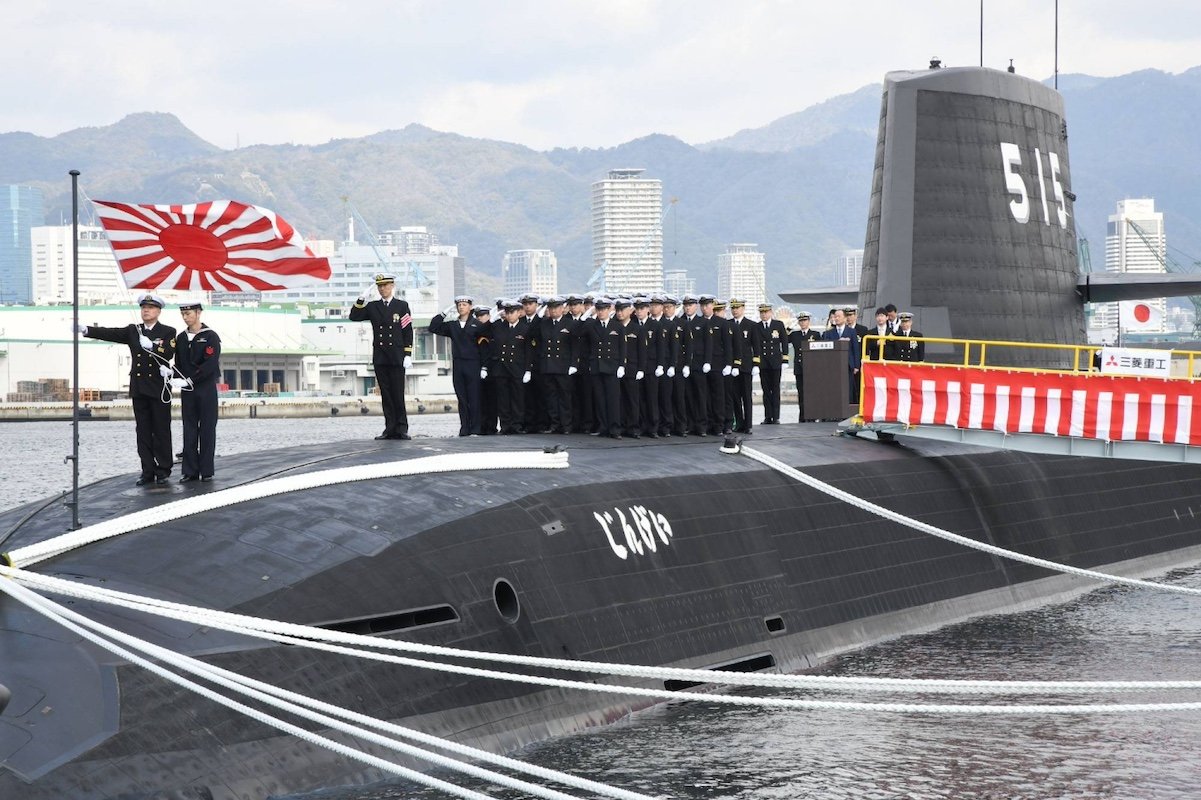
Japan's approach is one of resilience, not independence. It is financing ways to bypass the choke point while retaining substantial exposure to it. The crisis has also accelerated a broader shift in Tokyo's security posture, as seen in Japan's submarine hypersonic plan, which edges toward nuclear-capable deterrence. The energy package, combined with such defense moves, suggests Japan is building greater national capacity to manage strategic risk, even as it remains anchored to the US alliance.
The Hormuz crisis has made clear that Japan cannot rely solely on Washington to guarantee the security conditions its economy depends on. By developing financial, logistical, and diplomatic tools, Tokyo is positioning itself as a more capable—and more autonomous—security partner for the United States. The question now is whether these measures will be enough to weather the next disruption, or whether the strait's closure becomes a recurring test of Japan's resolve.