Two themes dominate Japan's elite thinking at present: a blend of awe and fear about the ambitions of Prime Minister Sanae Takaichi, and concerns about the US-Japan security alliance. Takaichi, who took office last October after winning her party's leadership race, led the Liberal Democratic Party (LDP) to a sweeping Lower House victory in February. Her novelty as Japan's first female prime minister and her non-dynastic background, coupled with a firm stance against China over Taiwan remarks, fueled her popularity.
Yet that landslide did not make her invulnerable. The LDP lacks a majority in the Upper House, which it cannot contest until 2028, but the win opened a window for change. Like Italy's Giorgia Meloni, Takaichi casts herself as an outsider, a tireless worker—she often boasts of surviving on three hours of sleep—and a clear communicator. But also like Meloni, she is no radical. Beneath her innovative veneer lies a deep nostalgia for Japan's postwar economic model.
The Return of METI's Heavy Hand
The most striking nostalgia is in economic policy. Rather than extending or refining "Abenomics," the three-arrow strategy of fiscal and monetary expansion plus structural reform championed by her mentor, the late Shinzo Abe, Takaichi's "Takanomics" resurrects an old-fashioned blend of industrial and fiscal policy on a grand scale. The Ministry of Economy, Trade and Industry (METI) is back as the central planner, coordinating a proposed ¥370 trillion (US$2.25 trillion) in public and private investment over 15 years across 17 strategic sectors. Its postwar predecessor, MITI, would be proud. Short-term fiscal adjustments with regular supplementary budgets are reportedly gone.
How this will be financed remains unclear. Jesper Koll, a veteran Tokyo-based economist, writes in his Japan Optimist Substack that of the ¥370 trillion, roughly 10% may come from on-balance-sheet government debt, 60% from private corporations and asset owners, and 30% from off-balance-sheet public-policy financiers like the Development Bank of Japan and Japan Investment Corporation—institutions that trace their roots to the Meiji era but were privatized by Prime Minister Koizumi in the early 2000s.
The 17 sectors include cutting-edge fields like AI, quantum computing, semiconductors, fusion energy, and defense, but also more mundane ones such as "the content industry" and "information and communications." The list feels inclusive to the point of diluting focus, as if the government feared stigmatizing any sector as non-strategic.
Can State Planning Pick Winners?
Doubts are reasonable. Japan's long-term growth has hovered below 1% annually for a decade, and an ageing, shrinking population will not reverse. The plan's real test is whether it can lift productivity growth enough to offset demographic drag. The ambition is impressive, but the method echoes the 1960s and 1970s—Japan's high-growth era—when conditions were vastly different.
Two consequences are nearly certain, as Koll notes. First, the expansionary plan is bound to be inflationary. Japan has already seen inflation exceed the Bank of Japan's 2% target and outpace nominal wage growth. Takaichi campaigned on keeping interest rates low, but if her plan is to work, the BOJ will need to raise rates to keep inflation at or below 2%.
Second, the cost of capital for both government and private sector will rise, driven by high demand for funds and inflation compensation. This could improve capital allocation and discipline—decades of ultra-low rates have kept many inefficient companies alive. But it will also strain the government budget as debt-servicing costs climb.
These tensions raise serious questions about the coherence of Takaichi's economic policy. While she pushes this ambitious fiscal-industrial plan, she also insists on cutting consumption taxes—a move that could undermine fiscal sustainability. The yen's recent slide has already exposed policy inconsistencies, as noted in this analysis of Takaichi's waning popularity.
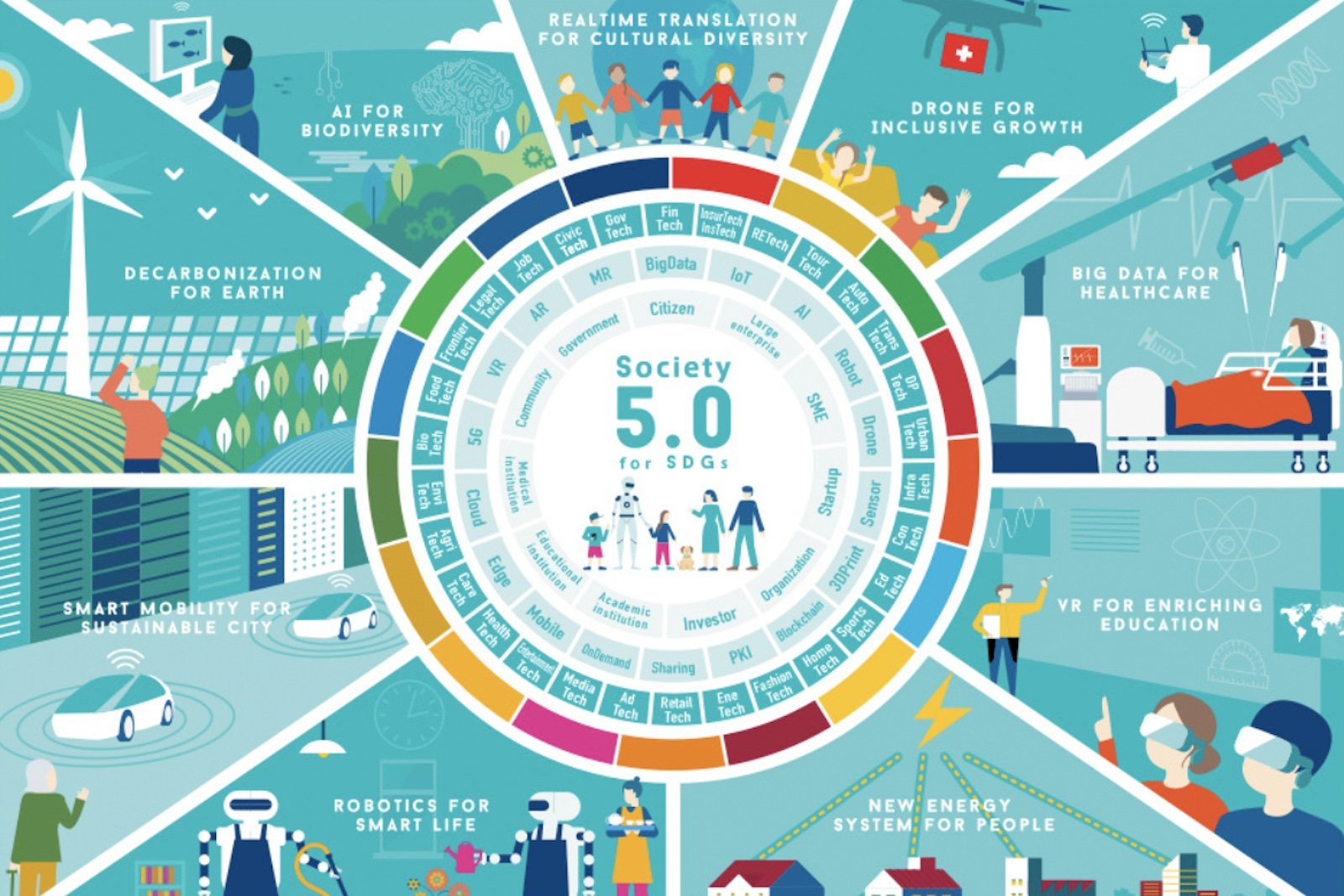
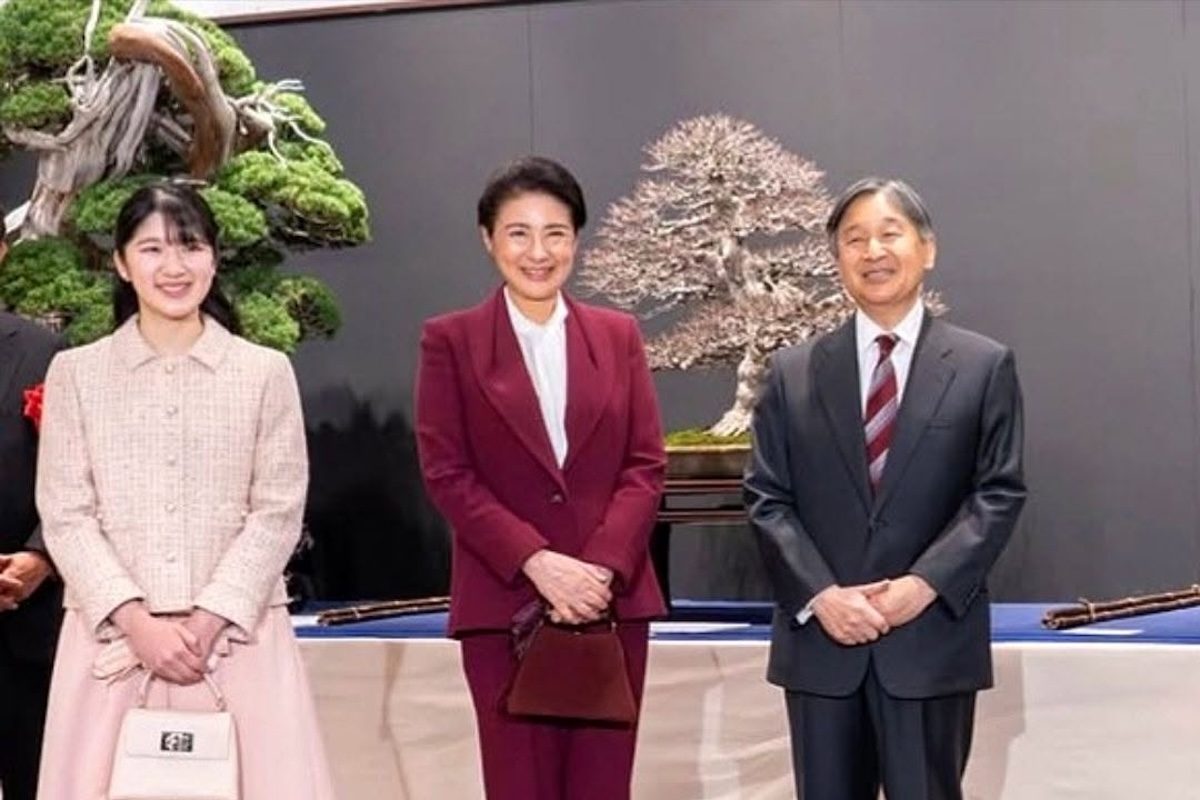
Beyond economics, Takaichi's nostalgia extends to social policy. Her government has pursued revisions to the imperial household law, allowing adoption from cadet branches to address succession concerns—a move steeped in tradition. Meanwhile, Japan's embrace of AI and robotics, as seen in the Society 5.0 vision, suggests a forward-looking streak, but the overall direction remains backward-looking.
The plan's success hinges on whether Japan can adapt its postwar playbook to a very different global and demographic reality. As Koll warns, avoiding the "Takaichi trap" means recognizing that nostalgia alone cannot secure Japan's future. The coming years will test whether Takaichi can reconcile her reverence for the past with the demands of a rapidly changing world.