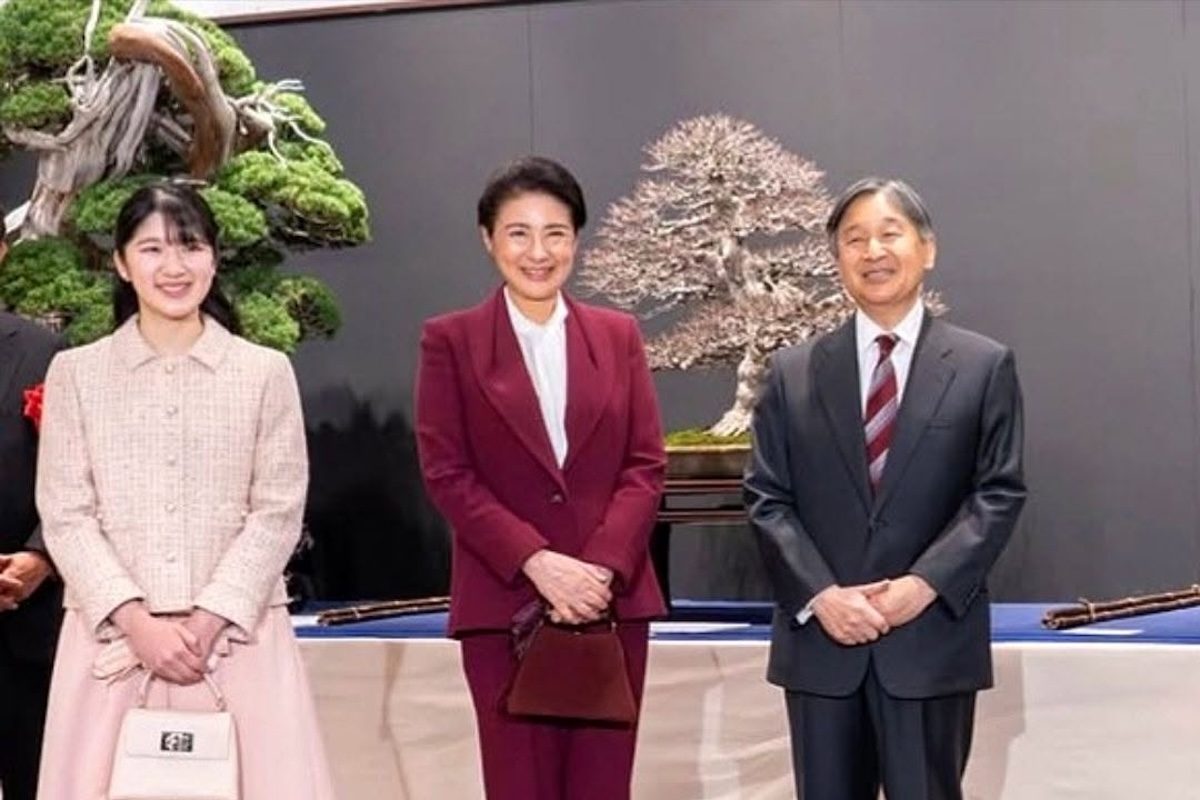
Japan's upper house of parliament passed a landmark revision to the Imperial Household Law on Friday, July 17, enabling the adoption of male descendants from former cadet branches of the imperial family. The legislation, a priority for Prime Minister Sanae Takaichi, is designed to address the shrinking size of the imperial household as members age and princesses marry and leave the family.
The bill permits the adoption of male children—at least 15 years old and without a spouse or children—from the former princely houses that were stripped of their imperial status in 1947 under the U.S. Occupation reforms. It also allows female royals to retain their membership in the imperial family after marriage, though only their male offspring can be included in the line of succession.
Legislative Maneuvering and Political Fallout
The passage of the bill was a clear victory for Takaichi, who described the moment as "deeply moving" after years of effort. However, the vote was far from unanimous, passing by a margin of 184 to 57 in the House of Councillors. The Constitutional Democratic Party (CDP) accused the ruling coalition of breaking a prior consensus by effectively smuggling succession-related provisions into the bill. The CDP argued that specifying that the sons of adoptees from the former cadet branches can be in the line of succession goes beyond the stated goal of merely ensuring enough members to perform imperial duties.
The emphasis on the former cadet branches reflects a conservative approach favored by those who seek to unwind reforms imposed during the U.S. Occupation. Critics contend that the revision sidesteps the more fundamental question of female succession, which remains unresolved and is left for future discussions.
The legislative session itself was extended by eight days, until July 25, to allow for debate on the ruling coalition's auxiliary capital bill, which would designate Osaka as a secondary capital. The extension was contentious, with even some Liberal Democratic Party (LDP) lawmakers expressing frustration at Takaichi's management of the Diet. Many within the LDP argued that if the prime minister had engaged more constructively with the opposition earlier, the extension would not have been necessary.
The atmosphere in the Diet was tense throughout the day. In addition to the Imperial Household Law vote, the upper house's budget committee held a testy hearing where Takaichi faced repeated questions on her handling of parliamentary business. Sanseito leader Sohei Kamiya even hinted at supporting a no-confidence motion against the prime minister. Meanwhile, the LDP and the Centrist Reform Alliance (CRA) agreed to hold a three-hour intensive session of the lower house budget committee on July 24, with Takaichi in attendance.
The auxiliary capital bill, co-sponsored by the LDP and Nippon Ishin no Kai, faces an uncertain path. With insufficient support in the upper house, its passage may require the lower house to override a potential rejection, a move that would further strain cross-party relations.
Japan's imperial succession debate has long been a sensitive political issue, intertwining constitutional tradition, gender equality, and national identity. The current revision does not alter the male-only succession rule, leaving the door open for future debates on whether to allow female monarchs or their descendants to inherit the Chrysanthemum Throne. For now, the focus remains on stabilizing the imperial family's numbers, a practical necessity as the household's public duties grow more demanding with an aging population.
The broader context of Japan's political landscape includes ongoing economic challenges, such as the yen's volatility and rising bond yields, which have drawn attention to the Bank of Japan's monetary policies. Meanwhile, Tokyo's strategic partnerships, including its deepening ties with India, continue to reshape Indo-Pacific security dynamics. The Imperial Household Law revision, while a domestic matter, reflects Japan's careful navigation of tradition and modernity in a rapidly changing region.