In 2023, the International Energy Agency (IEA) projected that by 2028 the world would be awash in oil, with producers pumping more than consumers wanted. That forecast, echoed by other institutions, helped keep prices low and discouraged investment in new wells and refineries. But no one predicted that the Strait of Hormuz—the narrow waterway through which about a fifth of global oil passes—would be nearly shut by conflict.
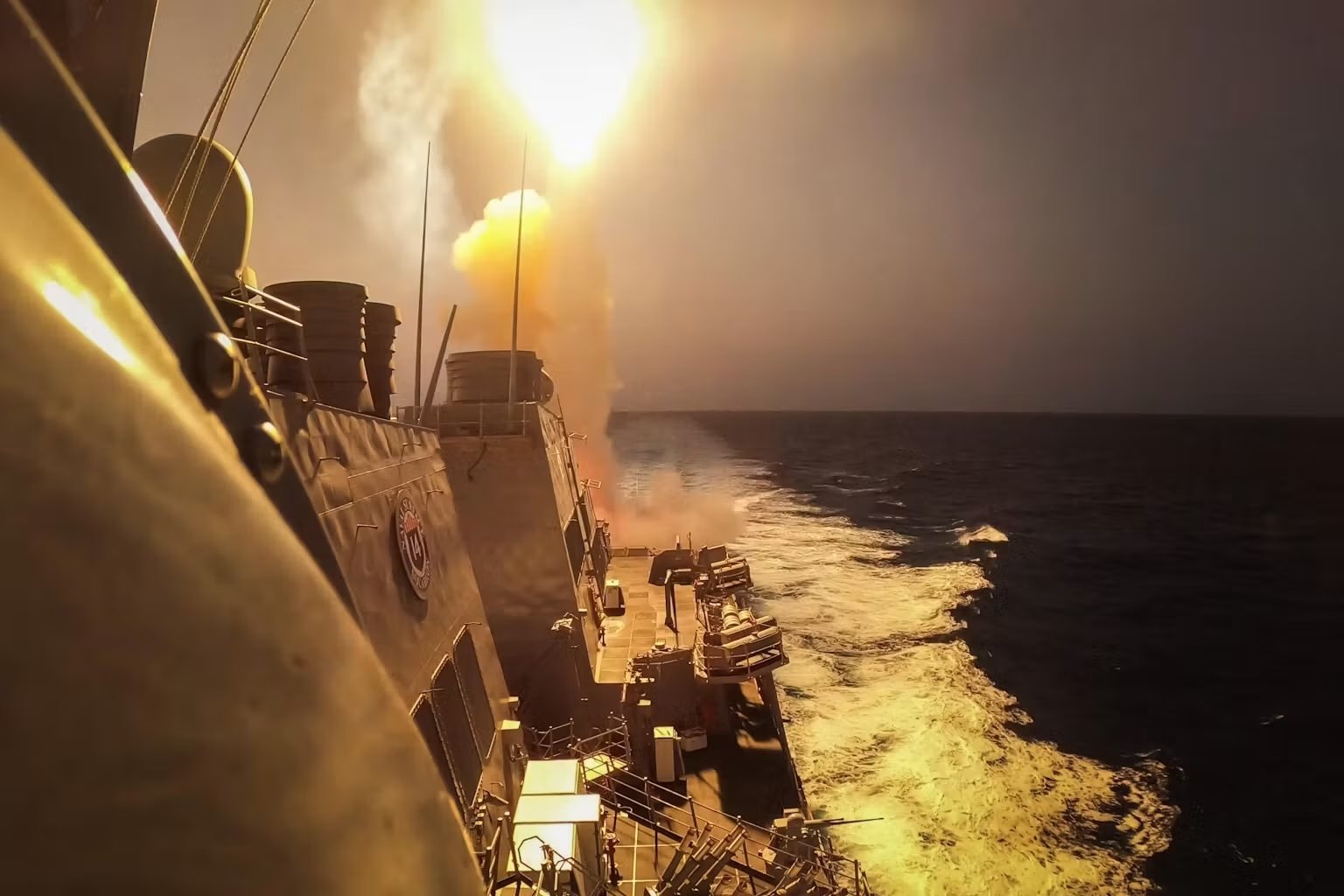
In March 2026, after US and Israeli strikes on Iran, the strait was effectively closed. The world’s economy, which runs on the steady flow of Middle Eastern crude and liquefied natural gas, was caught unprepared. Strategic reserves were released in a coordinated effort, but they only delayed the inevitable. And replenishing those reserves will itself add to future demand, a paradox that underscores the fragility of the system.
Forecasts that missed the mark
Energy forecasts are not just academic exercises; they guide billions of dollars in investment. Companies, banks, and governments rely on them to decide whether to drill, build refineries, or lay pipelines. But as my colleague Hiroyasu Sakaguchi of the Institute of Energy Economics, Japan, and I warned in a report for the Trilateral Energy Security Committee—which promotes cooperation among the US, Japan, and South Korea—even in times of apparent oversupply, the buffer against disruption is dangerously thin.
The mismatch between today’s supply and demand has roots in spreadsheets created years ago. It takes about two decades to move from exploring a new field to shipping petroleum. Forecasters start with current energy use and make assumptions about economic growth, technology adoption, and policy. The range of outcomes is staggering: for 2035, projections vary from 89.4 million to 116.6 million barrels per day—a difference of 27.2 million barrels, roughly a quarter of current global consumption.
Short-term forecasts are usually reliable, but the further out they look, the more they resemble weather predictions. In the early 2000s, experts feared peak oil; then fracking unlocked vast US shale reserves, and production soared from 5 million barrels a day in 2008 to 13.6 million by 2025. In 2022, the IEA saw demand peaking in the mid-2030s; a year later, it moved that peak to before 2030, citing electric vehicle adoption. By 2025, under pressure from Washington and others, the agency revived a scenario where demand keeps rising to 2050, driven by AI data centers and green tech.
Human behavior is hard to predict. Norway, where nine in ten new cars are electric, saw road fuel use fall only 10% because trucks and buses still run on diesel. China, with over half of new car sales electric, uses more gasoline than before 2020. In the US, EV sales have stalled after a federal tax credit expired, and while high pump prices have made drivers more open to electric cars, the upfront cost remains a barrier.
Asia bears the brunt
For Asia, the crisis is acute. Japan, South Korea, and India import most of their oil from the Middle East. The closure of Hormuz has forced them to seek alternative routes and suppliers, but options are limited. Japan is now taking charge of its energy security, accelerating plans for strategic reserves and diversification. The Houthi campaign in the Red Sea has already tightened the squeeze on Asia’s energy lifelines, and the Hormuz closure has compounded the problem.
The crisis has also highlighted the limits of pipeline bypasses. Asia’s energy security cannot rely on bypass pipelines alone; they are costly, politically fraught, and take years to build. Meanwhile, decentralized energy is gaining ground as grids strain under the pressure, but it cannot replace oil overnight.
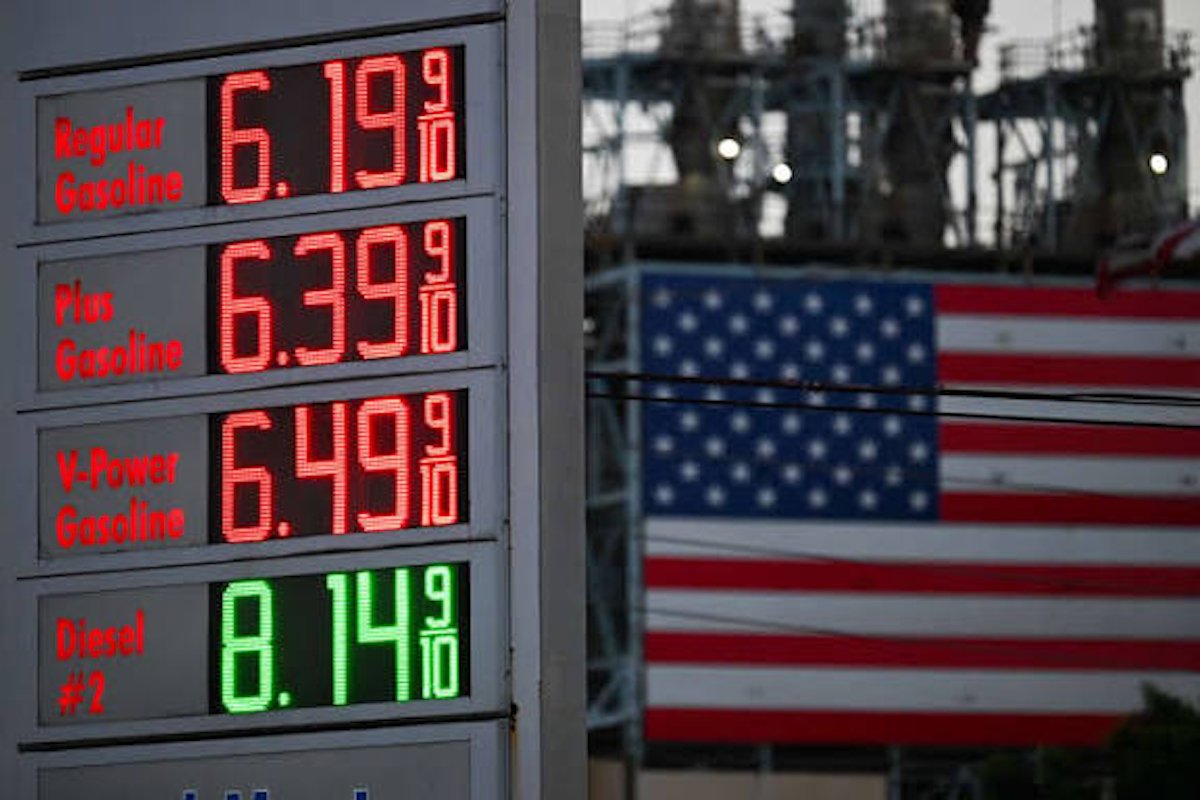
As fuel prices climb, the ripple effects are felt across the region: fertilizer, food, and consumer goods all become pricier. The IEA’s 2023 prediction of a surplus now seems like a cruel joke. The world, and Asia in particular, is learning that energy security is not about having too much oil, but about being prepared for when the taps run dry.