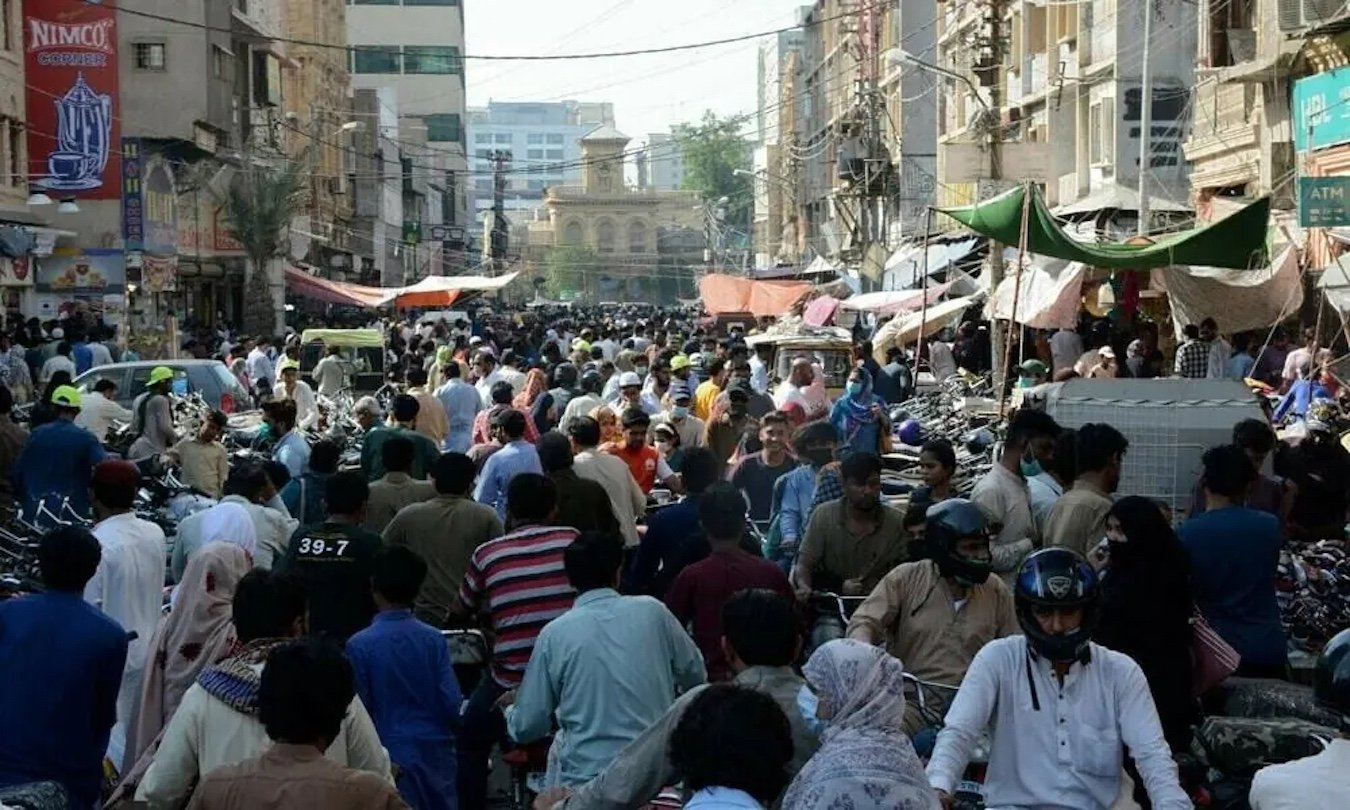
Asia and the Pacific is urbanizing at an unprecedented pace. By 2050, the region's cities will be home to 3.4 billion people, up from 2.2 billion today – the equivalent of adding roughly two Delhi-sized metropolises every year. How this expansion is managed will shape not only skylines but the very fabric of societies across the Indo-Pacific.
The gleaming towers rising from Bangkok to Jakarta reflect real economic dynamism. Yet beneath these facades, deep inequality is entrenching. Nearly 700 million urban residents in the region live in slums or informal settlements, and over 65 percent of urban workers are in informal employment. Meanwhile, 2.3 billion people breathe unsafe air, waste management is overwhelmed, and climate risks are escalating.
These pressures hit hardest those already marginalized: migrants, persons with disabilities, low-income households headed by women, older adults, and youth without steady income. Unequal cities are fragile cities. When shocks occur – whether economic, geopolitical, or environmental – the most vulnerable are pushed deeper into poverty, slowing recovery for everyone and eroding trust in institutions.
Recent global tensions have underscored this vulnerability. The conflict in the Middle East, for example, has driven up energy and food prices, disrupted supply chains, and reduced remittances across Asia. According to UNDP estimates, economic losses in the region could range from US$97 to US$299 billion, with 8.8 million people at risk of falling into poverty. Inflation disproportionately affects low-income households, and those in insecure jobs are often the first to lose their livelihoods.
But this trajectory is not inevitable. Well-governed cities can be engines of inclusive growth. The 2026 Asia-Pacific SDG Partnership Report highlights practical strategies that improve housing, basic services, jobs, and environmental management through connected approaches supported by policy, investment, and implementation capacity.
Community-Led Solutions Show the Way
In Thailand, a housing program spanning 75 provinces combines government planning with community-led action. Low-income families gain secure land tenure, better housing, essential services, and livelihood support. Local ownership has proven critical to its effectiveness and sustainability.
In Mongolia, communities and local authorities in Ulaanbaatar's ger districts are collaborating on flood resilience. Initiatives integrating climate-informed urban planning, green infrastructure, and cleaner energy aim to reduce environmental risks and improve living conditions for residents most exposed to flooding and air pollution.
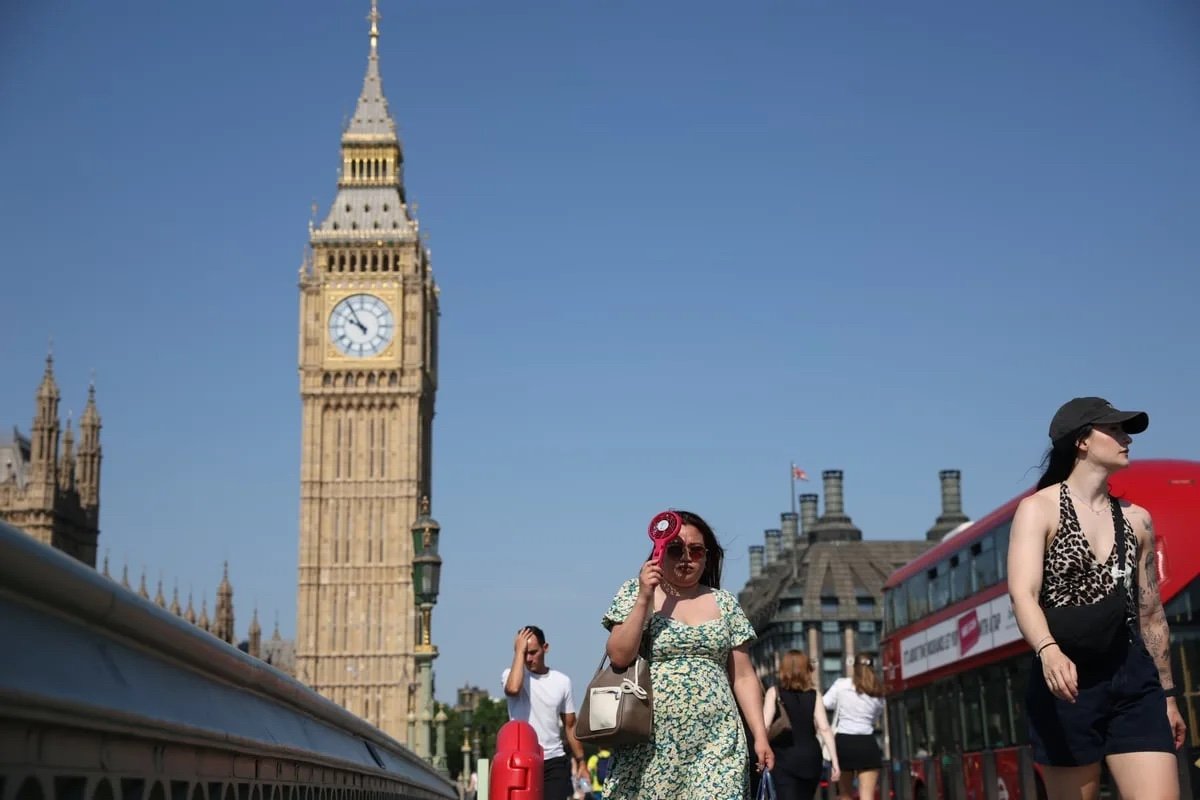
In India, women in informal employment are receiving support to cope with rising temperatures through early warning systems, protective equipment, and microinsurance that provides payouts during extreme heat events, offsetting lost income. These examples demonstrate that placing vulnerable communities at the center of urban planning yields tangible results.
However, isolated successes are not enough. The scale of urban inequality across Asia demands bolder action. Technology and innovative policy can bridge the gap. Connected data systems and digital monitoring tools can identify and support those most at risk. Innovative financing mechanisms and stronger private-sector partnerships can extend services to underserved populations.
Policy and investment choices made today will determine whether the region's growing urban population can live safely, work productively, and withstand shocks. As global experience shows, the most livable cities are safer, cleaner, and offer opportunities for all. By prioritizing the needs of the vulnerable, Asian cities can be defined not just by their stunning skylines but by the quality of life they deliver.
For more on how regional dynamics affect urban resilience, see the race between US and Chinese industrial capacity and Australia's experience with economic coercion.