Rare earth elements are the quiet workhorses of modern technology. A smartphone vibrates because a tiny magnet moves a weight; its screen is polished with cerium powder; its data travels across oceans through cables amplified by erbium. Even your car's steering and exhaust system rely on these 17 metals. Yet despite their name, they are not rare in the Earth's crust—cerium is as common as copper. The real challenge lies in separating them from ore and from each other, a complex, energy-intensive process that few nations have mastered.
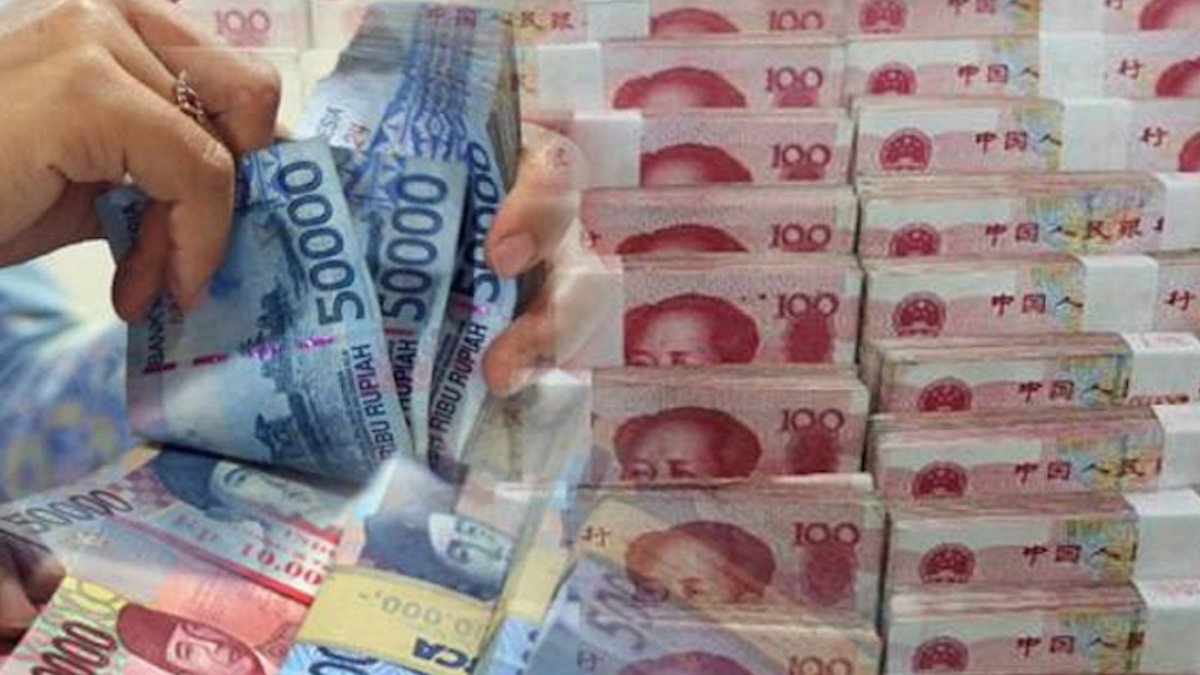
That processing bottleneck has given China extraordinary leverage. Beijing now handles about 91% of global rare earth refining, even though it mines only about 60% of the world's supply. The United States, which once led the world in rare earth production, now imports more than two-thirds of what it uses. This dependence is not just an economic inconvenience; it is a strategic vulnerability that Washington has spent decades ignoring.
How the US lost its edge
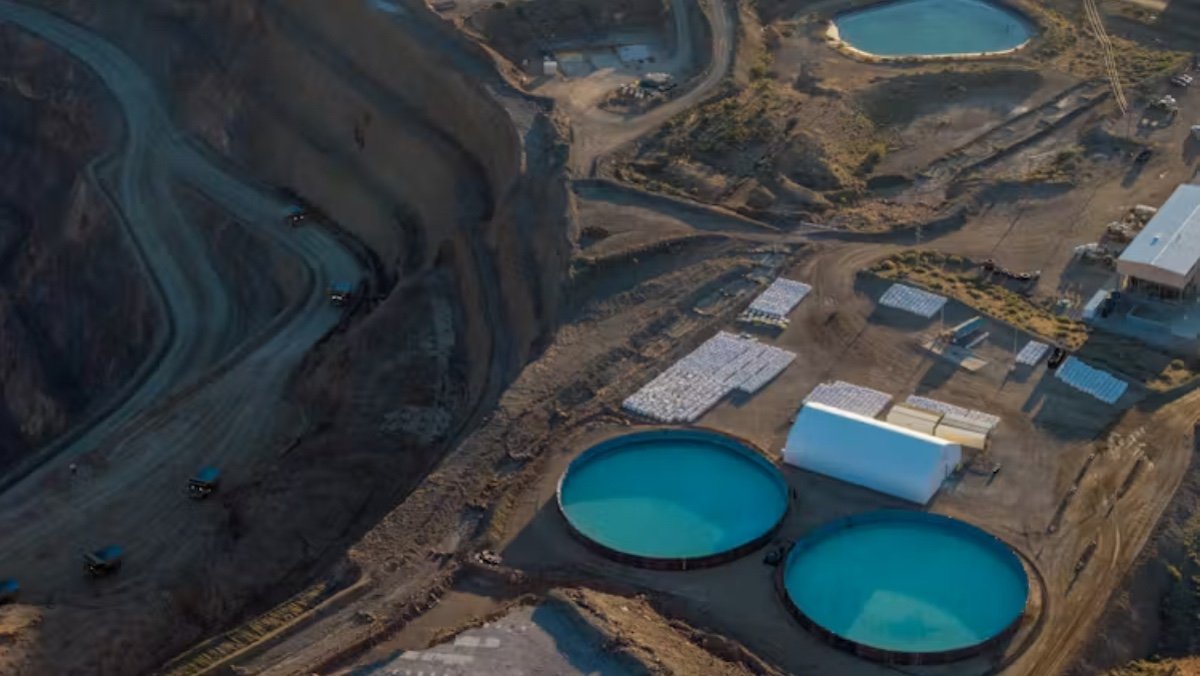
California's Mountain Pass mine was the world's leading rare earth producer until the late 1980s. But a series of radioactive wastewater spills into the Mojave Desert made continued operation politically and environmentally untenable. When China expanded its own mining and began selling processed materials at below-cost prices, the economic logic of switching suppliers was irresistible. Mountain Pass's separation plant closed in 1998, and the mine itself shut down in 2002. MP Materials restarted mining there in 2017, but the US still lacks a full domestic supply chain.
The consequences are stark. The US military's F-35 fighter jets and Virginia-class submarines depend on rare earth magnets and electronics that trace back to Chinese processing. In 2025, China demonstrated its leverage by imposing export controls on rare earths and related technology, then suspending them until November 10, 2026, in exchange for Washington pausing its "affiliates rule." The suspension is temporary, and Beijing can reinstate the controls at any time.
This is not a new problem. The US Government Accountability Office warned in 2010 that rebuilding a domestic rare earth supply chain—from mining to separation to magnet manufacturing—would take up to 15 years. That estimate has proven optimistic. China has thousands of experienced engineers; the US has a handful. The most advanced separation technologies were developed in China, and Beijing banned their export in December 2023.
Washington has committed more than $7 billion since April 2025 to revive domestic production. The Pentagon bought $400 million in preferred stock in MP Materials, giving it a 15% stake. The Commerce Department signed a letter of intent in 2026 to provide $277 million in direct funding and a $1.3 billion loan to USA Rare Earth for facilities in Texas and Oklahoma. But these efforts are years away from bearing fruit. MP Materials expects its next magnet plant to begin testing equipment only in 2028.
Meanwhile, the export controls have already caused real-world disruptions. Ford had to idle its Chicago assembly plant for a week in May 2025 because it could not obtain magnets for speakers and electric motors. CEO Jim Farley described the supply as "day to day," with no alternate source. Production resumed only after Beijing granted approval.
China's control over rare earths is a classic example of how a country can turn a technical advantage into geopolitical power. As Theodore Roosevelt might have said, it is a very big stick. The US is now scrambling to rebuild what it gave away, but the road is long and the costs are high. The question is whether Washington can regain its footing before Beijing decides to use its leverage again.
For a deeper look at how China's technological ambitions are reshaping global power dynamics, see China's research rise and the F-35 deal's China concerns.